


Tehran:
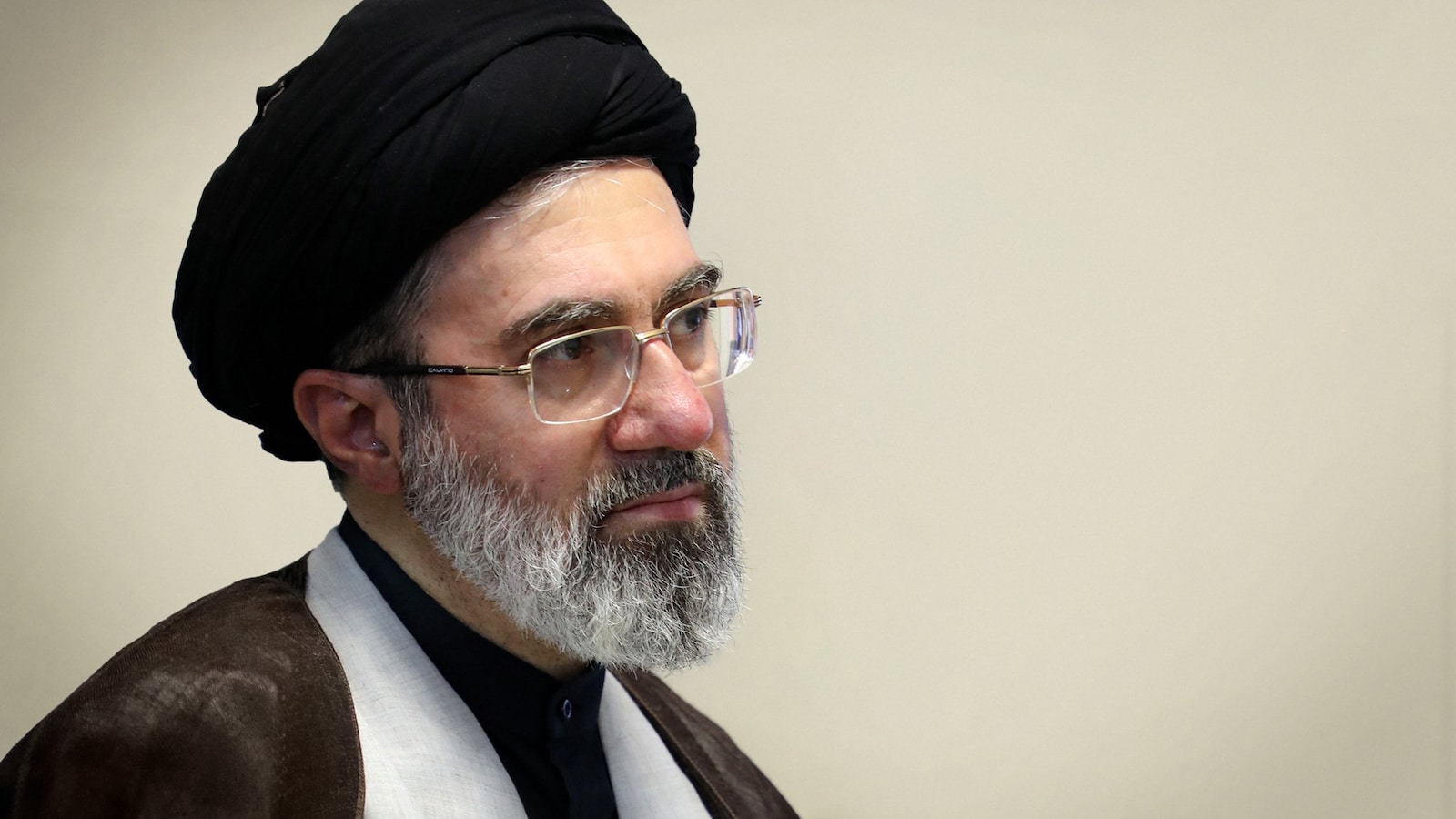
When Ali Khamenei, Iran’s supreme leader for 37 years, was assassinated in an Israeli strike on February 28, it created a vacuum at the top and changed the power corridors of Tehran. His son, Mojtaba Khamenei, was appointed his successor, but reports have suggested that the 56-year-old cleric does not wield the same level of influence as his father did.
Instead, a small, elite band of men in senior positions, most of whom are current or former senior Islamic Revolutionary Guards Corps (IRGC) commanders, are guiding decision-making in Iran, according to a New York Times (NYT) report.
“Senior Iranian officials maintain that all key matters are run by the 56-year-old heir. Decision making, however, extends beyond one man,” the report said, adding that a “hardened band of brothers” whose “seminal experience was the brutal, eight-year war between Iran and Iraq that began in 1980.”
ALSO READ: Iran Executes Two Men Over Armed Rebellion Charges, Links To ‘Separatists’
‘The Band Of Brotherhood’
Founded in 1979 to protect the Islamic revolution and its leader, the Guards promoted some of these commanders to the rank of general while they were still in their late 20s or early 30s.
The West’s support for Iraq in the war convinced Tehran that Iran had to forge its own way, no matter the cost. After the war with Iraq was over, these commanders went on to control intelligence or security services.
Now, some of these men, who had some personal connection with Mojtaba Khamenei from the long years that he directed his father’s office, are running Iran.
“These men are among the hardest-line figures in the country — militants not only in terms of perpetuating the Islamic revolution, but also in the harsh methods they have championed while running the main organs of government repression,” the NYT report said.
ALSO READ: Iran Executes Two Men Over Armed Rebellion Charges, Links To ‘Separatists’
Experts point out that their shared backgrounds, careers and ideological outlook are the reasons why neither the war nor the collapse of the government and assassinations of around 50 top political and military leaders could paralyse Tehran.
How these leaders operate and share power remains largely opaque. Some have been out of the limelight long before the war started, and now remain hidden out of fear of being targeted. But now, they have joined forces and become “a brotherhood running the country,” Saeid Golkar, a Guards expert who is a political science professor at the University of Tennessee at Chattanooga,, told NYT.
“They had information and intelligence, they had a lot of information about how the system works, about the opposition, about reformists, even about hard-liners,” he said.
“They survey, they control, they spy on each other. Because of that dominance over intelligence, they gradually became dominant in almost any aspect of politics in Iran.”
ALSO READ: With Direct Line To Mojtaba, This General Is New Key Player In Iran Talks
Most Powerful Figures In Iran Today
Mohammad-Bagher
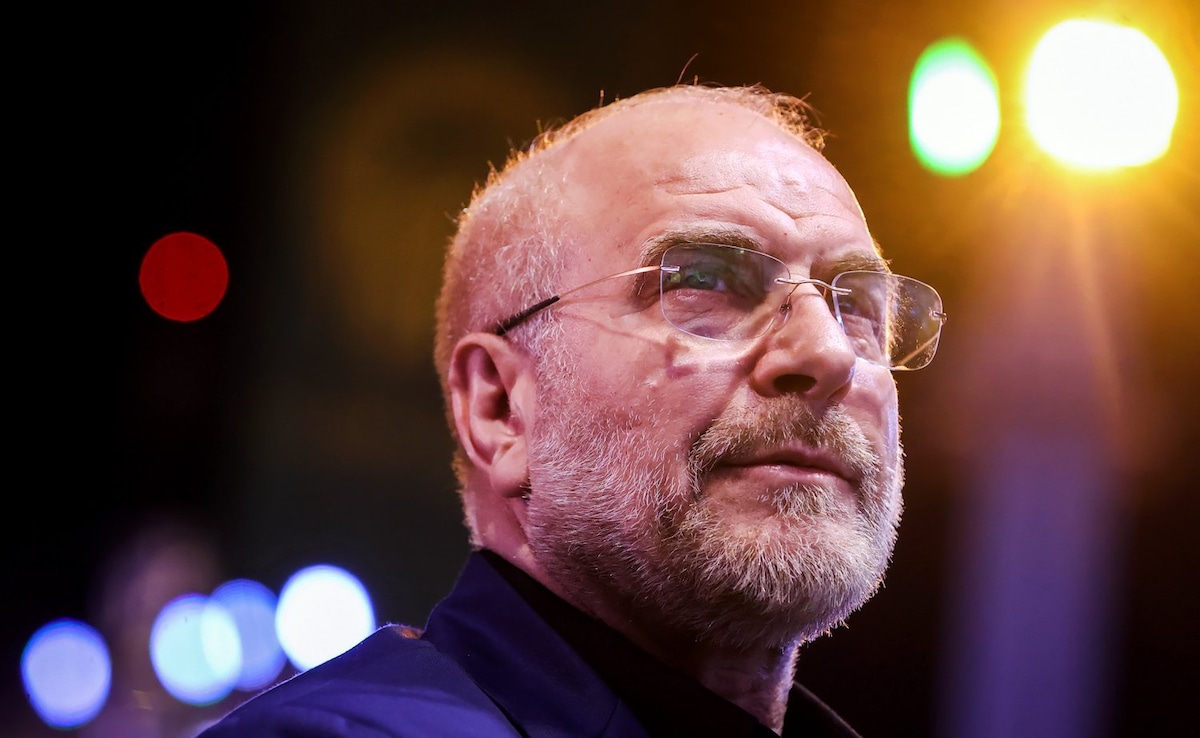
Photo Credit: Ghalibaf/X
The 64-year-old speaker of the Iranian Parliament, Ghalibaf, has served as the Guards’ air force commander, chief of the national police, and the mayor of Tehran and is now leading the Iranian negotiators in talks with the United States. He once boasted that during anti-government demonstrations in 1999, he had beaten protesters with sticks, riding on the back of a motorcycle like an ordinary militiaman.
Today, he acts as a bridge between the political and military elite. Some detractors reportedly suspect that he is seeking a peace deal that will make him an Iranian strongman.
Mohammad Bagher Zolghadr
Zolghadr, 72, is a prime example of what analysts call the fusion of the military into the political class. The hard-liner was a deputy commander of the Guards and a former deputy interior minister. He was appointed secretary of the Supreme National Security Council in March, replacing Ali Larijani after he was killed in an Israeli strike. In his new position, he ensures that the government’s political, military, security and judicial arms all operate in tandem.
Ahmad Vahidi
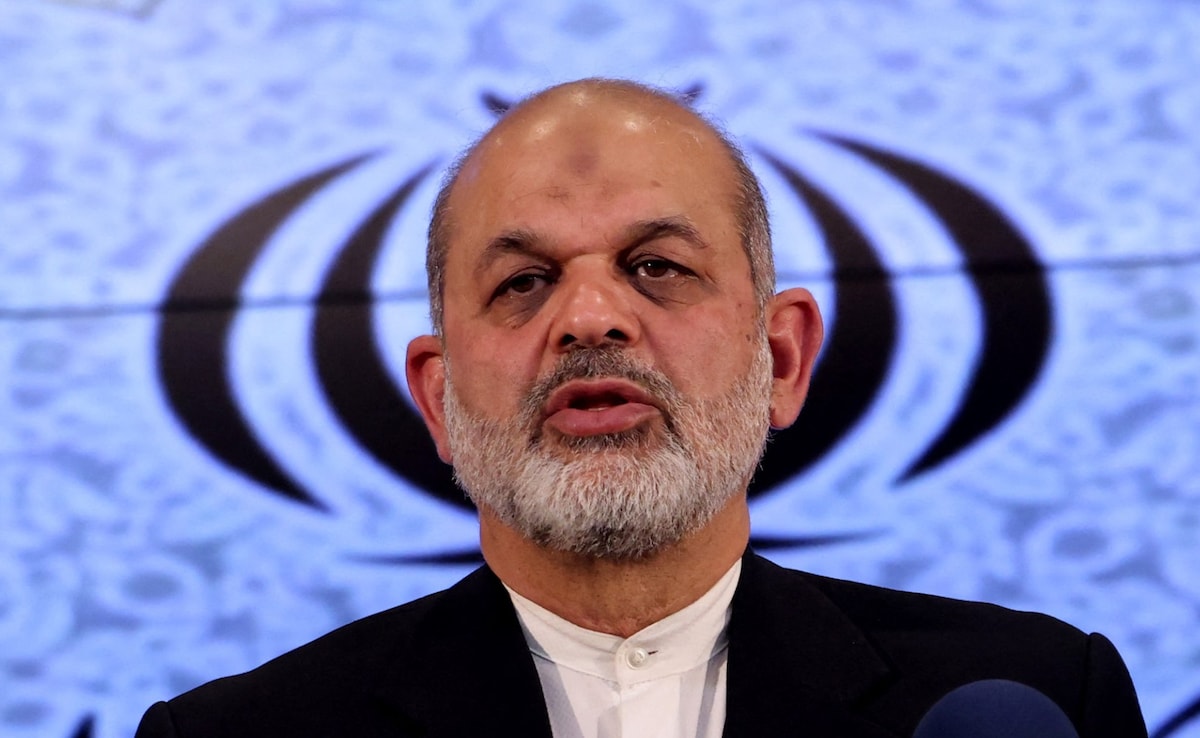
Photo Credit: AFP
Vahidi, 67, is a former intelligence officer who took over the Guards in March after US-Israeli Strikes killed his predecessor. A decorated general, he previously served as both Iran’s defence minister and the interior minister.
Vahidi gained prominence in 1988 when he took over as the first commander of the Quds Force, which built proxy regional militias like Hezbollah in Lebanon. Under his watch, attacks included the bombing of a Jewish community centre in Buenos Aires in 1994 and a truck bomb targeting a US Air Force barracks in Dhahran, Saudi Arabia, in 1996. Iran has repeatedly denied involvement in both attacks.
Mohammad Ali Jafari
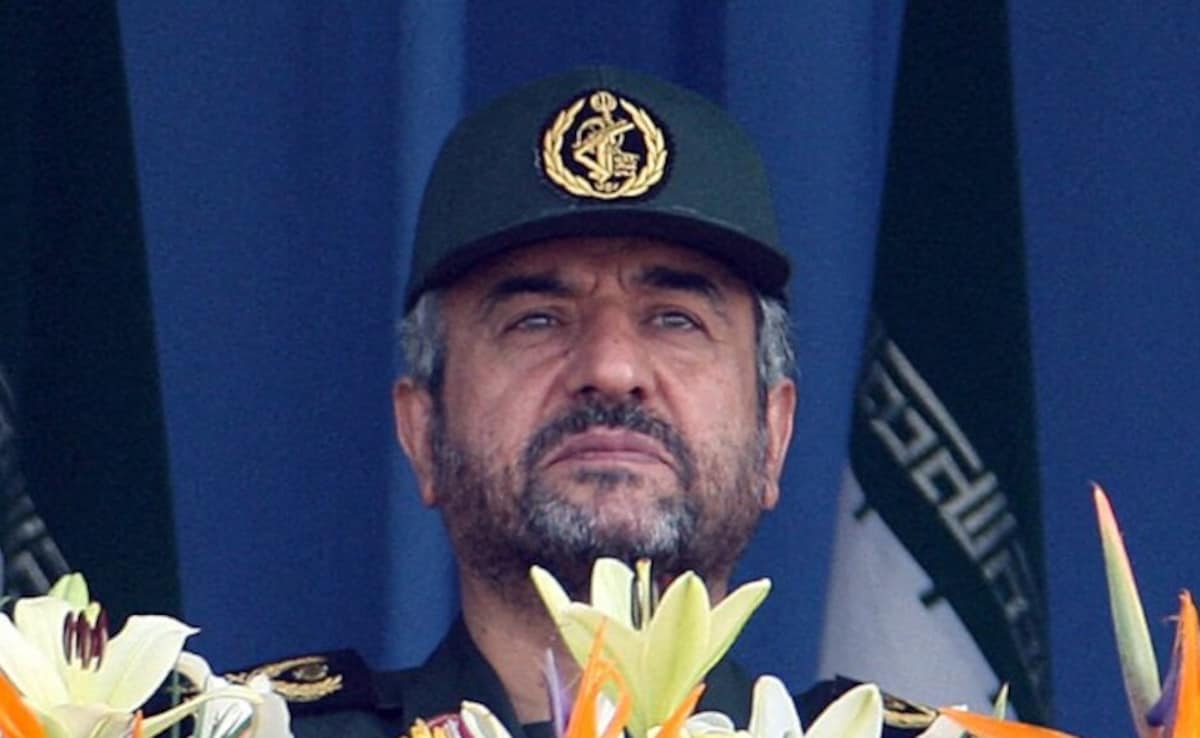
The 68-year-old two-star general was a military adviser to the former supreme leader. He has no official role now, but Jafari had one of the longest tenures as the commander of the Guards from 2007 to 2019.
Known as Aziz, Jafari is credited with developing the “mosaic strategy” of decentralised command, which enabled the force to continue fighting in the current war even as many key commanders were killed. He also played a central role in creating the regional proxy forces confronting Israel.
Gholam-Hossein Mohseni-Ejei
The 69-year-old Mohseni-Ejei has been the head of Iran’s judiciary since 2021. He has a reputation as a “hanging judge” who has used courts to throttle dissent, including a torrent of recent executions of participants in anti-government protests early this year.
Mohseni-Ejei has been a target of sanctions by both the United States and the European Union.
Hossein Taeb
Taeb, a 63-year-old Shiite Muslim cleric, once ran Iran’s brutal Basij militia and government counterintelligence operations before heading the Guards’ own intelligence organisation from 2009 to 2022. Notorious for crushing dissent, he remains a central figure in Iran even today, despite losing the top intelligence post in 2022 after a fallout over Israel wreaking havoc on the country’s nuclear programme. Per the NYT report, he is believed to be close to Mojtaba Khamenei, having served in the same prestigious Habib Battalion of the Guards during the Iran-Iraq war.



