


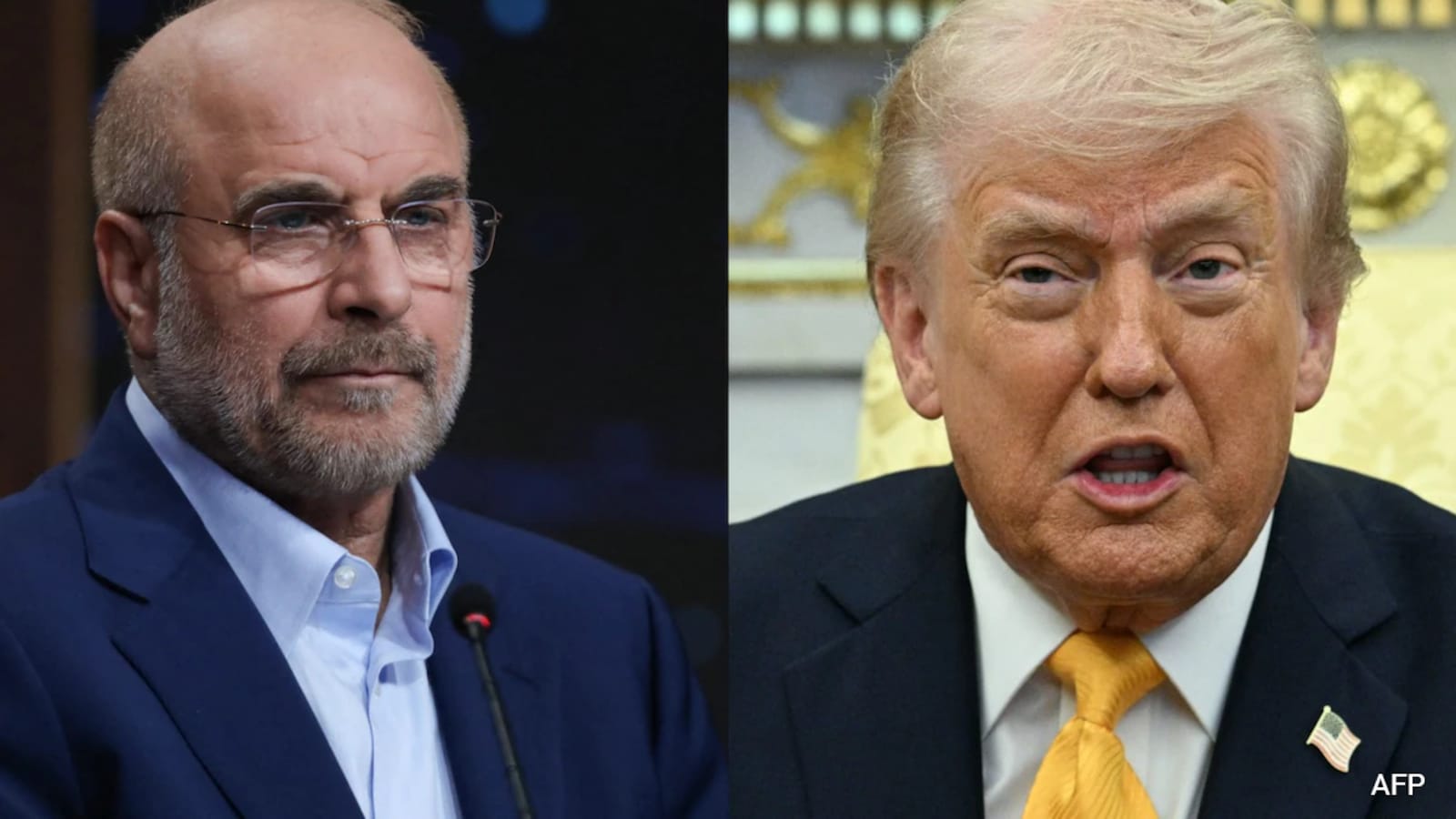

















Pakistan and Qatar have dispatched envoys to Iran, officials and diplomats said on Friday, as mediators intensified efforts to prevent a monthlong cease-fire between Washington and Tehran from collapsing.
Pakistan’s army chief, Field Marshal Syed Asim Munir, who has played a central role in his country’s mediation efforts, led a delegation, according to two Pakistani security officials, who spoke on condition of anonymity to discuss ongoing diplomatic discussions.
The army chief’s visit on Friday appeared to signal that diplomatic efforts were picking up speed amid looming fears of a return to outright war. It remained unclear, however, whether an agreement was within reach, with both sides deadlocked for weeks over Iran’s nuclear program and control of the Strait of Hormuz.
Qatar also sent a team of officials to Iran to help broker an agreement between Washington and Tehran, according to two diplomats with knowledge of the mediation efforts. It was unclear when the Qatari delegation traveled to Tehran. The officials spoke on condition of anonymity to discuss sensitive details.
The decision to dispatch the Qatari team, which was reported by Reuters, was made in coordination with the United States, the diplomats added. Qatar has previously played a key role as a back channel with Iranian officials, including helping broker a cease-fire last year between Israel and Iran.
The shuttle diplomacy has unfolded under mounting pressure from President Trump, who said this week that he had postponed a “very major attack” against Iran after Gulf leaders asked for more time to pursue an agreement over Iran’s nuclear program.
U.S. officials have voiced cautious hope about the potential of a deal, but warned that diplomacy remained fragile. On Friday, Secretary of State Marco Rubio said that there had been “slight progress” in the negotiations, but signaled there was still much work to be done.
“There’s some good signs,” he said a day earlier. “I don’t want to be overly optimistic as well. So let’s see what happens over the next few days.”
Iran’s foreign ministry spokesman, Esmaeil Baghaei, said this week that Tehran had received Washington’s latest responses and was reviewing them. Pakistan’s interior minister, Mohsin Naqvi, also met with Iranian leaders during two trips in less than a week.
As Mr. Trump and his administration alternated between expressing optimism and threats, Iran appeared to be tightening its grip on the Strait of Hormuz, a critical route for global shipments of oil and gas and one of the conflict’s central pressure points. Iran has tried to blockade the waterway since the early days of the war, throttling maritime traffic and rattling global energy markets.
Iran has been in talks with Oman on a potential system to charge fees for vessels passing through the strait, an idea that would allow Tehran to maintain leverage over the waterway.
Mr. Rubio said on Thursday that any Iranian move to require vessels to pay tolls “would make a diplomatic deal unfeasible.”
Leily Nikounazar, Salman Masood and Ismaeel Naar contributed reporting.



