






















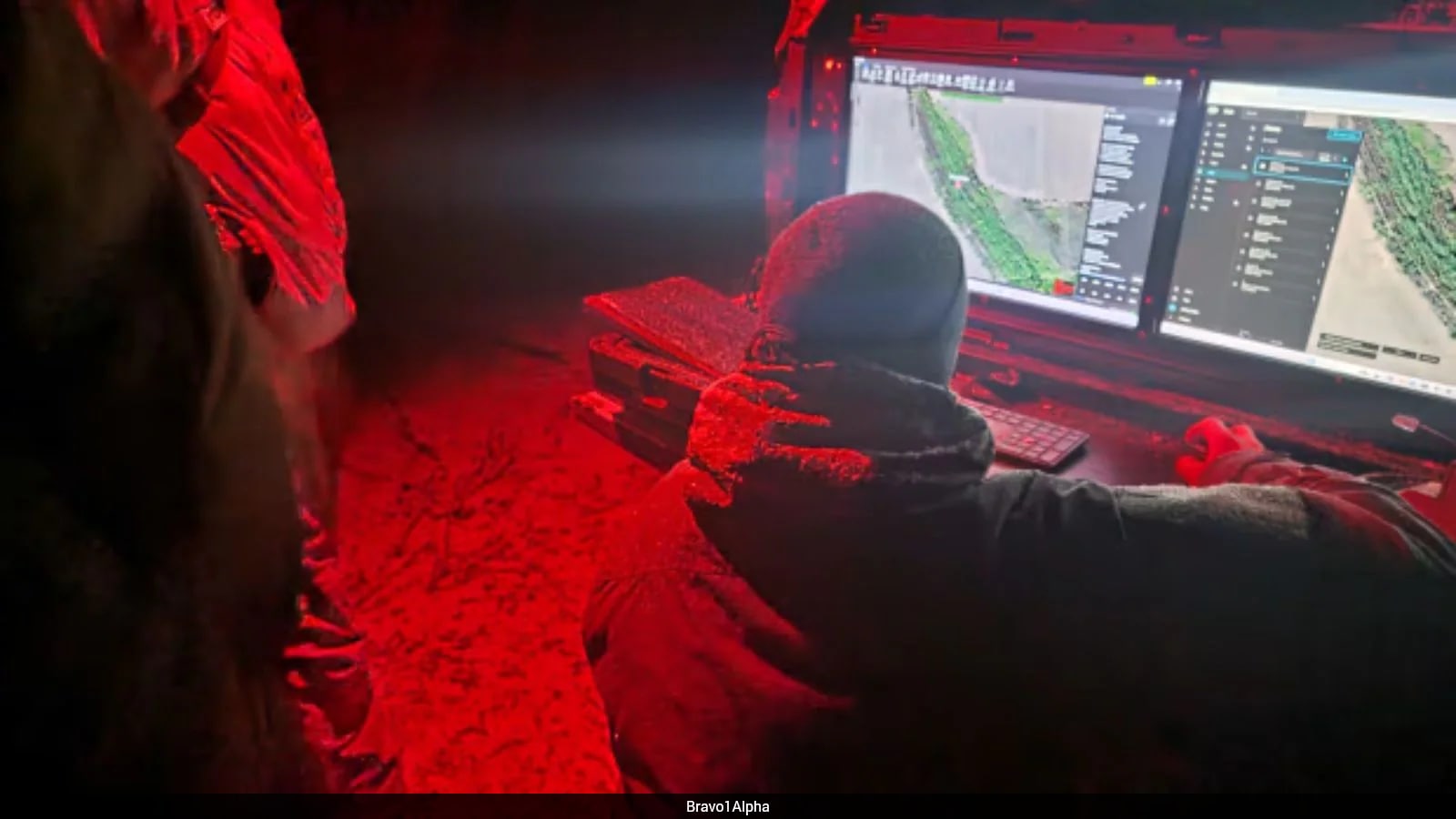
A software sends real-time satellite images to the soldier’s device, artificial intelligence alerts if something out of the ordinary can be seen and 3D simulations then guide the military unit design a flight path for a drone to hit a Russian target – all in a matter of hours.
What required weeks of information assimilation and planning is now reduced to hours, Wall Street Journal reported, sharpening Ukraine’s response in its war against Russia that has entered its fifth year and has left troops weary and looking for an edge every now and then.
Take the example of a Ukrainian unit’s strike on a building that was likely a meeting point for planning operations. A reconnaissance drone could not see much through trees surrounding, but high-definition, near-real-time images delivered to the team’s gadgets changed the game. Satellite sensors, the report stated, revealed thick metal frames of armoured vehicles. An attack drone was dispatched to strike the building.
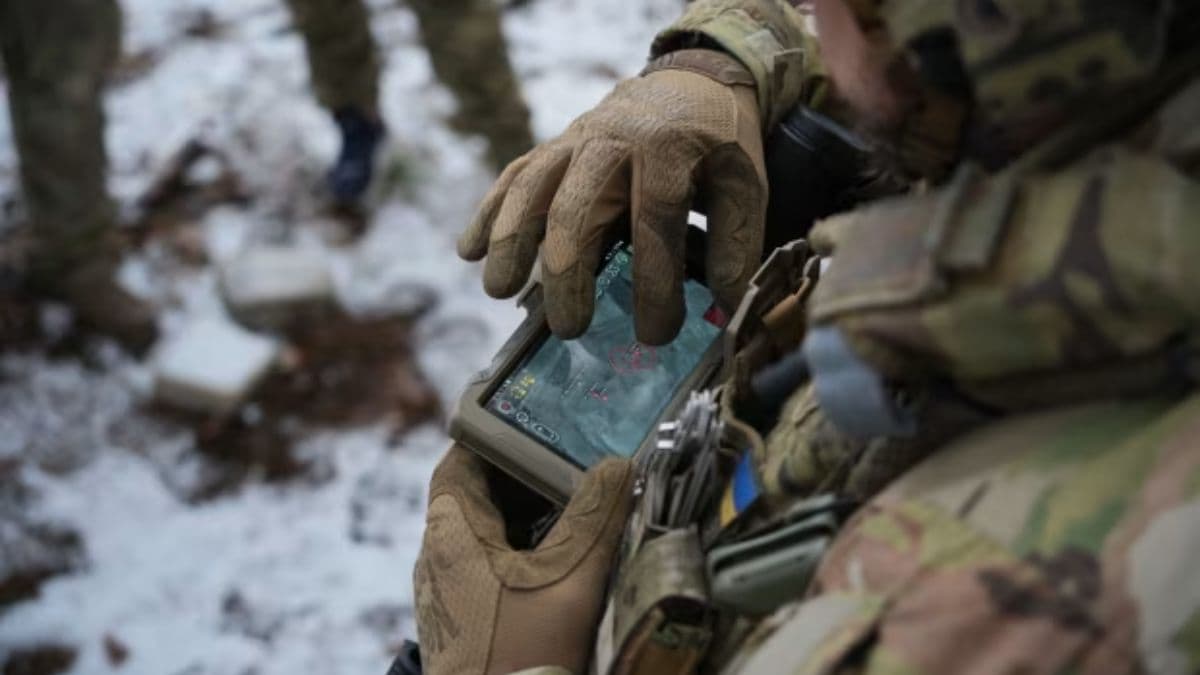
Photo Credit: Bravo1Alpha
The advantages of using this technology and imagery provided by Colorado-based Vantor extend beyond the precision of Ukraine’s attacks. The rapid delivery of visuals has reduced the time to locate and strike Russian assets by almost 90 per cent, with a little help from software to investigate targets in detail, per the report. The report cited a Ukrainian fighter who said gathering information of targets from human sources takes at least two days of centralised review time, by which time the information might be stale.
But more importantly, money and lives are saved. The strikes don’t have to rely on expensive surveillance drones, which can easily be shot down by the adversary. The satellites deployed would earlier monitor illegal fishing and update Google Maps and now hold the promise of improving mid-range strikes on Russia’s air defences, warehouses and military hubs. And every such destroyed facility translates to saved lives.
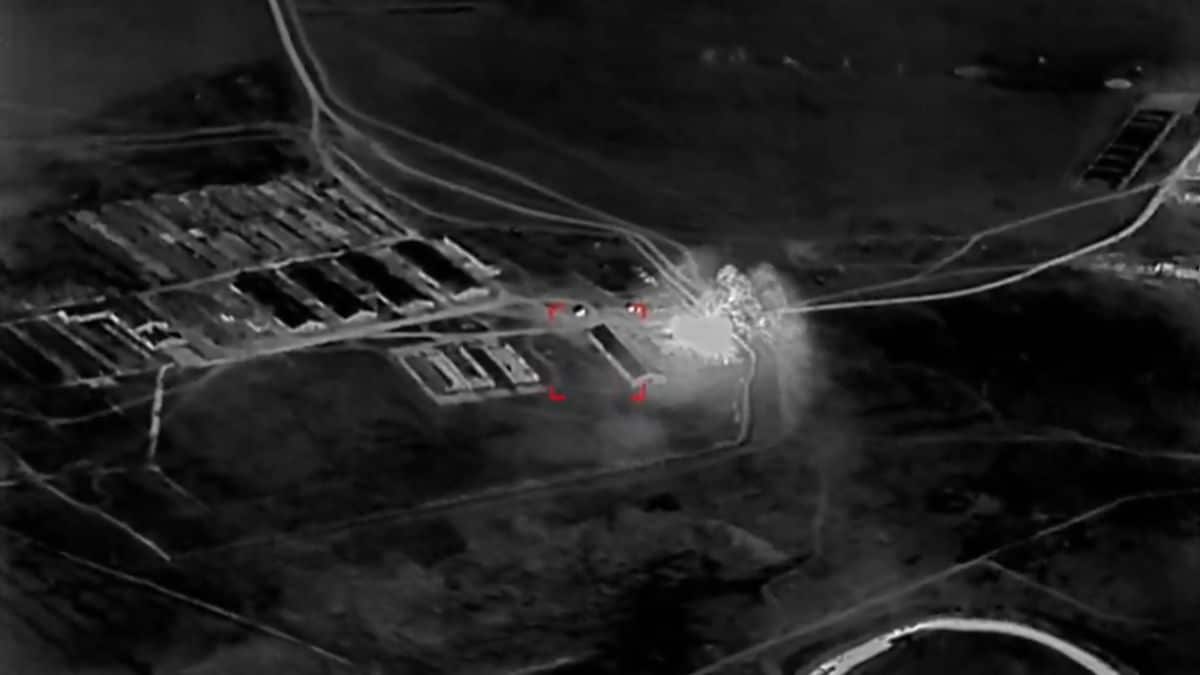
Photo Credit: Bravo1Alpha
The technology is a trans-Atlantic collaboration between Vantor, Dutch geospatial intelligence company Bravo1Alpha, U.S.-based Persistent Systems and Ukrainian defense firm Burevii. It condenses the sensor-to-shooter cycle, proving especially helpful to survey large areas, especially when harsh winters in the season create surveillance troubles like fog and snow, per Washington Post. Vantor’s chief transformation officer and a former Navy SEAL said the company’s 10 satellites cover seven million square kilometers a day, surveying each one point on the Earth between 12 and 15 times. The accuracy of coordinates is within five meters of the real target, enough for a flight route for an attack drone to be mapped.
Limitations accompany every technology, and this one’s handicap comes when thick cloud cover engulfs a chunk of the region for most of the winter. This makes tracking a moving target near impossible.