





















Hey readers,
One thing Covid taught us is how quickly humans adapt when they have no choice.
Almost overnight, we went from crowded offices and daily commutes to lockdowns, masks, sanitisers, Zoom meetings, and work-from-home setups. Businesses changed how they operated. Families changed how they socialised. Governments changed how they governed. Many of these adjustments felt impossible before Covid arrived.
But that’s often how change happens. Constraints appear, old assumptions stop working, and people find new ways to adapt.
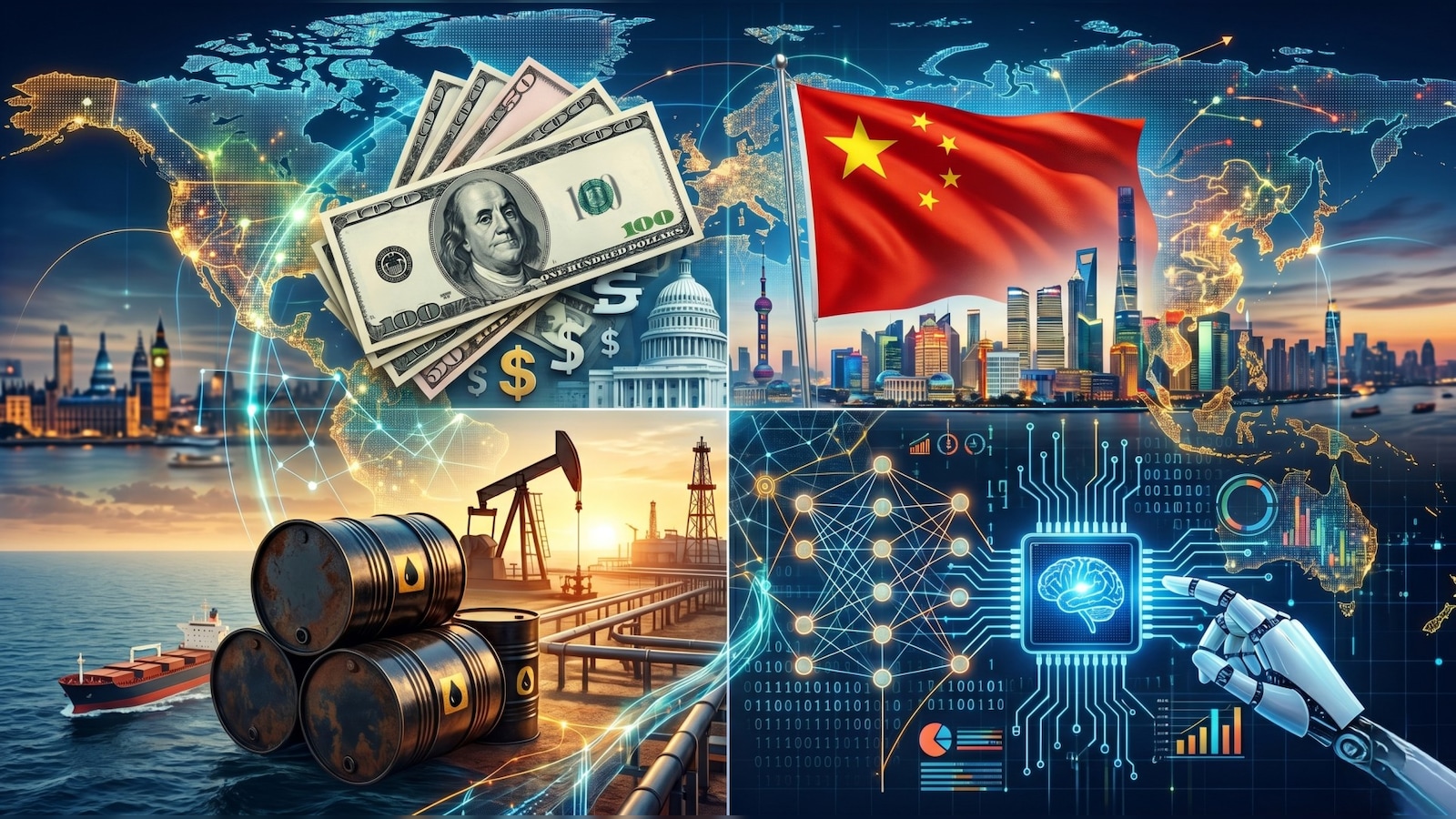
Long-term bond yields across the US, UK, Germany, and Japan are now at levels not seen since the 2000s. For some analysts, that’s a warning sign. Governments are heavily indebted, oil prices have surged above $100, and inflation fears are returning. Others see something entirely different: a return to normal after the unusual low-rate era that followed the Global Financial Crisis. Verdict? Well, it’s not out yet, but I request you to read ‘Rising Bond Yields Send Confusing Signals’ and then decide for yourself.
When the US sanctioned Huawei, the expectation was simple: cut off access to advanced technology and slow China’s rise. Instead, Huawei doubled down. It invested heavily in R&D and innovated despite sanctions. Now it claims breakthroughs in chip architecture. More broadly, that’s what I find fascinating about China. It keeps reinventing itself with every new challenge. China’s technology story shows that pressure can sometimes become a catalyst for innovation. It’s almost like Necessity Is The Mother Of Invention.
There’s some news from China again. China went on a buying spree around the world for nearly a decade. But much of that money went into trophy assets – hotels, real estate, entertainment companies, and the like. In the last few years, though, it has become far more choosy and calculated. New rules that will take effect next month mark the next shift. China has figured out that it needs to be selective and scrutinise overseas investments through a national security lens as well. That’s why we are seeing increasing Brakes On Chinese Companies Going Global.
Then there’s this AI. I know we are all fed up with the job loss fears. But the first world problems are a bit different. Not exactly the first world but the leading companies of Korea, Taiwan and the US may see some troubles going ahead when it comes to labour relations. Korea’s Samsung has just averted one crisis by granting bonus of 10.5% of operating profits, a year after SK Hynix agreed for a 10% share. This will set new standards in the labour contracts. Read More: AI Boom Rewriting Labour Contract.
For years, the world became accustomed to abundance: cheap money, open markets, unrestricted technology flows, and globalisation. Now constraints are returning. Higher borrowing costs are constraining governments. Sanctions are constraining technology. AI is constraining traditional labour models. National security concerns are constraining capital flows. The interesting part is that constraints don’t just limit behaviour. They also force adaptation. That’s what is common across all four topics.
That’s the week.
If you made it this far, I’d love to hear from you.
Which of these stories stayed with you? What stories can you share around these topics?
And more importantly, what should I dig into next?
An everyday object, a policy, a price that suddenly changed, a trend that’s growing around… send it my way. Just hit reply. I read everything.
See you next Saturday.
Cheers, Swapnil
Disclaimer: The views expressed in this article are solely those of the author and do not necessarily reflect the opinion of NDTV Profit or its affiliates. Readers are advised to conduct their own research or consult a qualified professional before making any investment or business decisions. NDTV Profit does not guarantee the accuracy, completeness, or reliability of the information presented in this article
Essential Business Intelligence,
Continuous LIVE TV,
Sharp Market Insights,
Practical Personal Finance Advice and
Latest Stories — On NDTV Profit.



