


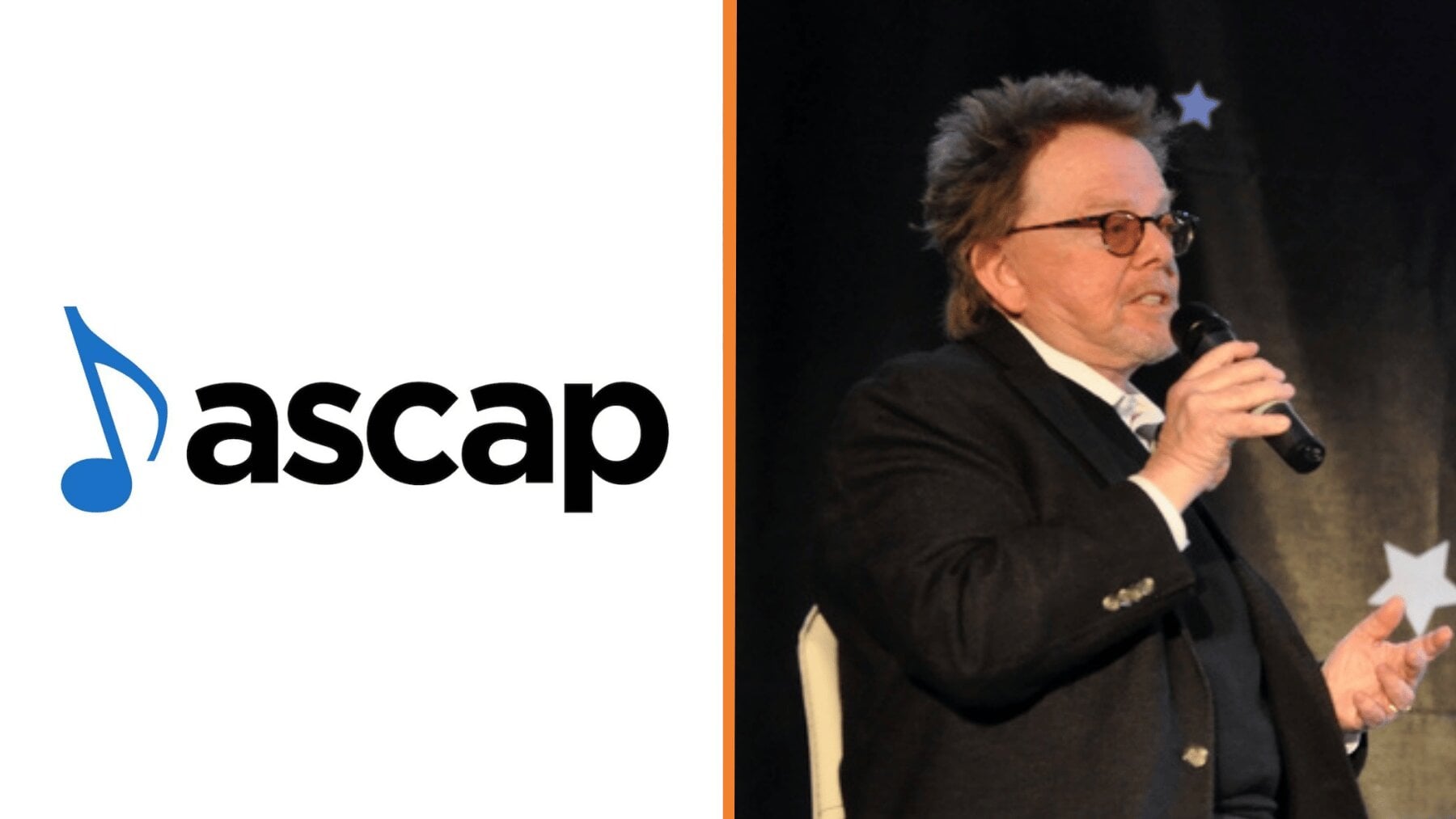
ASCAP has filed copyright infringement lawsuits against four US radio groups that it says have broadcast its members’ music without a valid license.

The performing rights organization said on Tuesday (June 9) that the four groups operate a total of 15 radio stations.
The defendants are Haugo Broadcasting Inc. in South Dakota, Spoon River Media, LLC in Indiana, Taylor Communications in Mississippi, and Barry Lunderville Radio in New Hampshire.
ASCAP represents more than 1.1 million songwriters, composers and music publishers, and licenses the public performance of their work to businesses that play music, including radio stations.
About 90% of the license fees that ASCAP collects are paid to its songwriters, composers and music publishers as royalties, the organization said.
Most US commercial radio stations license ASCAP‘s music through an agreement between ASCAP and the Radio Music License Committee (RMLC), which negotiates blanket-license rates on the industry’s behalf.
That agreement provides access to the more than 20 million works in ASCAP’s repertory for a fee calculated as a percentage of station revenue, according to the organization.
ASCAP and the RMLC reached a settlement in August 2025 that raised the royalty rates paid by almost 10,000 commercial terrestrial radio stations in the US. The deal included year-on-year increases in the percentage-of-revenue rate paid by stations.
BMI, another US performing rights organization, reached its own RMLC settlement in August 2025, in what it called its “largest rate increase ever” for radio.
Radio stations that broadcast music typically license multiple performing rights organizations, including ASCAP, BMI, SESAC and Global Music Rights. A license from one does not cover the others, and each pursues its own infringement actions against stations that do not pay.
“Music is the lifeblood of radio, and the overwhelming majority of radio stations follow the law.
Paul Williams, ASCAP
“Music is the lifeblood of radio, and the overwhelming majority of radio stations follow the law,” said ASCAP Chairman of the Board, President and songwriter Paul Williams.
“As songwriters and composers, we earn our livelihoods through our creative work, and music is how we put food on the table, pay the rent and support our families. Radio station owners know that an ASCAP blanket license allows them to offer music legally, efficiently and at a reasonable price – while compensating music creators fairly.”
Under federal copyright law, broadcasters must obtain permission from copyright owners before playing their music, ASCAP said.
The four station groups have repeatedly refused to renew their licenses and pay the required fees, according to ASCAP.
ASCAP said the defendants have broadcast music written and published by its members without authorization or payment for the past several years.
“We don’t take legal action lightly. When a station refuses to pay for the music that makes their business possible, we have a responsibility to our members to take action,” said Clara Kim, ASCAP’s EVP and Chief Legal and Business Affairs Officer.
ASCAP said it terminated each broadcaster’s license and proceeded with litigation after exhausting attempts to reach a resolution.
ASCAP says it is the only US performing rights organization that operates on a not-for-profit basis.
About 90% of the license fees that ASCAP collects are paid to its songwriters, composers and music publishers as royalties, the organization said.
ASCAP was founded in 1914 and is governed by a board of songwriter, composer and music publisher members.
ASCAP licenses its repertory to streaming services, television and radio broadcasters, and to brick-and-mortar businesses such as bars, restaurants and retail stores.
The New York-based organization distributed a record $1.76 billion in royalties to songwriters, composers and music publishers in 2025, on revenues of $1.945 billion, up 6% year-on-year.
ASCAP added more than 80,000 new members in 2025, bringing its total membership to 1.1 million.Music Business Worldwide



