


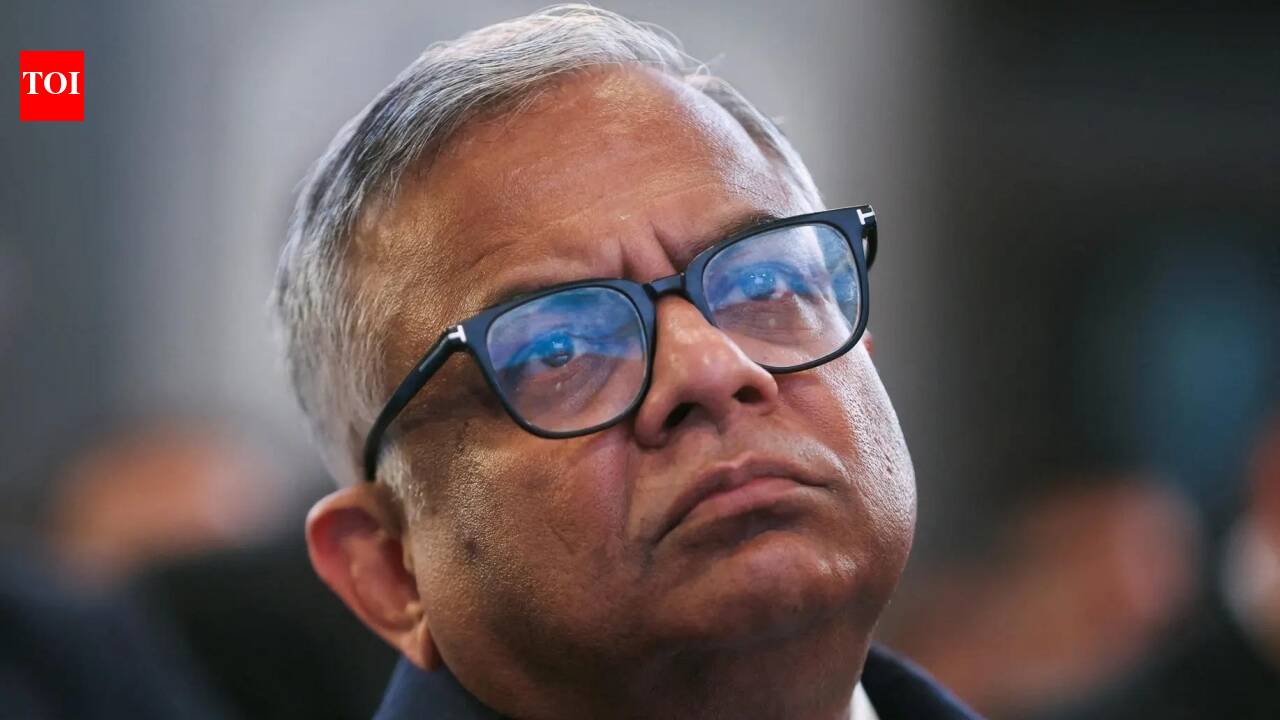

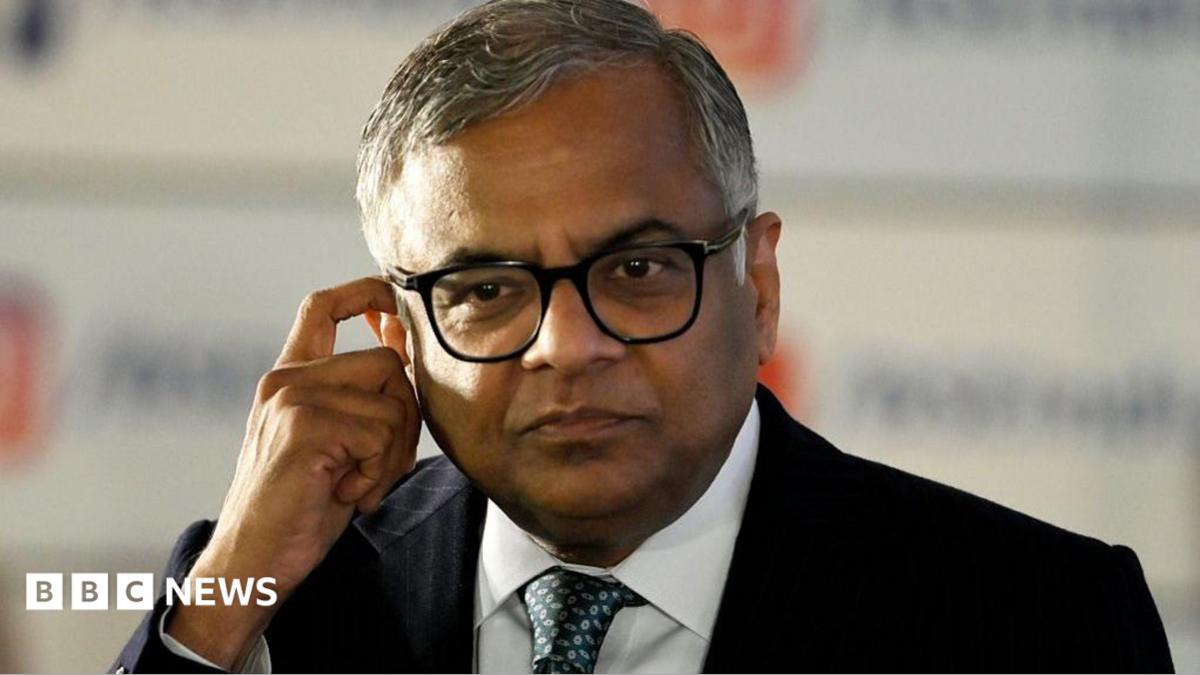


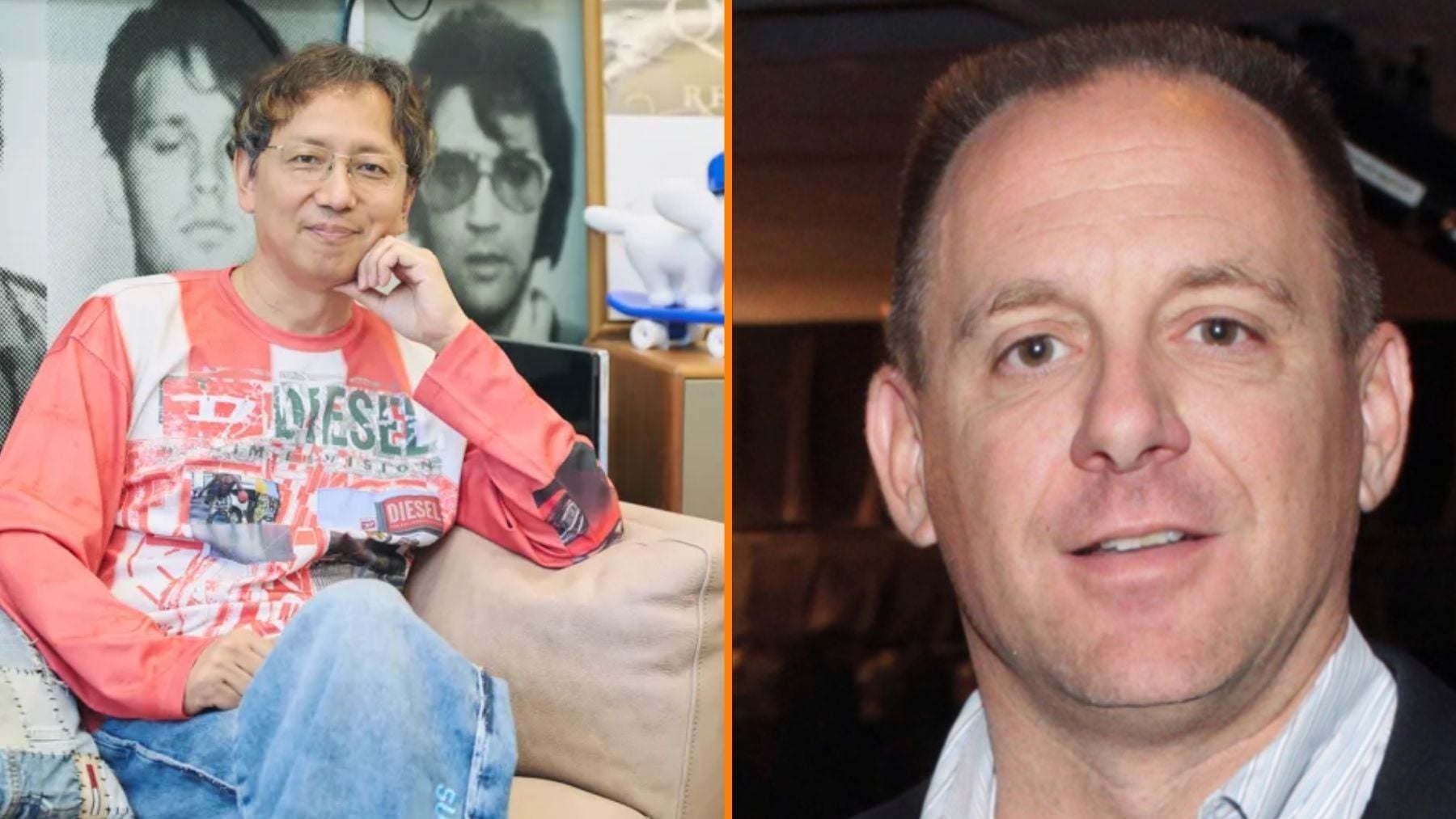









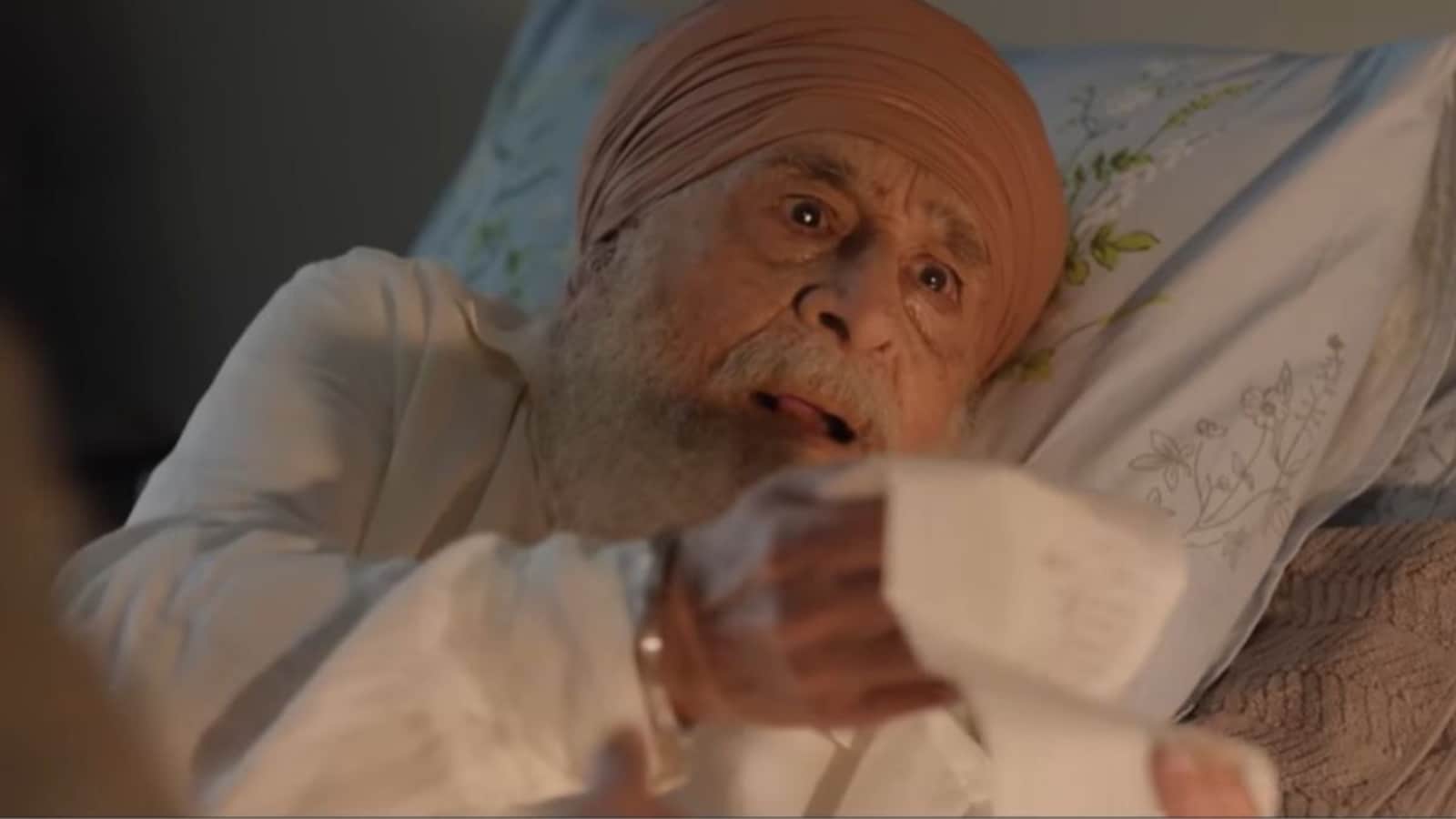
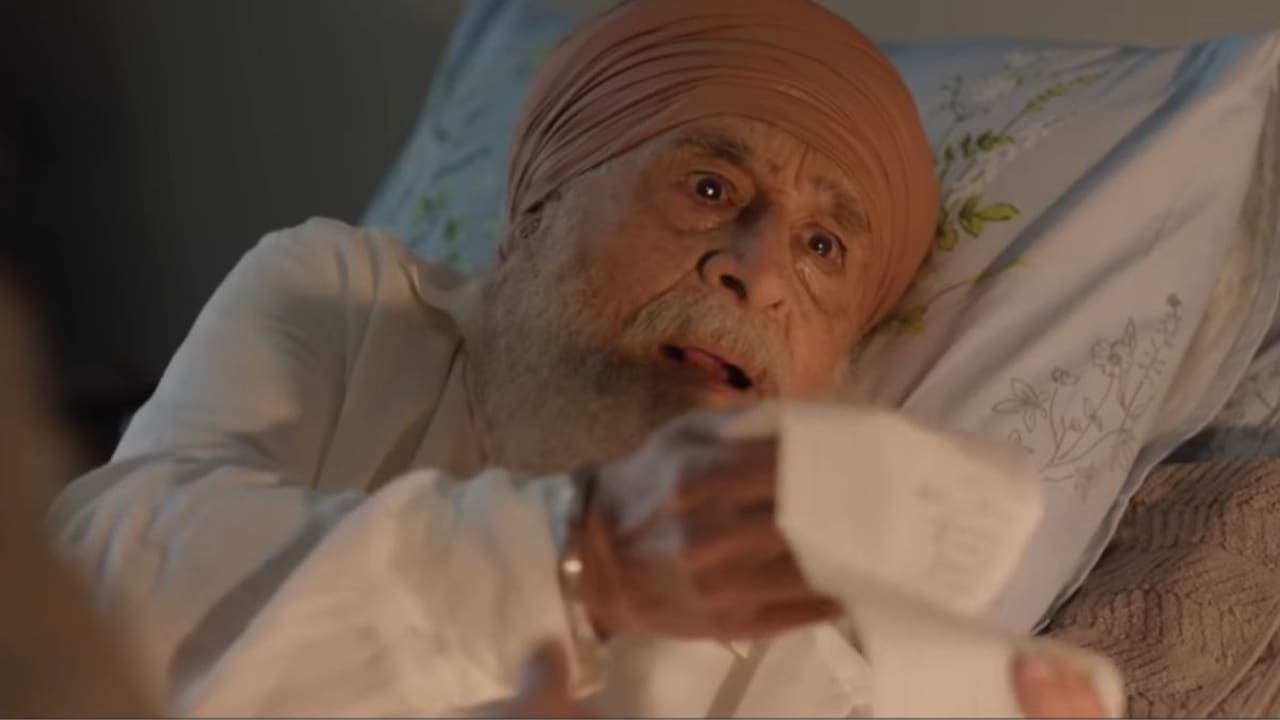
Exactly a week ago, Naseeruddin Shah disappeared into the skin of JRD Tata, the Tata Group visionary, in Made In India: The Titan Story by Robbie Grewal. In Imtiaz Ali’s Main Vaapas Aaunga, the veteran actor breathes life into a dying man named Ishar Grewal, whose life was marred by the horrors of the 1947 Partition.
Naseeruddin Shah is an actor par excellence and can easily be taken for granted because you feel he has done it all. He turns 76 in a few days and has been acting for 51 years. And yet, when you watch Main Vaapas Aaunga, you will still be gobsmacked.
In his follow-up to Amar Singh Chamkila, also set in Punjab, Imtiaz Ali makes a splendid return to the big screen with his most realised film to date — one that dares you to look for old-school love in an era dominated by situationships. Diljit Dosanjh reunites with the filmmaker as Nirvair, a lost London-based youth who flies to India to see his ailing grandfather Ishar one last time.
The bedridden old man, suffering from Alzheimer’s and dementia, longs for his first love even 78 years later and unintentionally knocks some sense (as happened in Tamasha) into Nirvair. Commitment-phobic and uncertain about his career — a daytime engineer who moonlights as a comic — Nirvair is played spot on by Diljit Dosanjh, the real global Indian. He struggles to understand why his grandfather refuses to die. “‘Martians’ walked the earth during World War II and they still live among us,” says Dadaji, and Nirvair tries to make sense of his gibberish in an attempt to let the old man die in peace.
Main Vaapas Aaunga flits between present-day Delhi and Sargodha in what was then undivided Punjab, days before Partition. Back then, Ishar was Keenu, played capably by Vedang Raina — a name that nods to Sargodha’s status as the citrus capital of Pakistan. Young and carefree, Ishar falls for Afsana Shaikh (Jiya), essayed by a formidable Sharvari. At the time, the Radcliffe Line had yet to tear the land apart; Punjab was one, home to Hindus, Muslims, and Sikhs. Afsana reciprocates Ishar’s love. The young couple, who meets chhup-chhupke in a Musalman’s house garden, believe religion will not be a problem. They are unaware of the fire about to spread.
The best part of the film is not what will happen — the title and trailer make that clear — but the how. Bringing a love story to a time when audiences have become accustomed to celebrating hatred and othering is itself an act of rebellion, even a political gesture. Imtiaz Ali, along with Naseeruddin Shah and Diljit Dosanjh, breaks your heart to mend it again.
The surprise package in this Partition drama is Sharvari, who nails the brief as the coy yet resolute Afsana. Vedang Raina is vibrant as Keenu, a man who becomes an empty shell long before he reaches the deathbed.
There is a lot of talk about “ye meri jagah hai” and the idea of communal harmony and freedom to choose where to live. But what happens when you are uprooted from the only place you have ever known as home? What do you say to those who never lifted a finger against anyone, regardless of religion, when their loved ones are hacked to death and raped? How does a Sikh youth react when he sees his own community plunder and kill the ‘other’?
A character says, “Auraton ka kya haal hua hoga — main toh soch bhi nahin sakta.” This is also Imtiaz Ali’s most violent film. What he leaves to the imagination is even more numbing.
There are some stray scenes about environmental conservation, but the filmmaker does something bigger here: he moves you. It is a heavy watch, but a must-watch — for memory, nostalgia, first love, and final goodbyes.
The film serves as a dialogue between the old generation — those who lived through Partition and prefer to stay silent, carrying the horrors of their time to the grave — and the young, who insist that hate finds ways to fester.
The supporting cast is strong: Rajat Kapoor, Dolly Ahluwalia (wow), Vinod Nagpal, Manish Chaudhari, Anjana Sukhani, and Dhurandhar actors Danish Pandor and Mashhoor Amrohi, all working in a world very different from the Aditya Dhar hit.
Imtiaz Ali has famously said he hates that his films “work” only years after release, with Laila Majnu being a case in point. Here’s hoping he gets that real-time recognition with Main Vaapas Aaunga.
PS: At the press screening of Main Vaapas Aaunga, sniffles from grown men matched the volume of the dialogue and music score. It felt safe; there is still hope.
Also Read | Imtiaz Ali To NDTV On Gen Z Relationships: ‘They Are Lonelier Than Any Generation’