




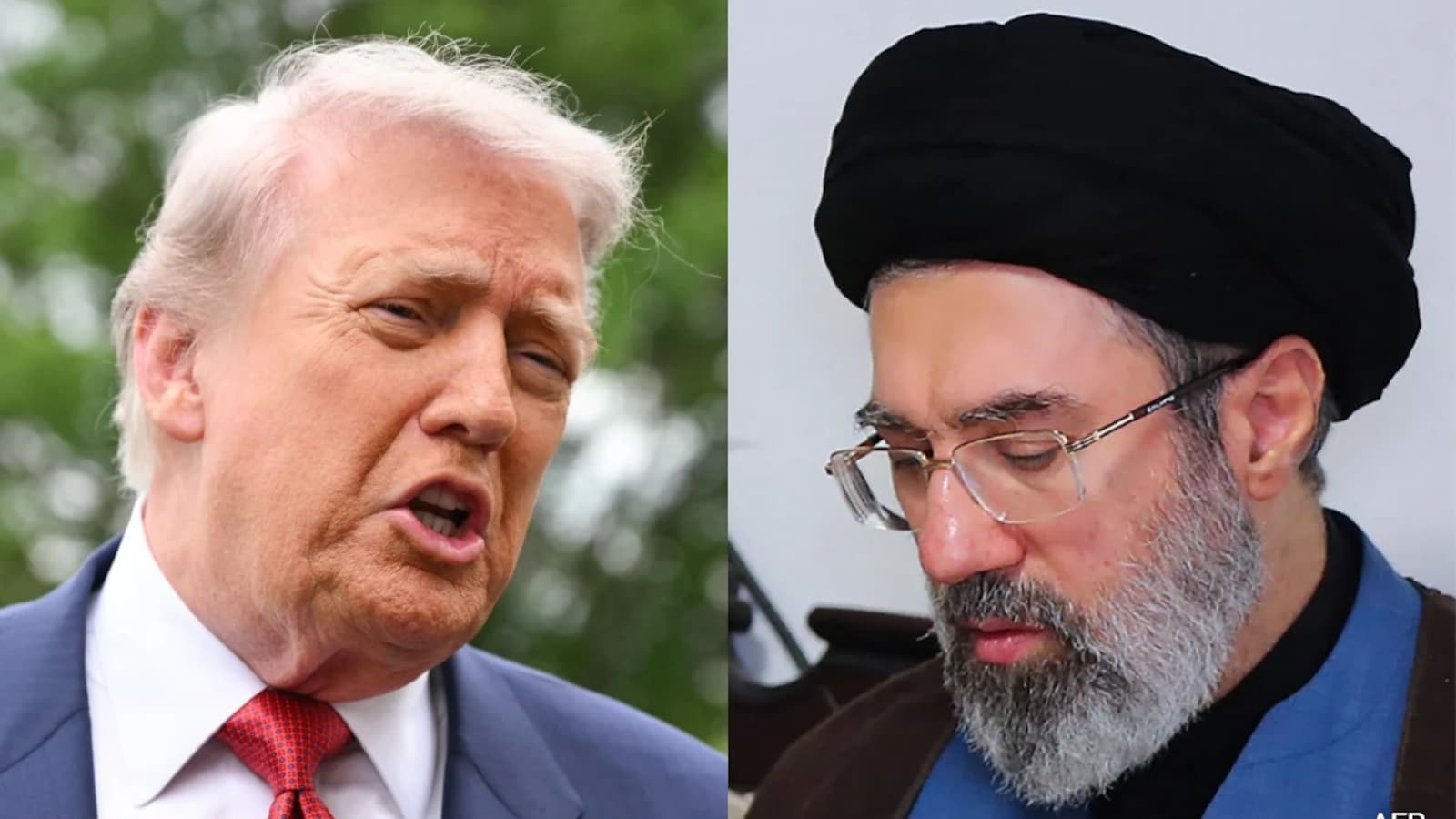
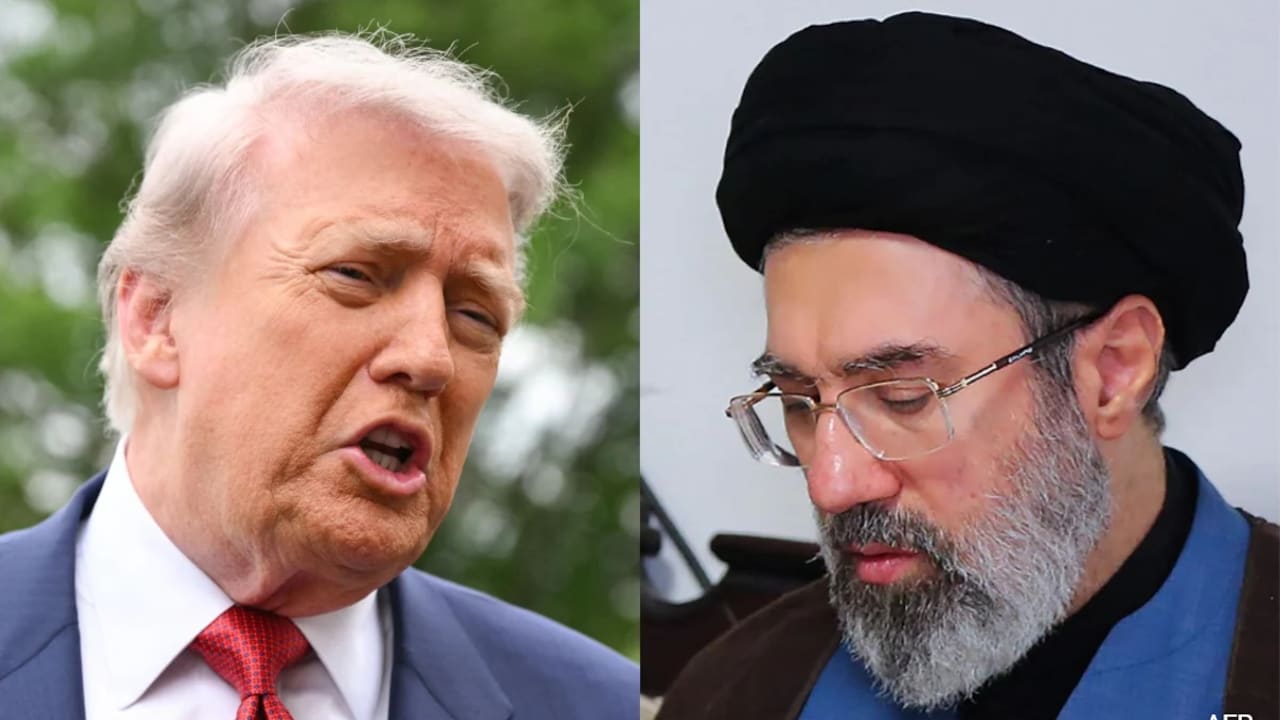
Iran has described its latest agreement with the United States as a victory because they believe that the US and Israel failed to achieve their goals.
Tehran said it has come out stronger after the recent conflict, and even claimed that it has shown more confidence than before the war began on February 28.
According to Tehran, the US and Israel wanted Iran to surrender, overthrow the Islamic Republic, destroy Iran’s nuclear programme, and weaken its ties with the Lebanese militant group Hezbollah. Iran says none of those things happened.
Instead, the government remains in power, negotiations are continuing, and discussions on easing sanctions are taking place.
“The US made a big mistake. It awakened the sleeping dragon. We paid a huge price, but we activated capacities that we had previously hesitated to use,” a regime insider told the Financial Times (FT).
After the announcement of the deal with the US, the state’s television even played victory-style music, with the government saying it has survived its biggest crisis and has come out stronger. However, the situation on the ground is more complicated.
A Western diplomat quoted in the report said the conflict actually suited the government’s long-standing ideology and preparations. “The war fitted perfectly into their ideology and what they had been preparing for over decades. It strengthened them,” he said.
The report says Iran successfully handled a change in leadership and became more willing to use one of its strongest strategic advantages, which is its influence over the Strait of Hormuz, a narrow waterway through which 20 percent of the world’s oil and gas shipments pass.
However, not everyone in Iran agrees as US and Israeli strikes damaged key infrastructure, killed thousands of civilians, and also killed Supreme Leader Ayatollah Ali Khamenei along with senior military commanders.
Even though Iran and the US have reached a framework agreement, diplomats say some of the hardest issues have not been solved yet. One major issue is Iran’s stockpile of highly enriched uranium, which is enriched to levels close to those needed for a nuclear weapon.
Before the conflict, some Western officials thought Iran might agree to send this uranium out of the country as part of a deal. Instead, the current agreement states that Iran would keep the uranium inside the country but dilute it to lower enrichment levels under the supervision of the International Atomic Energy Agency (IAEA), the UN’s nuclear watchdog.
People inside Iran believe the agreement is only a framework and could still change or fall apart. One regime insider told the FT that true victory would only come if Iran secures long-term benefits.
“Victory is when our achievements are converted into lasting gains. Victory is when Iran’s right to enrich uranium is recognised, our enriched uranium remains inside the country and the US role in the region shrinks to zero,” he said.



