


Mumbai:
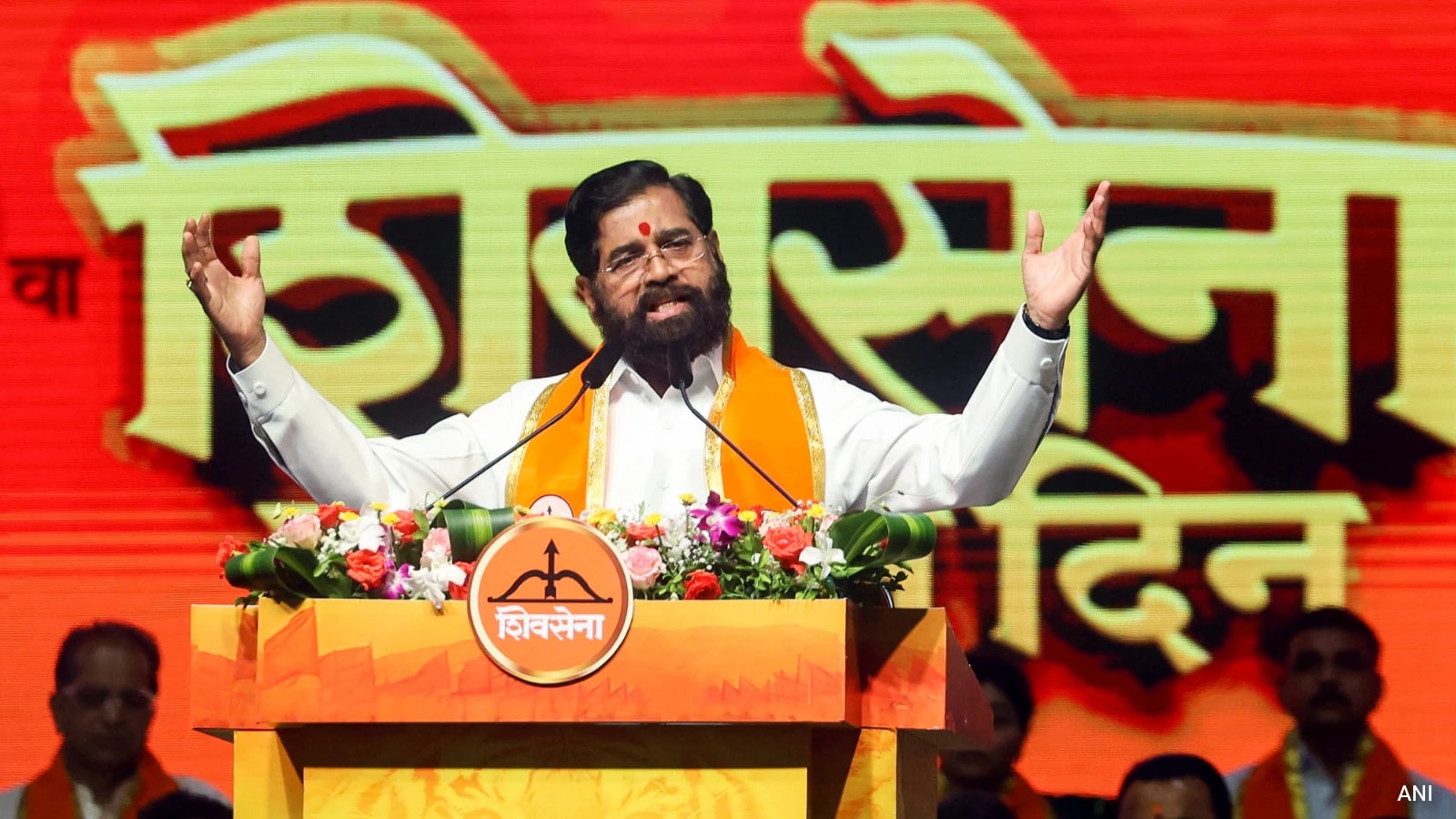
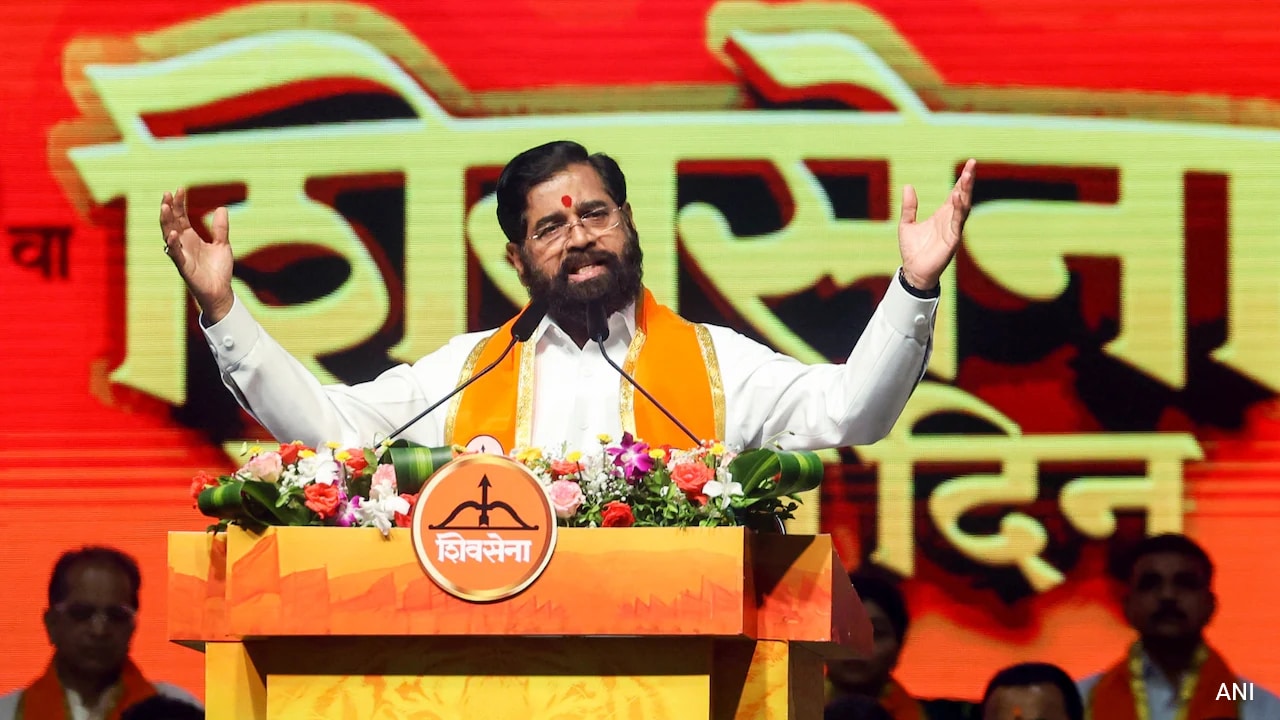
Just days before the Shiv Sena’s 60th foundation day, Eknath Shinde has scored his biggest political victory since the 2022 rebellion that split the party founded by Bal Thackeray.
The success of what has come to be known as “Operation Tiger”, the move that saw six Shiv Sena (UBT) Lok Sabha MPs break ranks, and their plan to align with the Shinde-led Sena, has not merely weakened Uddhav Thackeray’s faction. It has also significantly enhanced Shinde’s standing within the National Democratic Alliance (NDA) and the Mahayuti government in Maharashtra.
More Than Just Defections
Ever since the Mahayuti’s victory in the Maharashtra Assembly elections in 2024, there has been a perception that Shinde’s influence had diminished. Though he remained a central figure in the alliance, the chief minister’s post went to Devendra Fadnavis, while Shinde accepted the deputy chief minister’s position. Key decisions also increasingly appeared to be centred around the BJP leadership.
The recent defections make Shiv Sena a stronger partner within the NDA, and the past few days have seen several senior Shiv Sena leaders expressing their desire to see Shinde return as chief minister.
At the national level, the Sena’s tally of Lok Sabha MPs is projected to go up from seven to 13, placing the party alongside larger NDA constituents like the Telugu Desam Party and JD(U).
For the BJP-led NDA government, every additional MP matters, especially as the Parliament prepares for the possible reintroduction of the Women’s Reservation-cum-Delimitation Bill in the coming months, which would require a two-thirds majority.
Political observers say a larger parliamentary contingent gives Shinde greater leverage in negotiations over ministerial representation, policy priorities and alliance management, making it harder for the BJP to ignore his demands.
Maharashtra Message
The defections also send a strong political message within Maharashtra.
Since the 2022 split, critics of Shinde frequently argued that while he controlled the organisation, Uddhav Thackeray continued to command emotional loyalty among traditional Shiv Sainiks and elected representatives. The latest defections challenge that narrative.
The MPs who shifted were elected in 2024 despite the intense contest between the rival Sena factions. Their decision to move towards Shinde suggests that a significant section of leaders believes political growth and future electoral prospects lie with the ruling alliance rather than the opposition camp.
This perception is politically valuable. Recent political history in Maharashtra shows that leaders often attract further support once they are seen as gaining momentum. A successful defection operation creates an image of inevitability and strength, encouraging fence-sitters to reconsider their loyalties.
The six MPs are, however, yet to make a public appearance in their constituencies, reportedly fearing public outrage. That is why reports suggesting that more MLAs may join the Shinde camp are being watched closely.
If further defections materialise, the latest episode could become a self-reinforcing cycle that expands Shinde’s influence even further.
Alliance Dynamics
Perhaps the most immediate impact will be felt within Maharashtra’s ruling alliance.
Since taking office as chief minister, Fadnavis has been widely viewed as the dominant figure in government. Administrative decisions, appointments, and portfolio allocations have largely reflected the BJP’s superior numerical strength in the Assembly.
A stronger parliamentary presence gives Shinde a new source of leverage that extends beyond Assembly arithmetic. While the BJP remains the senior partner, Shinde can now argue that his party contributes substantially not only to the state government but also to the NDA’s national strength.
Battle For Legacy
The rival Shiv Sena factions continue to compete over who represents the true political and ideological heir to Bal Thackeray’s legacy. Every major defection strengthens Shinde’s claim that the bulk of the organisation and elected leadership now stand with him.
The timing is particularly important. The defections occurred around the party’s 60th foundation day, when both factions were attempting to showcase their strength.
Despite the apparent victory, Shinde’s position is not without challenges.
The BJP remains the dominant political force in Maharashtra and nationally, and the long-term success of Operation Tiger will depend on whether the defecting MPs remain politically relevant in their constituencies – proof of voters either accepting or rejecting their shift in allegiance.
There is also the possibility of legal and procedural challenges surrounding the recognition of the new grouping.



