


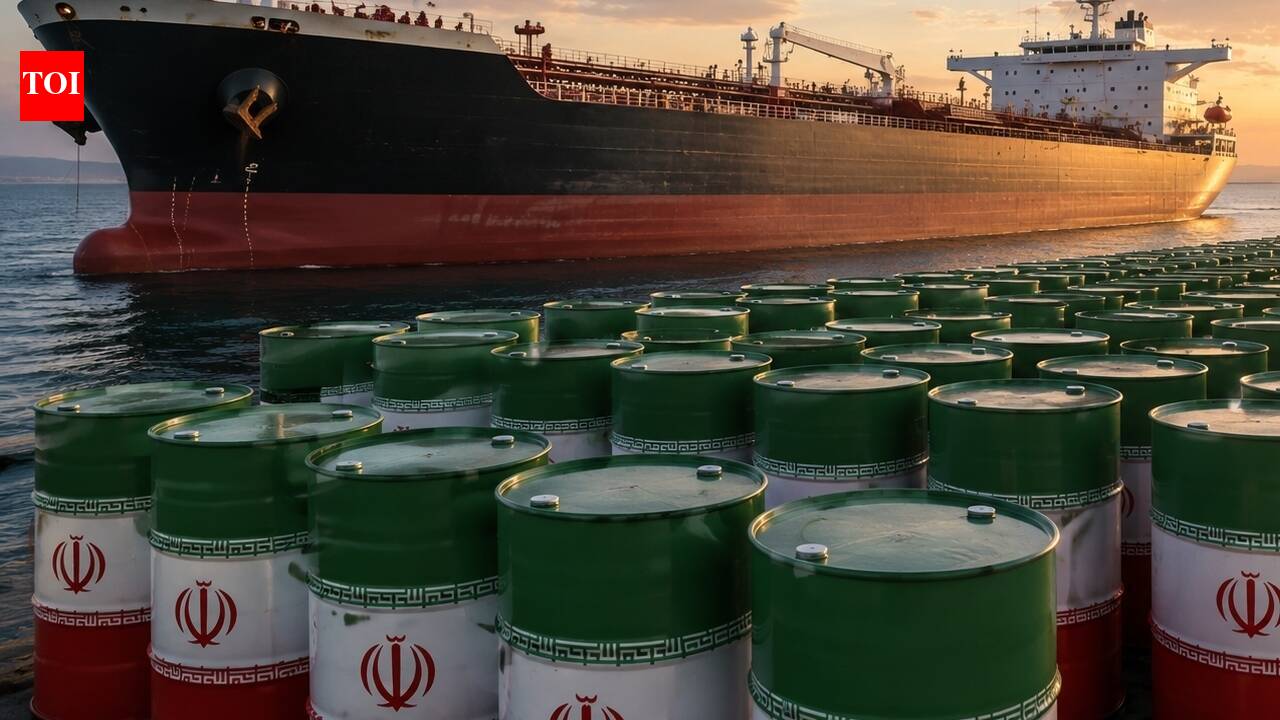
The United States on Monday granted Iran a 60-day sanctions waiver following the first round of discussions under a newly emerging peace arrangement. US Vice President JD Vance said meetings with Iranian representatives in Switzerland had created a solid basis for a comprehensive peace accord. However, Iran rejected suggestions that negotiations had already begun on its nuclear programme.As part of a broader package designed to provide economic relief to Iran, the US Treasury announced a sanctions waiver valid until August 21. The exemption allows Tehran to export oil and related products and receive payments for those sales.Shipping activity through the Strait of Hormuz began to recover on Monday. Meanwhile, Oman’s foreign minister reiterated the country’s commitment to international law and to ensuring toll-free and secure passage through the waterway during ongoing discussions with Iran over its administration.
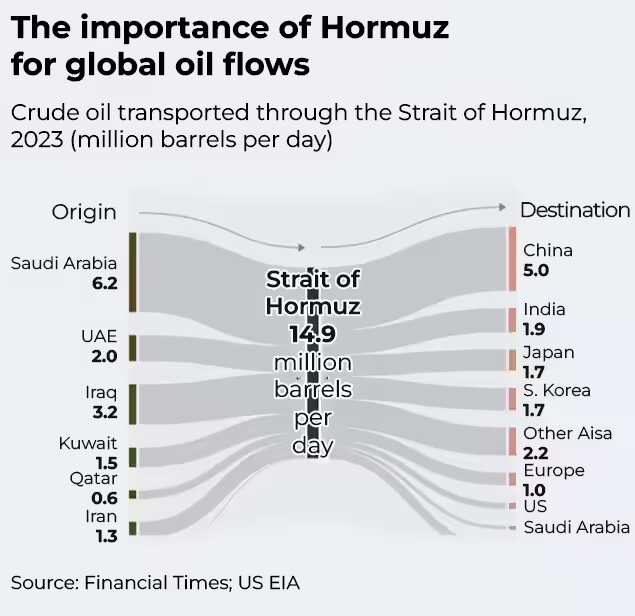
Importance of Hormuz for global oil flows
What does the latest move by US to waive sanctions on Iran’s crude mean for India? Let’s take a look:
What has US announced?
The newly issued general licence authorises activities connected to the production, transportation and sale of petroleum and petrochemical products originating from Iran.Official documents state that all transactions previously prohibited under US sanctions and related to these activities will be permitted until 12:01 a.m. Eastern Daylight Time on August 21, 2026.The licence also permits the import of Iranian crude oil and petroleum products into the United States when such imports are necessary to complete sales or deliveries covered under the waiver provisions.US Treasury Secretary Scott Bessent said on X (formerly Twitter): “Under President @realDonaldTrump and @VP, we continue to make the world safer and more prosperous. In line with the ongoing productive talks in Switzerland, Iran has committed to free and open transit in the Strait of Hormuz and to permit International Atomic Energy Agency (IAEA) inspectors into their country. As part of the framework, Treasury has issued a temporary 60-day general license authorizing the production, delivery, and sale of Iranian oil.”The Treasury Department said the exemptions apply only to Iran-related transactions and do not cover dealings involving North Korea or Cuba, both of which remain subject to stringent US sanctions.
What it means for India
For India, the benefit may be immediate – but in the form of lower global crude oil prices. With Iranian oil being unsanctioned for a period of sixty days, oil supply globally would increase, hence exerting a downward pressure on prices. For a country that depends on imports for 88% of its crude needs – a fall in oil prices would not only reduce the oil import bill, but also ease things for oil marketing companies which have been incurring losses to keep petrol and diesel prices in check. Back in April when the US-Iran war was raging, to keep global crude oil prices in check, the Trump administration had unsanctioned Iranian oil at sea. India had procured Iran oil for the first time in several years.But this time the purchases may not see an immediate bump up. Sumit Ritolia, Lead analyst, Modelling and Refining at Kpler says, “With OFAC unsanctioned Iranian crude, I wouldn’t expect any meaningful crude deal in the near term. Even if discussions are constructive, India is unlikely to commit to Iranian crude imports while US sanctions/unsanctions policy flipflop remains in place and the geopolitical situation remains highly fluid.”“The more realistic areas for engagement are LPG, petrochemicals, fertilizers, and broader energy cooperation, but even there I’d be cautious about expecting concrete outcomes given the uncertainty around sanctions relief and Washington’s policy stance,” he says.However he cautions that the US position is still quite unpredictable, which makes long-term commitments difficult for Indian buyers and government given US trade deal is still pending. US President Donald Trump has already warned that Washington would respond if Tehran failed to uphold its commitments under the agreement, saying he would “do what I have to do” if Iran did not comply.
India’s crude oil diversification strategy
India’s imports of Russian crude rose sharply in June, while purchases from the United Arab Emirates remained near record levels, as refiners sought to lock in supplies before crude exports from Gulf producers fully stabilise following the reopening of the Strait of Hormuz.Data from maritime and commodity analytics firm Kpler showed that India imported an average of 2.66 million barrels per day (bpd) of Russian crude between June 1 and June 19, a substantial increase from 1.91 million bpd in May. The rise further reinforced Russia’s position as India’s largest crude oil supplier. During the same period, crude imports from the UAE averaged 636,000 bpd, marginally below the all-time high of 644,000 bpd recorded in May. Venezuela emerged as India’s fourth-largest crude supplier with shipments of 209,000 bpd, behind Saudi Arabia, which supplied 384,000 bpd.Imports from Russia are expected to exceed 2.35 million barrels per day in June, potentially setting a fresh record. Competitive pricing and steady demand from domestic refiners are driving the increase.Since March, Indian refiners have also increased purchases from Venezuela and producers in the Atlantic Basin to offset reduced availability from Gulf suppliers. Venezuelan crude imports are estimated at 300,000-400,000 barrels per day in June, providing refiners that process heavier grades with an important alternative source of supply.



