


Beijing:
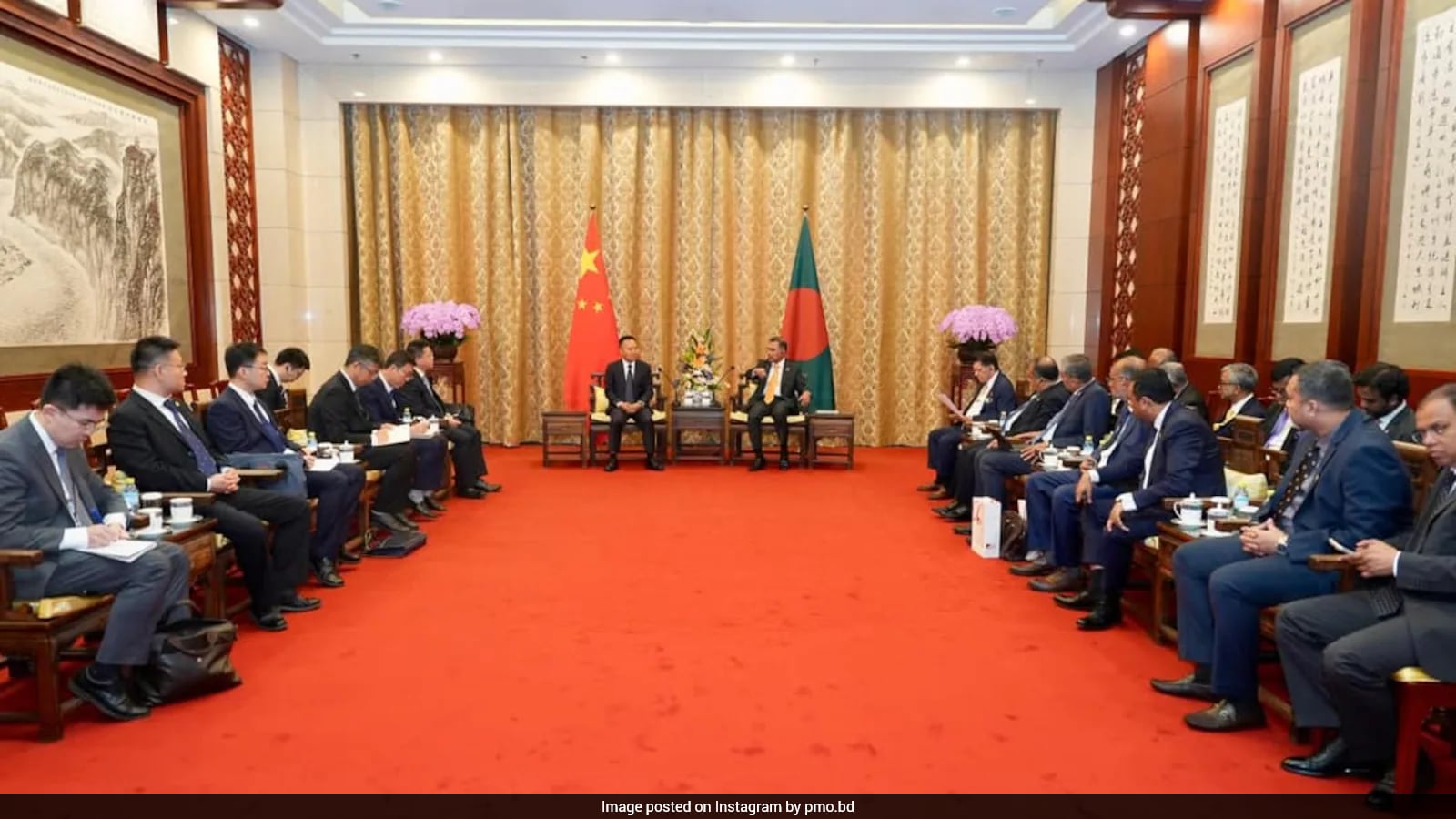
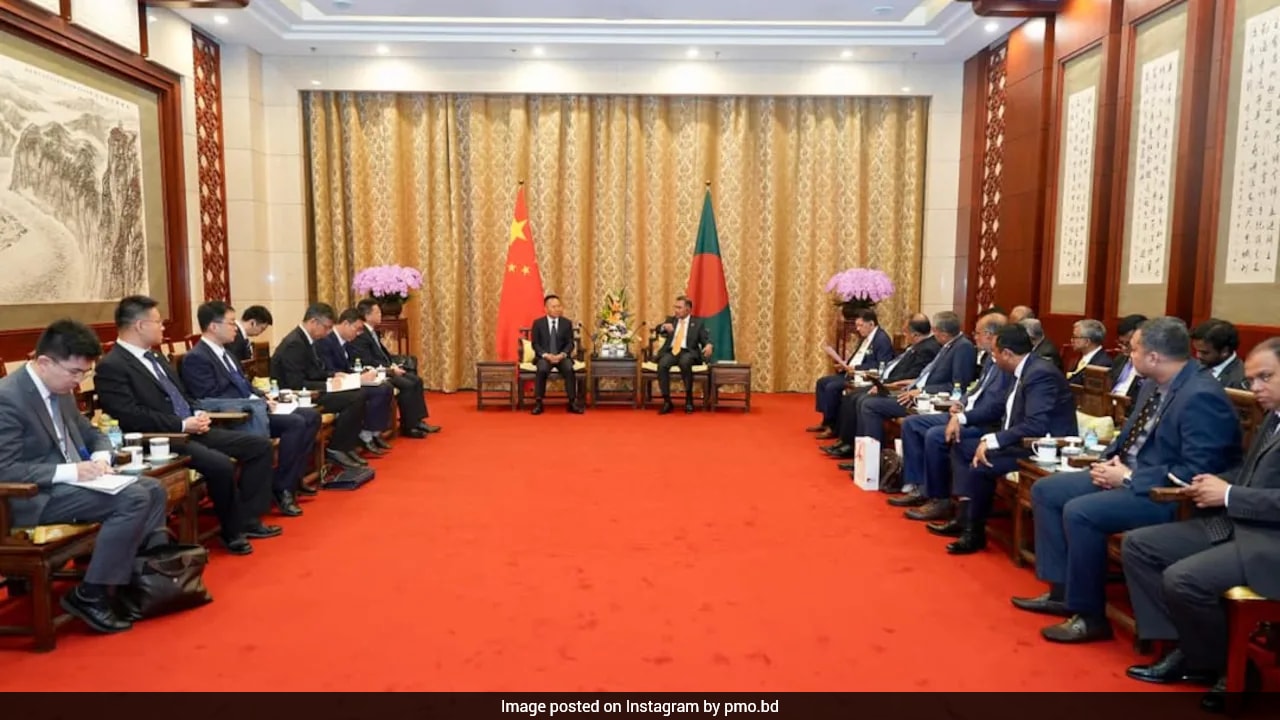
Bangladesh Prime Minister Tarique Rahman and Chinese Water Resources Minister Li Guoying have held a meeting in Beijing where an agreement has been reached regarding increasing cooperation between two countries in the management of different rivers of Bangladesh, including Teesta.
The meeting was held at the National Diaoyutai guest building in Beijing at 12:00 PM local time (10:00 AM Bangladesh time).
The Bangladeshi Prime Minister sought the support of the Chinese government in Bangladesh’s water resources management by citing the ongoing river excavation programme in the country aimed at tackling flood risk, environment protection and proper management of water resources.
The Prime Minister also reiterated Bangladesh’s expectation of technical support from the Chinese government in the Teesta management project.
“China’s Water Resources Minister has responded positively and assured comprehensive cooperation with the Bangladesh government’s initiative in water resources management,” the Bangladesh Prime Minister’s Office (PMO) said.
Li Guoying mentioned the Memorandum of Agreement (MoU) signed between Bangladesh and China in 2005 and China’s water experts’ visit to Bangladesh last year in the meeting with Tarique Rahman. “The bilateral cooperation between Bangladesh and China in water resource management is practical and research-based,” Li Guoying said, according to the Bangladesh PMO.
The Prime Minister sought the Chinese government’s cooperation in Bangladesh’s river breaking, irrigation management and navigation development plans.
“Bangladesh can use China’s experience in water management,” says China’s Water Resources Minister Li Guoying. Guoying urged water specialists in Bangladesh and concerned officials in the sector to undergo training in China.
Tarique Rahman also held meetings with China’s top business leaders.
India will be closely watching any announcement on the Teesta plan. In January this year, the Bangladesh Water Development Board (BWDB) and Chinese state-owned POWERCHINA signed an extension to a memorandum of understanding, pushing the Teesta Comprehensive Management and Restoration Project forward.
India has concerns over China’s involvement in the project. Given the area’s location and proximity to the strategically sensitive Siliguri Corridor (Chicken’s Neck), any expansion of external influence in the area, especially China’s presence, could intensify India’s security concerns and create potential strategic vulnerabilities for a corridor that connects India’s Northeast region to the rest of the country.



