


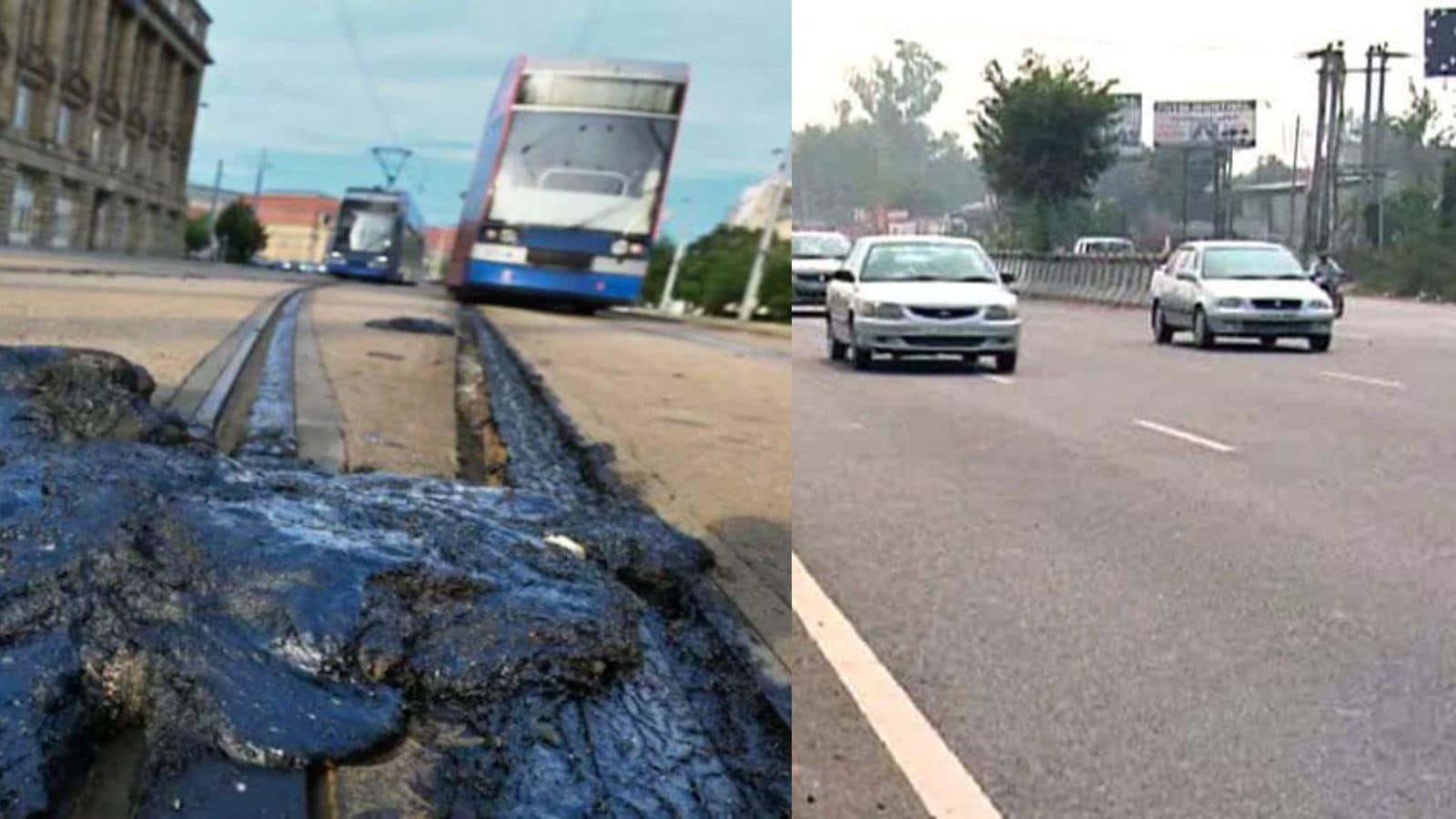
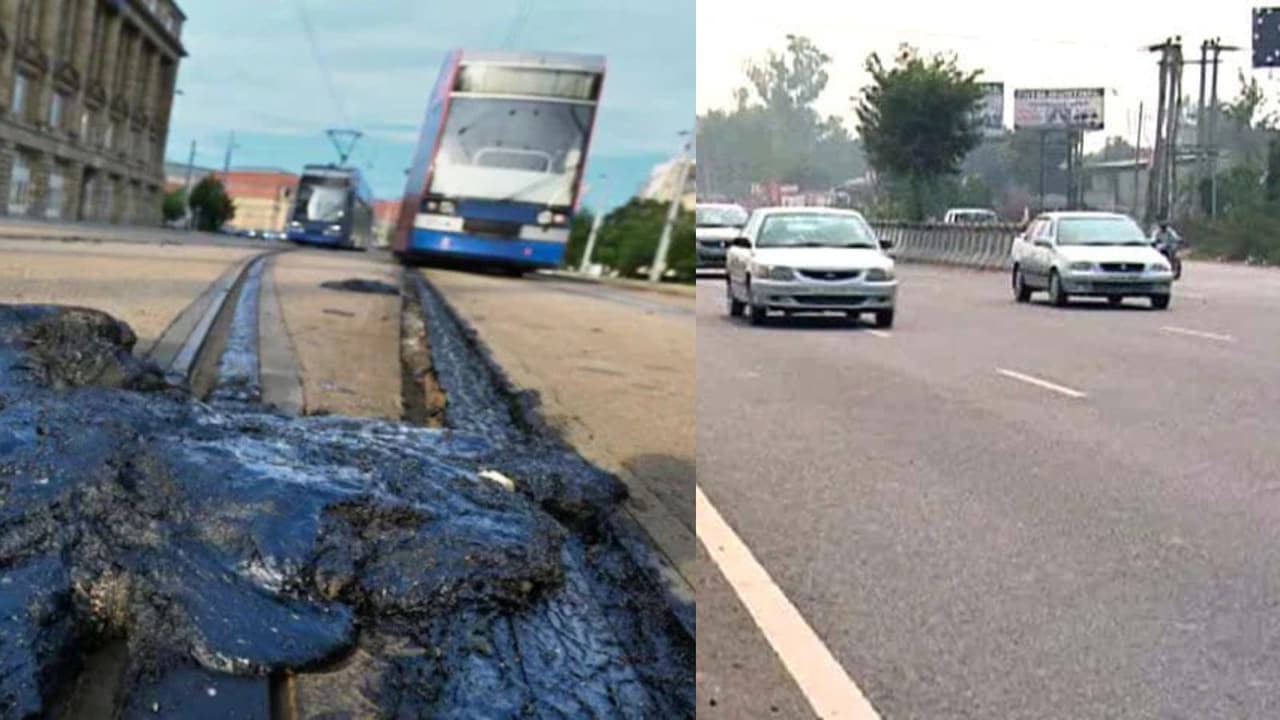
As parts of Europe experience record-breaking temperatures, reports of roads becoming soft and damaged in the UK have drawn attention. The situation has also sparked comparisons with India, where temperatures regularly cross 45 degrees Celsius during peak summer months without roads commonly reaching the same level of failure.
The difference is not about one country building stronger roads than another. It comes down to the way road materials are selected based on the climate they are expected to handle.
European Roads Are Designed For Freezing Winters
In countries like the UK, road construction has traditionally focused on surviving cold conditions. Roads must withstand repeated cycles of freezing and thawing, which can cause cracks and structural damage.
For this reason, many European roads use materials such as hot-rolled asphalt (HRA) and dense asphalt concrete. These mixes contain a higher proportion of bitumen and finer aggregates, giving the surface more flexibility.
That flexibility is useful during harsh winters because the road can expand and contract without easily cracking. Softer grades of bitumen help roads remain durable when temperatures drop below zero.
However, the same quality can become a weakness during extreme heat.
Why High Temperatures Can Affect UK Roads
When temperatures rise close to 40 degrees Celsius or beyond, the bitumen in these asphalt mixes can begin to soften. Under pressure from heavy vehicles, the surface may deform, creating issues such as ruts, sinking or softened patches.
Since such extreme heat has historically been unusual in many parts of the UK, roads are not always engineered around prolonged exposure to these conditions.
Indian Roads Are Built To Handle Scorching Summers
India faces a different climate challenge. Instead of long freezing periods, roads must endure months of intense heat, strong sunlight and heavy traffic.
To deal with this, Indian road construction commonly uses harder grades of bitumen, including VG-30 and VG-40. These materials have higher viscosity and are better able to maintain their strength when temperatures rise significantly.
Road mixes in India also often include larger aggregates, helping surfaces remain stable even during severe heat. This reduces the chances of the road becoming soft or developing permanent deformations under constant traffic loads.
Same Material, Different Priorities
European road engineering places greater importance on flexibility to survive freezing winters, while Indian roads are designed with heat resistance as a major priority.
As a result, temperatures that can become a rare and extreme challenge for some European roads are conditions that many Indian roads are already built to face every summer.



