


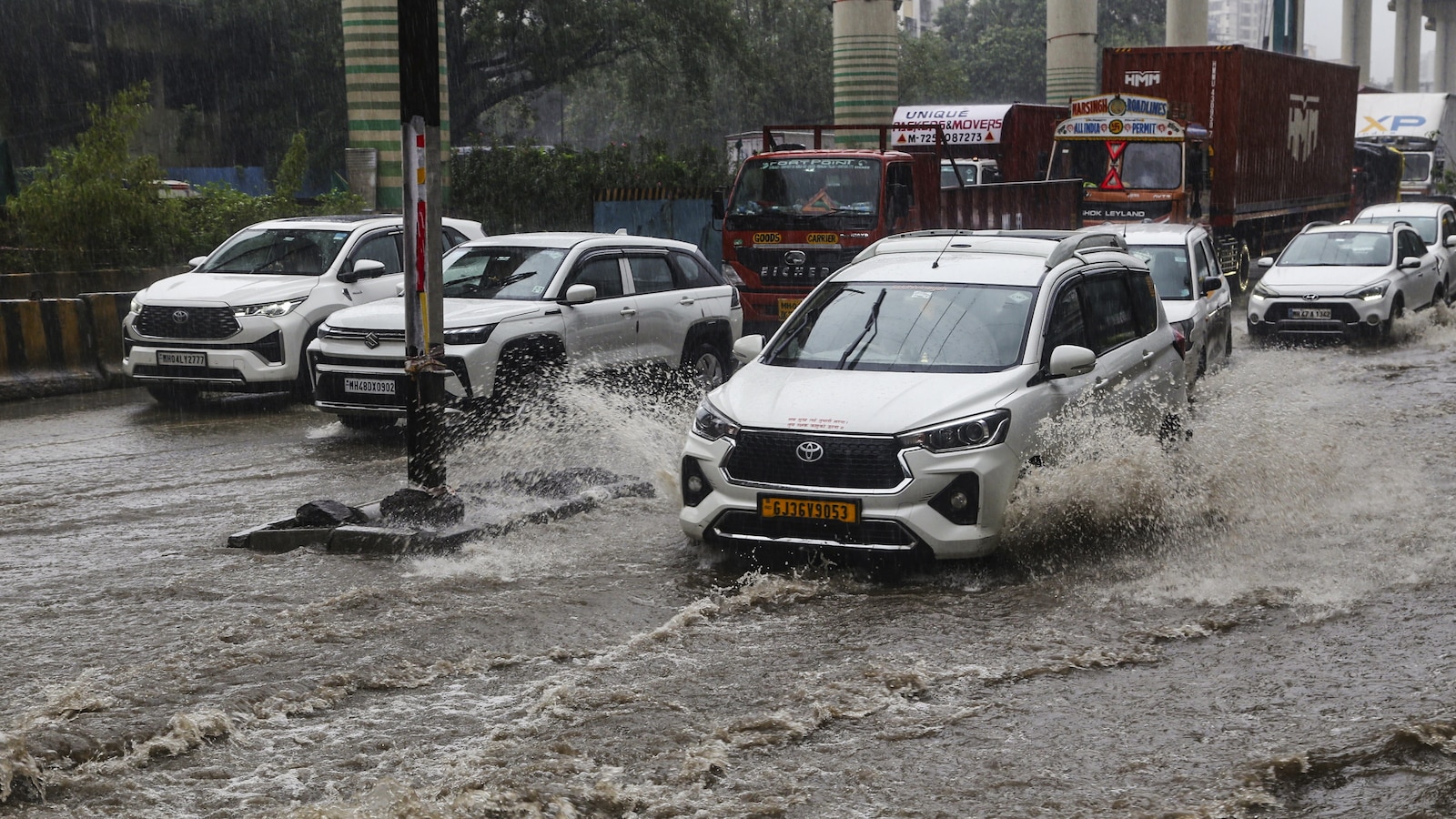
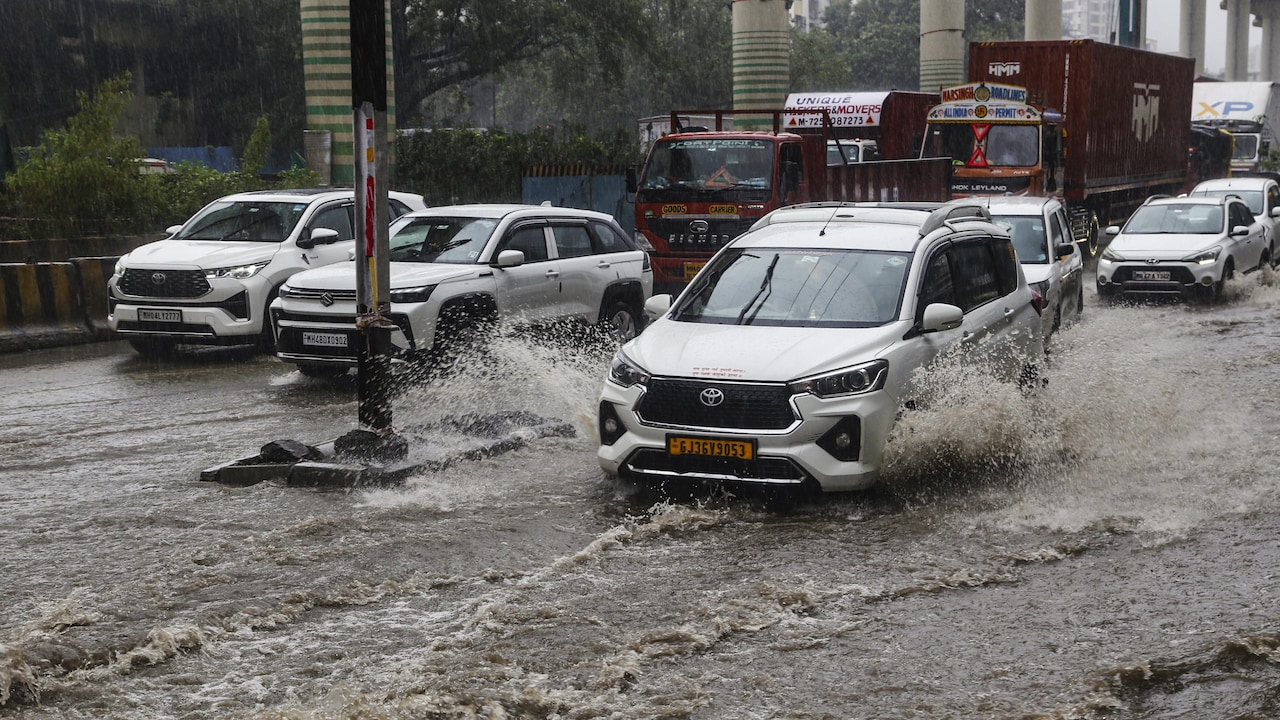
With the arrival of the monsoon, flooded roads have become a familiar sight across many parts of India. Cities including Mumbai, Delhi, Chennai and Bengaluru witness severe waterlogging that leaves countless vehicles damaged annually.
Although comprehensive motor insurance is designed to cover losses arising from floods and water damage, policyholders do not always receive payouts, largely because claims are rejected over avoidable oversights.
Following the right steps immediately after an incident can make the claims process far less complicated and reduce the risk of rejection.
Does Car Insurance Cover Flood Damage?
Yes, but only under a comprehensive policy (or standalone own-damage policy). Third-party insurance does not cover damage to your own vehicle from floods, heavy rainfall, or waterlogging.
Many policyholders assume that a comprehensive motor insurance policy covers everything. The truth is, insurance companies lose thousands of claims every monsoon due to “consequential damage”: harm caused by the driver’s actions after the initial flooding.
The Biggest Reason Flood Claims Get Rejected
If there is only one piece of advice you remember from this guide, let it be this: Do not attempt to start a car that has been sitting in water.
When a car is submerged, water easily slips into the engine compartment and exhaust. If you crank the engine, water can get sucked directly into the cylinders. Unlike air, water does not compress. When the pistons try to travel upward against incompressible water, they bend or break. This catastrophic failure is known as hydro-locking.
Insurers view starting a flooded engine as a deliberate, negligent act that aggravated the damage, rather than an accident caused by nature. Standard comprehensive policies explicitly exclude consequential damage. If you hydro-lock your engine, the massive repair bill will likely come entirely out of your own pocket.
How to Avoid Claim Rejection: Step-By-Step Guide
Do Not Start or Restart the Engine
If your car stalls in water or gets submerged, switch off the ignition, disconnect the battery if safe, and do not attempt to start it. Call for towing instead. This single step prevents hydrostatic lock and preserves your claim.
Document Everything Thoroughly
Before the vehicle is moved, photograph and film the scene thoroughly. Capture the car’s condition, the water level, the registration plate, the surrounding area, and any visible signs of damage. Make a note of the exact date, time and location of the incident, and retain all towing bills and workshop records, as these may be required when filing an insurance claim.
Intimate Your Insurer Immediately
Notify your insurer at the earliest through its customer care helpline, mobile app or email. Share your policy number, a brief account of the incident and the photographs you have taken, and ensure you obtain a claim reference number for future correspondence.
Under the guidelines of the Insurance Regulatory and Development Authority of India, insurers are expected to appoint a surveyor without unnecessary delay and typically settle valid claims within 30 days of receiving all the required documents.
Use An Authorised Tow Service
Arrange towing through the insurer or an authorised roadside assistance provider wherever possible. Unauthorised repairs before inspection may complicate the claim process.
Avoid Repairs Before Inspection
Do not dismantle or repair the vehicle unless the insurer has inspected it or specifically authorised repairs. The insurer’s surveyor needs to examine the damage before settlement.
ALSO READ: Top Five Reasons Health Insurance Claims Are Rejected: All That Policyholder Should Know
Flood damage is one of the most common causes of major motor insurance claims during India’s monsoon season. While a comprehensive motor insurance policy generally covers losses caused by natural calamities, coverage is not unconditional.
The most costly mistake drivers make is attempting to restart or continue driving a vehicle after it has taken in floodwater. Doing so can result in engine damage that insurers may classify as avoidable, leading to claim rejection.
Acting quickly, notifying your insurer immediately, documenting the damage, and avoiding unnecessary interference with the vehicle can significantly improve your chances of a smooth claim settlement.
ALSO READ: Tricked Into Buying Insurance Or Mutual Funds? RBI’s New Rules Could Help You Get A Full Refund
Essential Business Intelligence,
Sharp Market Insights,
Practical Personal Finance Advice, Daily Fuel, Gold and Silver Prices and Latest Stories — On NDTV Profit.



