


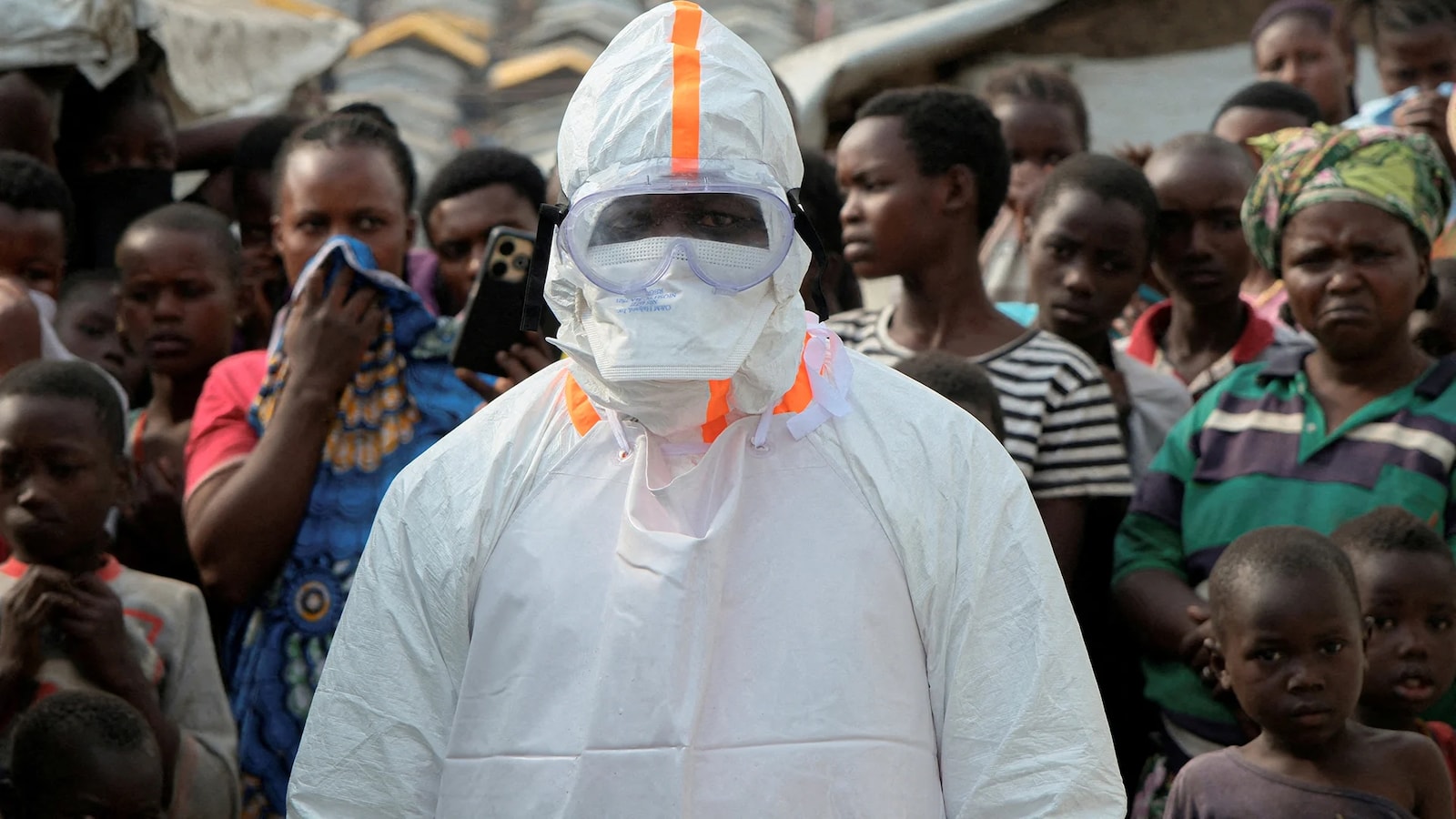
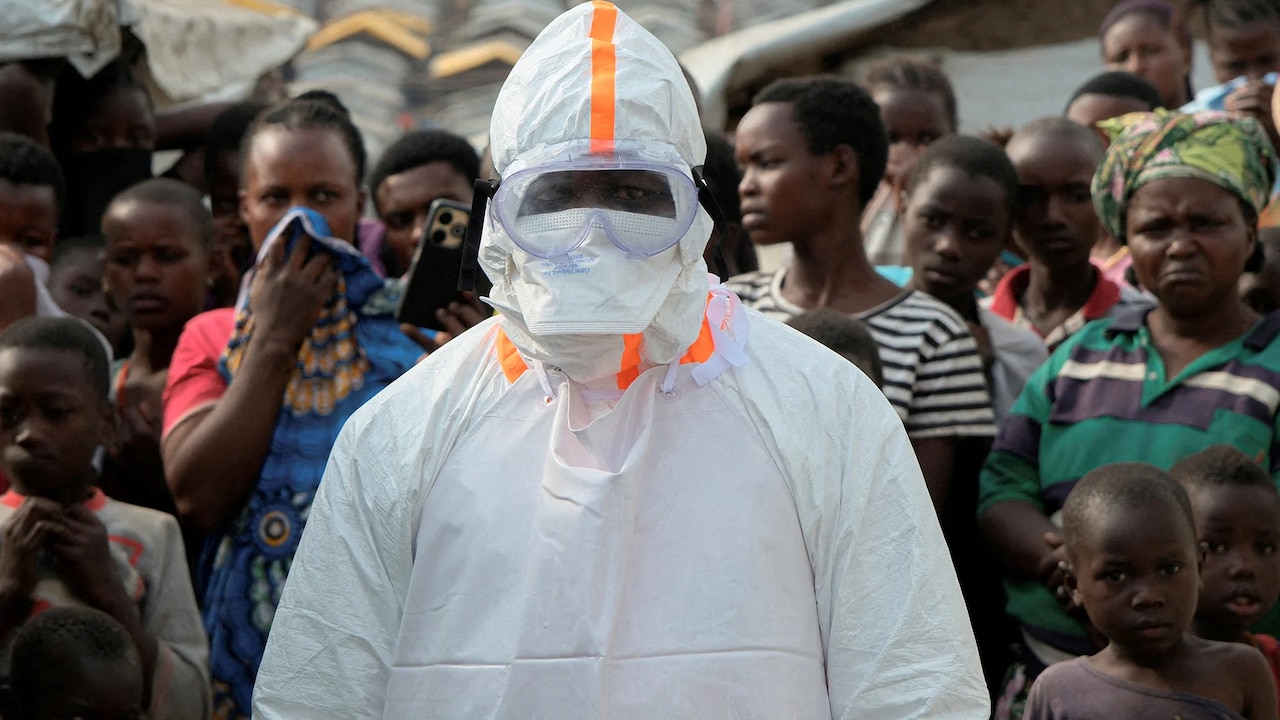
The Democratic Republic of Congo’s (DRC) Ebola outbreak has intensified, with the country reporting 1,830 confirmed cases and 648 deaths, according to the latest figures released by the Congolese Health Authorities.
The World Health Organisation (WHO) believes that the outbreak is spreading largely undetected. WHO warned that the actual scale of the outbreak is likely far greater than what the official reports suggest, with modelling indicating that the true number of infections could be two to four times higher.
ALSO READ: Travel Alert: India Launches Air Suvidha 2.0 For Ebola Screening Of International Arrivals
According to WHO officials, as many as four out of every five new Ebola patients in heavily affcted areas have no known epidomological link to previously identified cases, signalling widespread community transmission.
There have been more than a thousand confirmed cases and hundreds of fatalities so far, with most cases concentrated in eastern DRC. While the global risk remains low, experts worry the outbreak could burgeon into a broader regional health crisis.
“We do not yet have a full picture of how widespread the outbreak is,” Stephanie Psaki, who served as the inaugural U.S. coordinator for global health security at the National Security Council during the Biden administration, told Council on Foreign Relations. It is “probably on track to be the first or second largest before it’s contained,” she said.
Health authorities have said that around 90% of the confirmed infections have been recorded in the Ituri province, particularly in Bunia, Rwampara, Mongbwalu, and Nyakunde, making the region the epicentre of the outbreak.
The virus has also spread beyond Ituri into North Kivu, South Kivu and Tshopo provinces, with suspected infections emerging in previously unaffected areas, according to health officials cited by the Associated Press.
The outbreak is being caused by the Bundibugyo species of the Ebola virus, a relatively rare strain. Unlike the Zaire strain, there is currently no approved vaccine or licensed treatment specifically for the Bundibugyo strain, making it more difficult to contain.
Why is the outbreak worsening?
- Health officials say several factors are accelerating transmission:
- Many infected people are seeking treatment late because the illness may initially appear milder.
- Patients are often cared for at home before being diagnosed.
- Conflict and insecurity are limiting access for health workers.
- Large-scale population displacement is aiding the spread.
- Funding shortages have weakened surveillance and response efforts.
- Misinformation and distrust have led to attacks on healthcare workers and resistance to public health measures.
WHO and Congolese authorities are training approximately 21,000 community health workers to identify, report and refer suspected Ebola patients.
Since no approved treatment exists for the Bundibugyo strain, clinical trials have begun in eastern Congo. Researchers are testing Remdesivir, MBP134 antibody therapy, as well as a combination of both treatments, AP news reported.
The outbreak was officially declared in mid-May 2026. WHO has classified it as a Public Health Emergency of International Concern (PHEIC) because of its risk of regional spread.
Africa CDC has described it as the fastest growing Ebola outbreak in Africa. Experts warn that without proper surveillance, funding and security, it could become one of the deadliest Ebola outbreaks on record.
ALSO READ: Ebola Burial Team Attacked, 11 Patients Flee Care in Widening Outbreak in Congo
Essential Business Intelligence,
Sharp Market Insights,
Practical Personal Finance Advice, Daily Fuel, Gold and Silver Prices and Latest Stories — On NDTV Profit.



