


New ticket barriers are set to be installed at railway stations across England as part of a Department for Transport (DfT) crackdown on fare evasion.
A £33.4 million investment will fund the deployment of taller gates, specifically designed to prevent passengers from jumping over them, alongside additional standard waist-high barriers.
This move addresses an estimated annual loss of £350 million to £400 million in fares revenue, attributed to fraud and ticketless travel by industry body the Rail Delivery Group.
The DfT stated the new barriers will be strategically placed at identified “fare dodger hotspots”.
These operators have been allocated funding to install the barriers at:
- Avanti West Coast: Liverpool Lime Street and Stafford.
- East Midlands Railway: Market Harborough.
- Greater Anglia: Hertford East, Manningtree, Rayleigh, Ware and Witham.
- Thameslink Southern Great Northern: Elephant and Castle, Gipsy Hill, Royston, Stevenage and Worthing.
- TransPennine Express: Manchester Piccadilly.
- West Midlands Trains: Nuneaton, Tamworth, Worcester Foregate Street and Worcester Shrub Hill.
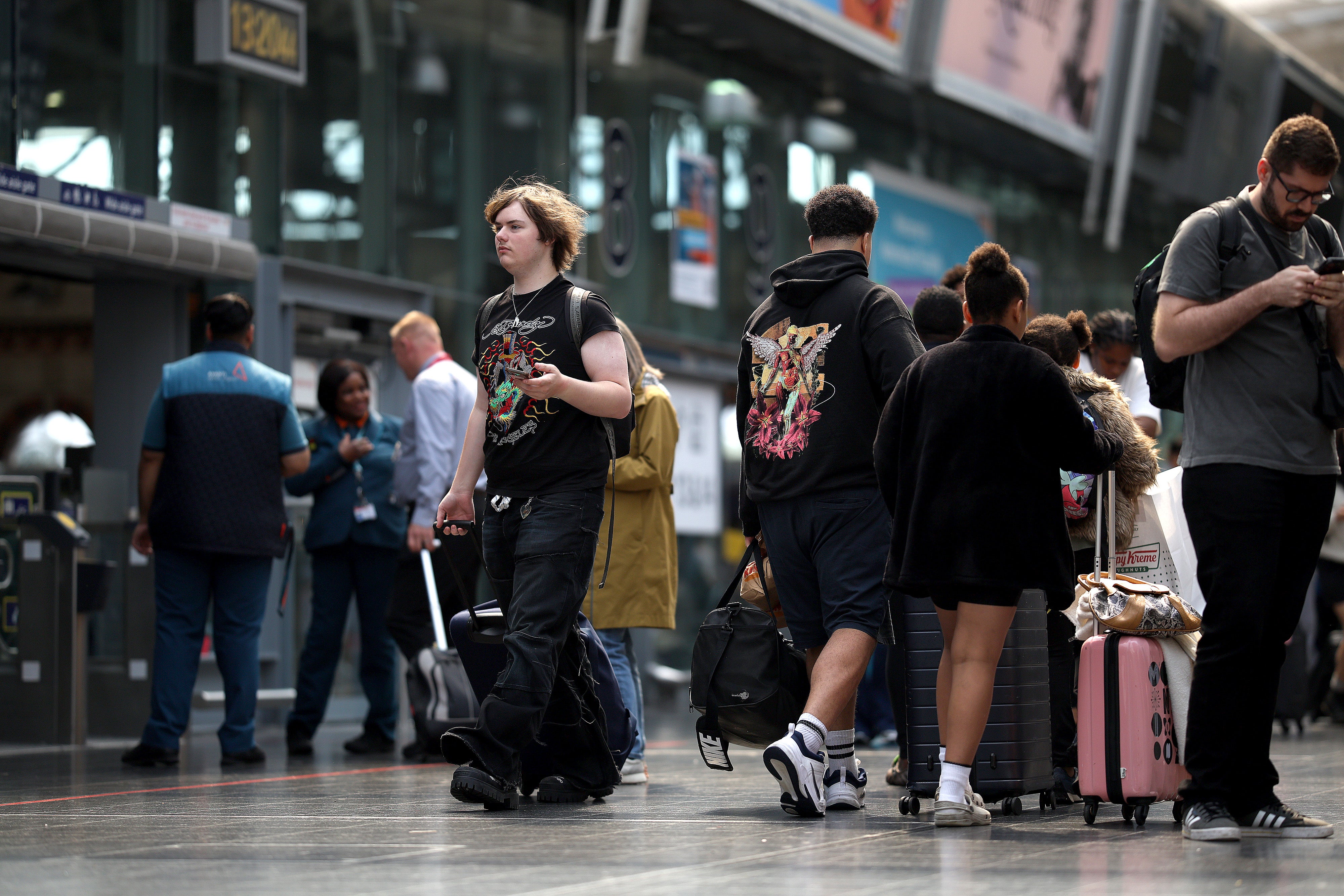
Rail minister Lord Hendy said: “Fare evasion is not a victimless crime – it undermines confidence in the railway and means passengers lose out on millions in revenue which should be invested to improve services for everyone.
“By stopping fare dodgers before they reach the platform, we’re protecting taxpayer cash, supporting investment in the network and ensuring the railway works better for the millions of passengers who do the right thing every day by paying their way.”
The rollout of the new gates is expected to begin in the first half of next year, and be completed by mid-2028.
The cost to the rail industry of people travelling without a ticket is an estimated £330 million per year – about 3.2 per cent of rail revenue. This figure correlates to the estimate from one train firm, TransPennine Express, that 3.5 per cent of passengers travel without a ticket.
A spokesperson for the Rail Delivery Group (RDG), representing train operators, said: “Fare dodging is unfair because it means less money to invest in improving services and increases the burden on fare-paying passengers and taxpayers.”
In 2023, the standard Penalty Fare increased from £20 to £50 (or £100 if the errant passenger has not paid within 21 days). This applies in England and Wales.
In Scotland, a “minimum fare” of £10 is being rolled out from July 2026, designed to crack down on faredodging.


