

























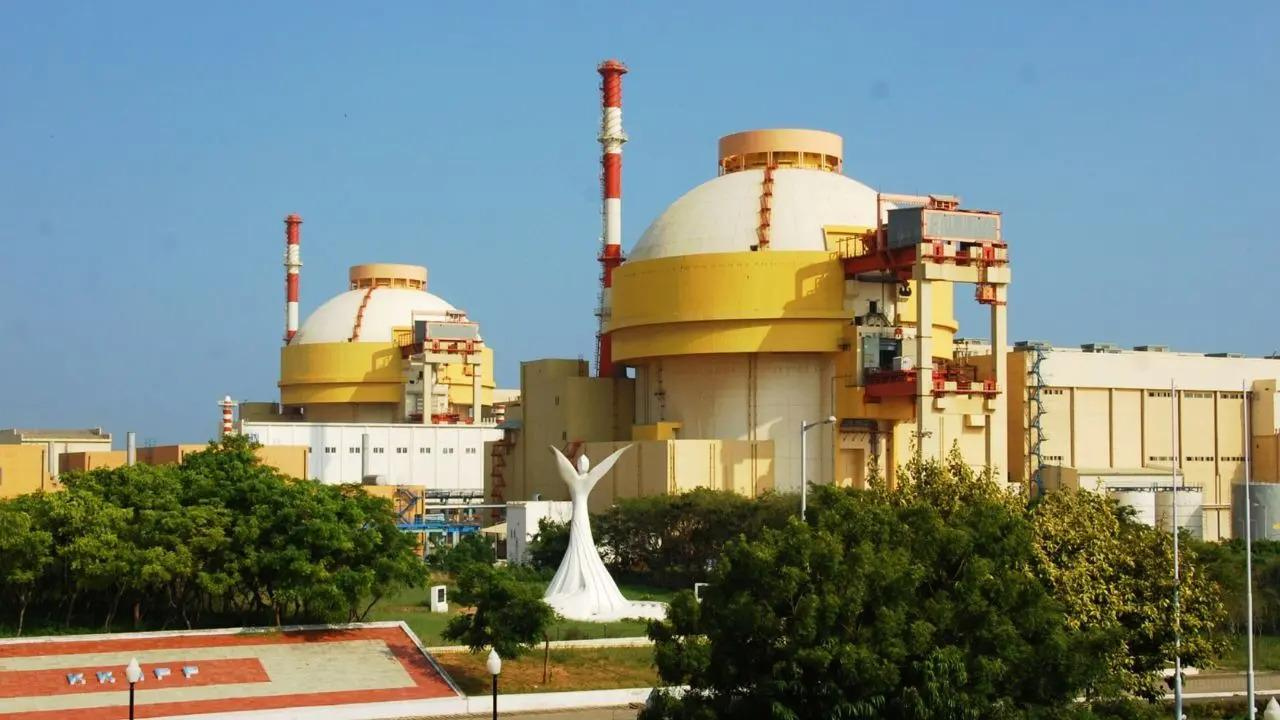
NEW DELHI: Nuclear Power Corporation of India Limited (NPCIL) on Wednesday said the reported data breach involving the Kudankulam Nuclear Power Project pertains only to conventional Balance of Plant (BoP) facilities and not to any nuclear safety or security systems.This comes after news agency Reuters reported that a hacker group named World Leaks posted on the dark web what it claimed were more than 19,000 sensitive files related to the Kudankulam Nuclear Power Plant in Tamil Nadu.NPCIL said the Engineering, Procurement and Construction (EPC) contract for the Common Services–Balance of Plant (BoP) package was awarded to Reliance Infrastructure Ltd. in 2018 through a public tender process.“With reference to reports circulating in the media regarding the Kudankulam Nuclear Power Project (KKNPP) Units 3 and 4, it is clarified that the Engineering, Procurement and Construction (EPC) contract for the Common Services–Balance of Plant (BoP) package was awarded to M/s Reliance Infrastructure Ltd. in 2018 through a public tender process,” it said.“As part of the public tendering process, NPCIL provided indicative drawings and technical specifications to the bidders. Based on these inputs and the requirements of the project, the EPC contractor, M/s Reliance Infrastructure Ltd., prepared detailed engineering drawings in consultation with the respective Original Equipment Manufacturers (OEMs). The designs proposed by Reliance Infrastructure Ltd., meeting the technical specifications, were accepted by NPCIL after review.”According to NPCIL, the scope of the EPC contract covers engineering, procurement and supply, construction, and commissioning of common service facilities.It added that these facilities are conventional in nature, similar to those used in thermal power plants and other process industries, and are not connected to nuclear safety or nuclear security systems.“NPCIL reiterates that the information claimed to be available in the public domain pertains only to conventional Balance of Plant (BoP) common service facilities and does not relate to any nuclear safety- or nuclear security-related systems or information,” the release said.What the leaked files containDocuments reviewed by Reuters include engineering blueprints for ventilation and cooling systems, floor layouts of a common control room, equipment inspection reports, supplier lists and vendor proposals, meeting records, and insurance policies.Reuters reviewed the leaked documents, dated from 2016 to mid-2025, but could not verify their authenticity.The documents primarily relate to Units 3 and 4 of the Kudankulam plant, which are currently under construction and are expected to become operational by 2027. They do not appear to include designs for the nuclear reactors’ core systems, which are supplied by Russia’s state-owned Rosatom.




 on Wednesday said the reported data breach involving the Kudankulam Nuclear Power Projec.)