


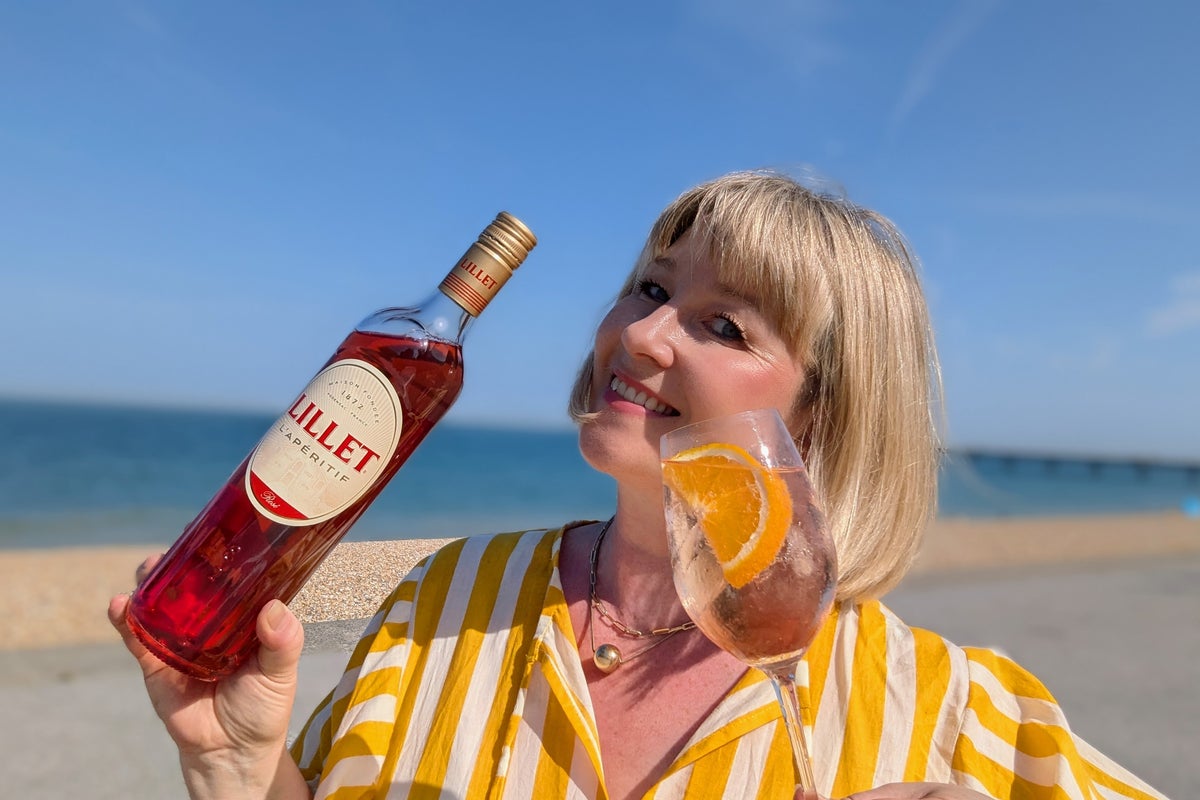
Is a spritz the perfect summer drink? Probably. It’s nearly always served over ice and can legitimately be drunk with a straw. (Yes, I’m a grown woman, and yes, I like a straw – so what?!)
Most importantly, it can transport you to diamond-glinted waters with just one sip, even if you’re just in your local park with your mates. But best of all, it’s a drink you can easily make lower in alcohol to keep things fresher and lighter.
Our spritzy love affair is still in its honeymoon period. Aperol only started popping up in bars in the UK from about 2015. I had a memorable first encounter with the neon-orange drink at a wine fair in Italy just before this, and couldn’t understand why it wasn’t everywhere. Fast forward to now, and it’s on every back bar and dusty pub shelf up and down the country.
But there’s more to spritz than Aperol. Our European neighbours have been spritzing for more than 100 years, well aware that this lighter style of drink, with its chic bittersweet base, is a perfect alternative to full-strength wines or high-octane cocktails, and is the only way to welcome the early evening on a summer’s day.
Ignore the measurements on the bottle to keep it lighter
This is the most important rule when mixing a spritz. Instructions for making the perfect drink often suggest going heavy on the alcoholic part. Of course it does; you’ll need to buy another bottle quicker that way. But instead, opt for “lighter and longer” by mixing one part base of choice, two parts sparkling wine, and three parts soda. You can always skip the sparkling wine altogether and just go heavy on the soda.
Rediscover the joy of a white wine spritzer
This is the absolute original spritz. If you have images of Essex mums on a night out circa 1988, or, even better, Frasier Crane’s legendary first line for his character debut on Cheers, “I’ll have a white wine spritzer”, then banish them now. The white wine spritzer is cool.
At a recent lunch with a group of Austrian winemakers from the region of Neusiedler See, which produces some seriously high-quality wines at very affordable prices, they all ordered the same thing to start: a G-spritzter. If it’s good enough for those guys, it’s good enough for me. This was a 50/50 mix of white wine (think zesty whites) with sparkling water. Some also asked for it 30/70, leaning heavily on the sparkling water.
They explained that it’s common to order a “Liter-Liter”: a carafe of house wine, a litre of sparkling water, and some ice for the table so people can mix their own. I’ve long loved a white wine spritzer (it’s not just because I’m from Essex), and it’s time you rediscovered them too, without a hint of irony or embarrassment.

If you’re abroad this summer, be adventurous
I love wandering the wine aisles in continental European supermarkets to drink in their unending array of products that can be spritzed. If you’re away this summer, perhaps you can do the same?
Some of my favourites include Cynar, which unfortunately has been branded as being “made with artichokes”. I can assure you it does not taste like artichokes. It’s a wonderfully bittersweet amaro (an Italian herbal liqueur made by macerating botanicals such as herbs, flowers, citrus peels and bark in a wine base or neutral alcohol), which, when mixed with a dash of prosecco and soda, is like a super fun grown-up cola with hints of cinnamon, orange and caramel.
Pineau des Charentes is a French aperitif from the southwest of France made by blending unfermented grape juice with cognac. I love this served over ice and either mixed with soda or a soda and Cremant.
Picon is a real French bar favourite. There’s the classic mixed with beer, or Picon Club, which makes a tasty spritz mixed with either Cremant or still white wine and topped up with soda. Or for a hoppy low-alcoholic twist, try mixing it with non-alcoholic beer served over ice and a slice of orange.
Don’t scrimp on the soda water, and consider switching your tonic water too
Sparkling water is your best friend here to keep alcohol (and indeed calories) lower, and if you decide to use tonic water, it’s an easy switch to slimline as the flavour difference isn’t overt when used as a mixer.
High-quality options such as Schweppes or Fever-Tree’s Refreshingly Light Tonic Water work well and have significantly lower sugar levels than their full-dose siblings. There are approximately 7 to 9 grams of sugar per 100ml in regular tonic and around 0 to 4 grams per 100ml in slimline.
For some further inspiration, here are some of the best spritz bases available at the moment.
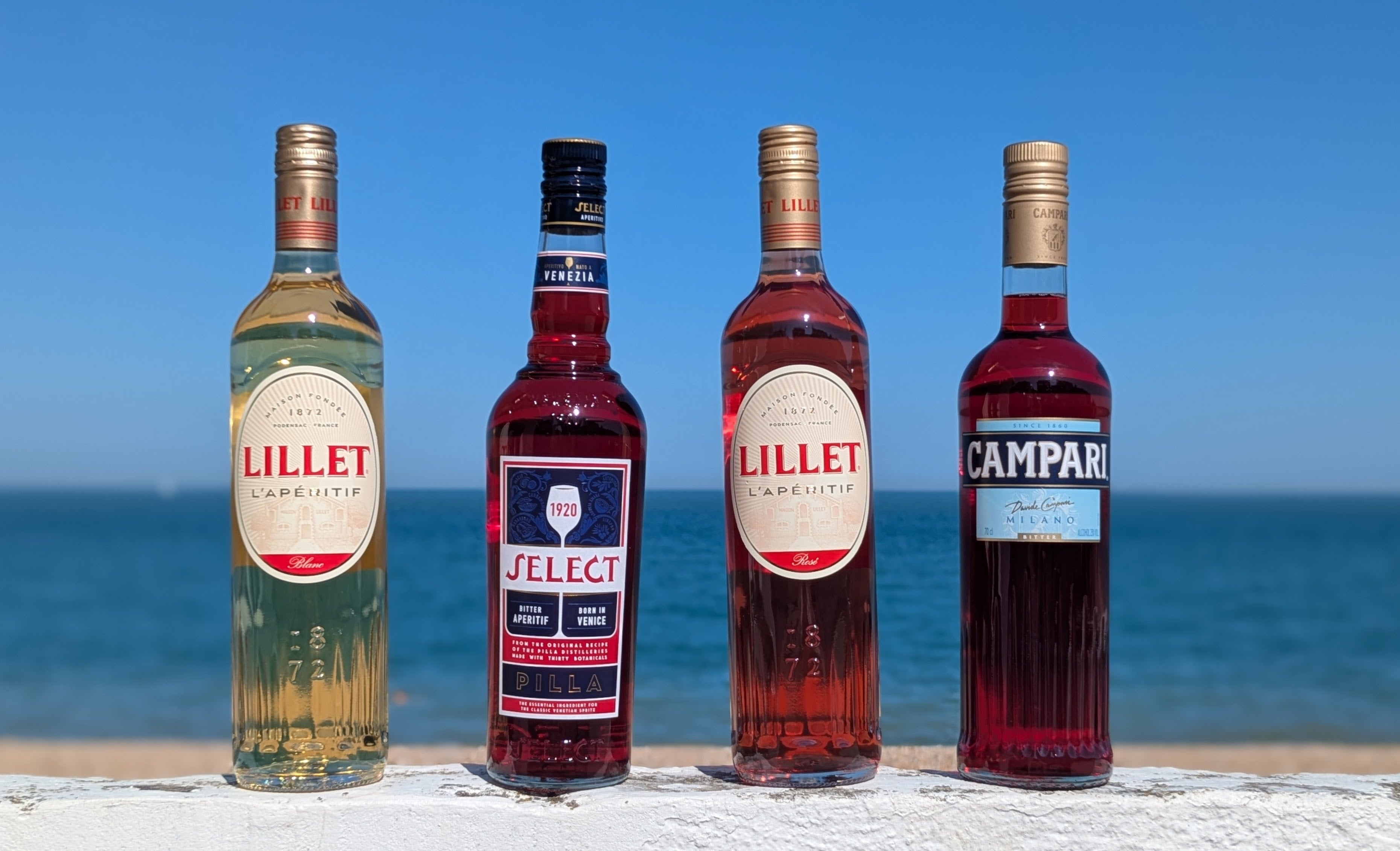
Lillet Blanc, France
Ocado, £20.10, 17% ABV
Call it the Emily in Paris effect, but this product has slowly been gaining a band of loyal followers, of which I’m one. Sales have gone from a modest 70,000 cases in 2008 to a recent estimation of 1.3 million cases. Made in the Bordeaux region of France, it’s a delicately floral, citrus-lifted aperitif that is wonderful mixed with Cremant de Bordeaux, soda water and a generous wedge of citrus. It also mixes well with tonic.
Select Aperitivo, Italy
Majestic, £15, 17.5% ABV
Don’t ask for an Aperol in Venice. They may serve you grudgingly, but if you want to do as the locals do, then order a “Select” spritz instead. Not quite as bitter as Campari, but definitely not as sweet as Aperol, it blends rhubarb root and juniper berries along with a secret recipe of 30 botanicals to create a perfectly balanced, bittersweet aperitif that’s traditionally garnished with an olive. Serve with prosecco or soda.
Lillet Rose, France
Ocado (and other retailers), £20.65, 17% ABV
Lillet comes in three colours, and this one is always the prettiest with its aromas of orange blossom, grapefruit zest and summer gardens in bloom. It’s beautifully versatile and can be mixed with tonic water, grapefruit tonic water, or mixed with a little Cremant and soda instead.
Campari, Italy
Sainsbury’s, £19.50 (or £15 with Nectar until 21/7/26), 20% ABV
An absolute classic and my default drink in pretty much any UK pub, which will immediately transport you to a sun-drenched Italian piazza. You really should graduate from Aperol to this grown-up bittersweet joy that’s a riot of orange zest, blood-orange tangy rhubarb and a hint of burnt caramel. The humble Campari soda, made with generous amounts of ice, soda and a slice of orange is close to a perfect spritz. You can, of course, add any sparkling wine of choice too.
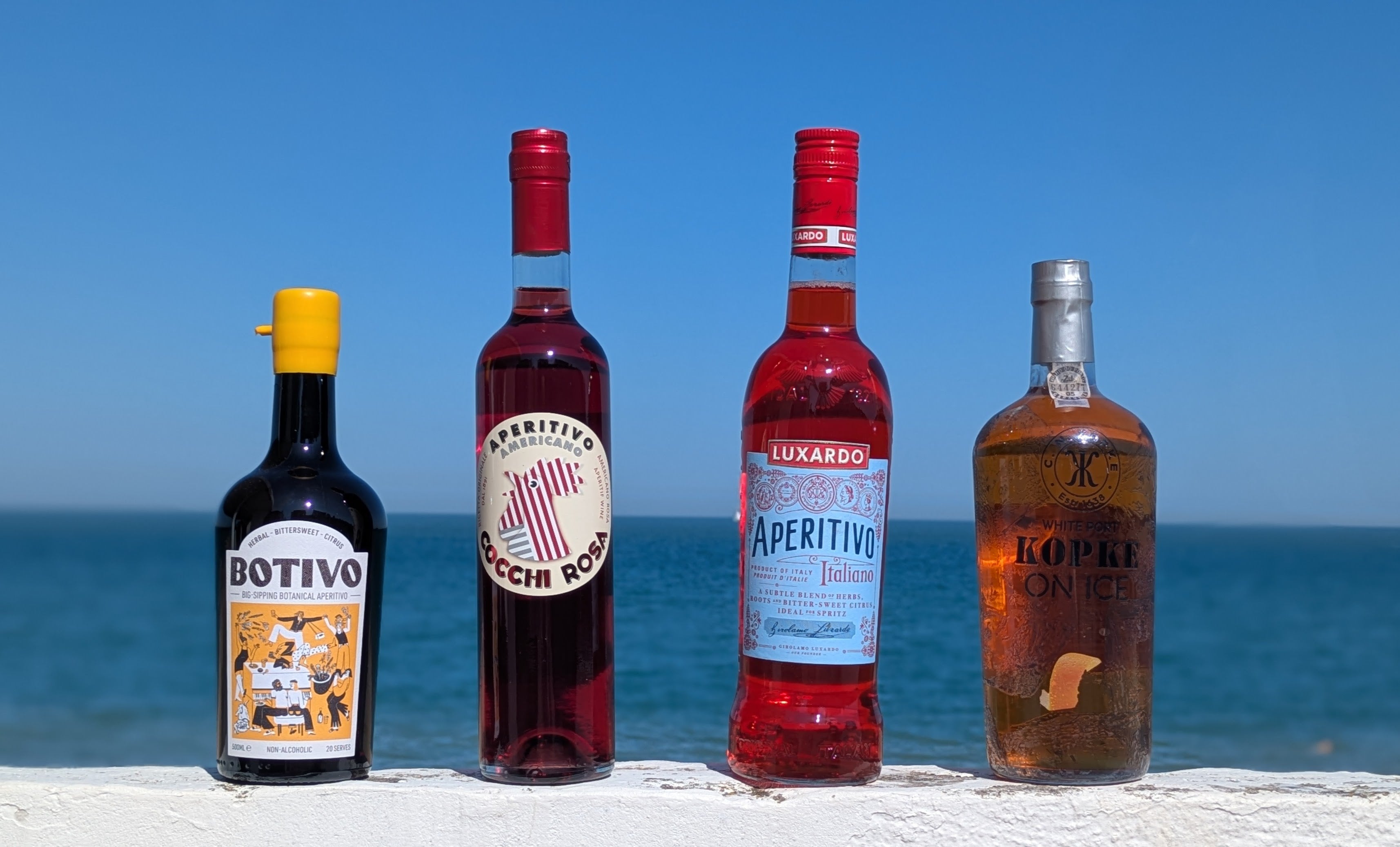
Botivo Botanical Non-Alcoholic Aperitivo, UK
Waitrose, £27.50, 0.0% ABV
A perennial favourite, a Botivo spritz always feels smart and tastes fantastic. A medley of bitter-sweet citrus orange alongside the bitterness of wormwood and rosemary wrapped in the comforting warmth of a touch of honey. It’s pricey, but a little goes a long way with this drink. Best served simply with ice, slice and a good glug of soda or tonic.
Cocchi Rosa Aperitivo, Italy
Waitrose, £20 (or £18 until 21/7/26) 16.5% ABV
Cocchi vermouths are some of the best, made in the Piedmontese town of Asti in northwestern Italy. This particular expression is one of my favourites. It’s a delicate blend of rose petals, dried citrus zest and warming ginger, which feels so invigorating. The deep-hued pink comes from the addition of red wine, not colourants. I love a simple serve with ice, soda and a slice of pink grapefruit or a rosé sparkling to emphasise the beautiful colour.
Luxardo Aperitivo, Italy
Wonderfully low in alcohol, this is a natural graduation from Aperol, with notes of ruby-red grapefruits, dried orange zest and a delicate bitter-earthy note, but not a hint of any aggressive bitterness. It makes a tasty Bicicletta by mixing about 50ml of Luxardo with the same amount of crisp white wine and topped with soda, or, if you can find it, some of San Pellegrino’s bitter amaro orange soda.
Kopke on Ice White Port, Portugal
Jeroboams, £24.95, 19.5% ABV
What a joyful drink. This light and lifted white port is brimming with notes of acacia honey, dried apricots and nectar-juice-filled peaches. Created by Kopke, one of Portugal’s oldest and most prestigious port houses, it’s designed to be enjoyed over ice with a zest of orange, mixed with tonic, or used in your cocktail experimentations of choice. It’s a refreshing reminder of why Port really is a perfect pour.



