


Tehran:
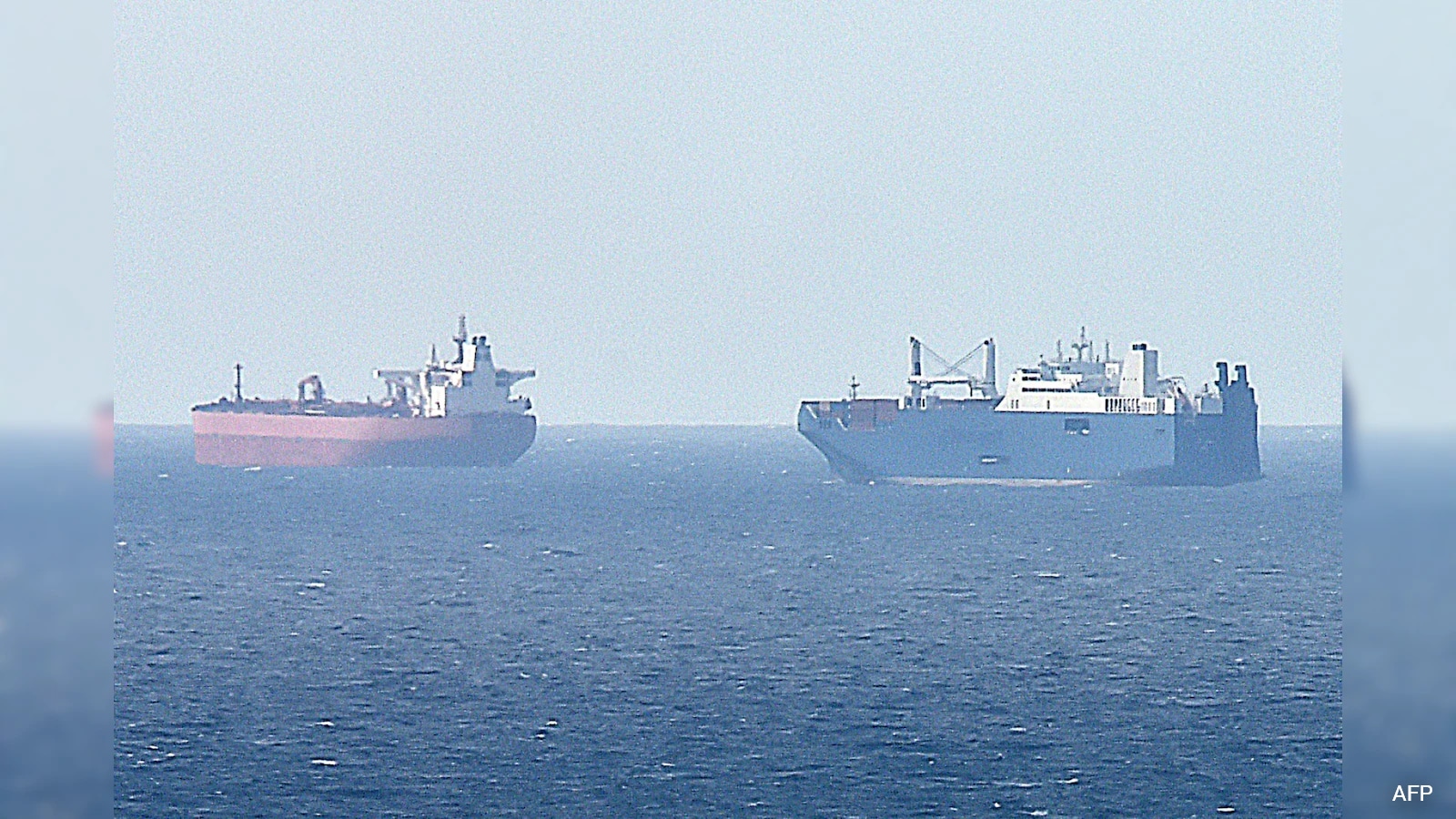
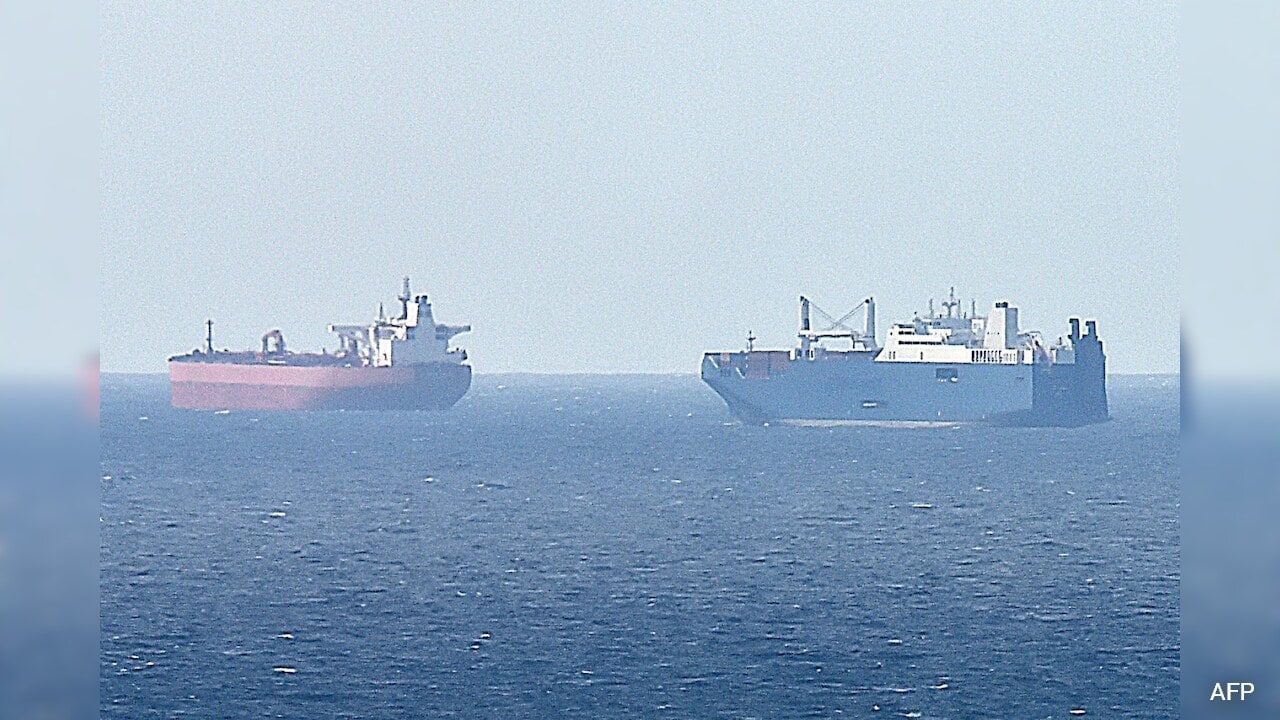
Three Saudi oil tankers, carrying crude for India and China, had made a U-turn in the Red Sea rather than braving the Yemeni coast at the sea’s mouth following a warning from Yemen’s Iran-aligned Houthi militia. The oil tankers — the Xin Long Yang, the Rodos and the Amazon — were headed towards the Suez Canal when the warning came, according to a report by news agency Reuters
The changes in direction by the vessels suggest a second potential disruption to a major shipping route from the Middle East that could compound the shortfall in global energy markets, already under crisis due to the closure of the Strait of Hormuz.
The Houthi Warning
Earlier this week, the Iran-backed Houthis declared a naval blockade against Saudi Arabia, opening a potential new front in the US-Israeli war with Iran. The move has raised the threat to global energy supplies and trade beyond the Gulf.
The rebel group, in an email sent to shipping companies, warned them not to load or discharge cargo at Saudi Arabian ports and said such activity may result in being targeted “in any location.”
Why The Warning Matters
The rebels, who are part of Iran’s Axis of Resistance, control northern Yemen, including the coast of the Bab el-Mandeb, the strait at the mouth of the Red Sea. The strait, also known as the “Gate of Tears,” connects the Red Sea to the Gulf of Aden and the Indian Ocean.
Since the blockade at the Strait of Hormuz — which connects the Persian Gulf to the Gulf of Oman and the Arabian Sea — Saudi Arabia’s Red Sea port of Yanbu has become the main alternative route for Middle East oil, allowing exports of millions of barrels per day.
Quoting insurance industry sources, Reuters has reported that war risk insurance costs have already risen in the past 24 hours, with risk assessments for Saudi ports being re-evaluated.
“Vessels calling at Saudi Arabian ports are advised to reconsider transiting the Red Sea and to consider implementing enhanced mitigation measures,” British maritime security company Ambrey said, adding that it assessed vessels calling at Saudi Arabian ports “were at high risk”.
In recent months, after the war started at the end of February, on average 10 crude tankers have sailed through the Bab el-Mandeb daily. With Houthis forcing tankers to use the Suez Canal rather than exit the Red Sea through the Bab el-Mandeb, weeks will be added to shipments to customers in Asia, requiring sailing through the Mediterranean and around Africa.
The U-Turns
China-bound Xin Long Yang, a very large crude carrier (VLCC), completed the loading of 2 million barrels of Saudi crude at Yanbu on Monday. It made a U-turn before the Red Sea and was heading to Suez instead, shipping data showed.
The smaller tanker Rodos, which had loaded about 700,000 barrels of Saudi crude for India, also made a U-turn for Suez on Tuesday, according to the data.
The Suezmax tanker Amazon, which loaded crude on Tuesday for India, also headed to Suez. The tankers switched off their transponders on Tuesday.
Dynacom Tankers Management, which manages Rodos and Amazon, and Cosco Shipping, manager of Xin Long Yang, did not immediately issue any statement on the matter.
Another VLCC, New Prime, which was scheduled to arrive at Yanbu later this week to load crude, has also turned back off Oman before entering the Red Sea.
According to Reuters reports, Yanbu was still operating to load oil onto ships that were already in the Red Sea or arriving via Suez.
Ships Switching Off Trackers
Ship tracking data showed a tanker, the Olympic Luck, which had passed into the Red Sea through Suez, was still heading for Yanbu, as were several ships that were already close by. However, most tankers sailing in the Red Sea or loading at Yanbu port have switched off their transponders since Tuesday.
“While an actual blockade seems unlikely given the resources required for such an undertaking, a step-up in hostilities could see Houthis targeting Saudi-associated ships transiting the Bab el-Mandeb Strait,” ship broker Clarksons said.
“However, should Houthis affect traffic through the region, we could see a reshuffling of crude cargoes in which Yanbu volumes are increasingly directed towards Europe.”
Fully laden VLCCs transiting the canal must first unload some of their oil, which can bypass the canal by being pumped through the SUMED pipeline to the Mediterranean.



