















.jpeg "‘Broad Strokes’ Star Cat Cohen’s Oura Ring Scores Have Never Been Higher")




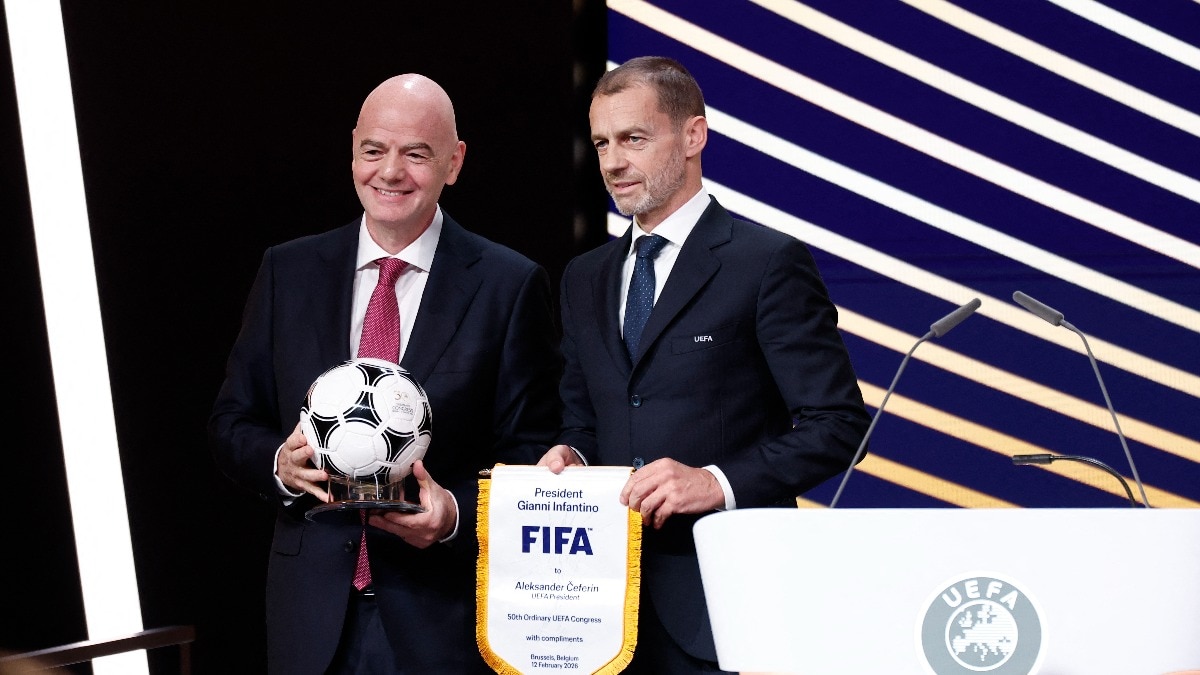


The American Federation of Musicians has filed an amended complaint in its lawsuit against Universal Music Group and Warner Music Group, accusing the majors of breaching their union contract by failing to pay musicians for recordings licensed to AI companies Suno and Udio.
The union alleges that Universal and Warner licensed recordings made by its members to the two AI companies “without compensation or credit.”
The First Amended Complaint, filed in the US District Court for the Southern District of New York on Friday (July 24), names Warner Records, Inc. and Atlantic Recording Corp. as defendants, alongside Universal Music Group, Inc.
You can read it in full here.
The AFM had initially named Warner Music Group Corp., but said it would amend after Warner argued that the parent company was not a proper party to the case.
The union first sued the majors in the same court on June 5.
At the heart of the case is the “new use” provision of the Sound Recording Labor Agreement, the union’s collective bargaining agreement with the major labels.
The AFM argues that Article 21 of the agreement requires signatory companies to pay musicians, and to notify the union, when their recordings are used for a purpose the agreement does not cover.
Licensing recordings to train generative AI models is such a new use, the union says, and it claims the SRLA covers thousands of the recordings that Universal and Warner licensed to Suno and Udio.
In their 2024 copyright lawsuits against the two AI companies, the labels alleged that Suno and Udio were “replacing the work of human artists with massive quantities of AI created sounds … that substantially dilute the royalty pools paid out to artists.”
Following settlements with the AI companies in late 2025, the complaint says, Universal and Warner are now letting the same companies use members’ recordings to train models that generate new music.
Based on the labels’ public statements and media reports, the union alleges that Universal and Warner were paid for past infringement and for licensing their catalogs, and will earn further revenue as Suno and Udio continue to use the recordings.
The complaint points to the majors’ own words, noting that Universal described its Udio settlement as a “commitment to do what’s right by our artists and songwriters.”
Warner CEO Robert Kyncl called the company’s Suno deal “a victory for the creative community that benefits everyone.”
The AFM says the labels have “failed to share in the settlement proceeds and future revenue” with the artists whose recordings were used, despite what it calls their “self-congratulatory claims” of protecting those same artists.
Both majors are seeking to have the case dismissed.
In a July 7 letter requesting a pre-motion conference, Universal argued that Article 21(a) is “a rate-conversion provision, not an open-ended royalty provision,” covering only new uses for which another AFM agreement already sets a rate.
Warner, in a letter filed on July 10, said the union had brought the lawsuit “in an improper attempt to place a judicial thumb on the negotiation scales.”
The AFM urged Judge Edgardo Ramos to reject the majors’ bid. At a pre-motion conference on July 21, the judge granted the union leave to file the amended complaint — which it did on July 24 — and granted both majors leave to move to dismiss the amended complaint, with opening briefs due August 14 and briefing running through September 11.
Universal settled its copyright case against Udio in October 2025, agreeing to build a licensed AI music platform.
Warner settled with Udio in November 2025 and days later became the first major to settle with Suno, which acquired Warner‘s Songkick platform as part of the deal.
Udio‘s forthcoming licensed service, reported to be called Starstruck, is to let fans generate covers, remixes and new tracks based on specific opted-in artists and recordings.
Sony Music, which has not settled with either AI company, is not a party to the AFM case.
The three majors first sued Suno and Udio in 2024, in a case coordinated by the RIAA that alleged “mass infringement” of copyright.
The AFM and the labels are negotiating the next SRLA, with AI at the center of the talks.Music Business Worldwide



