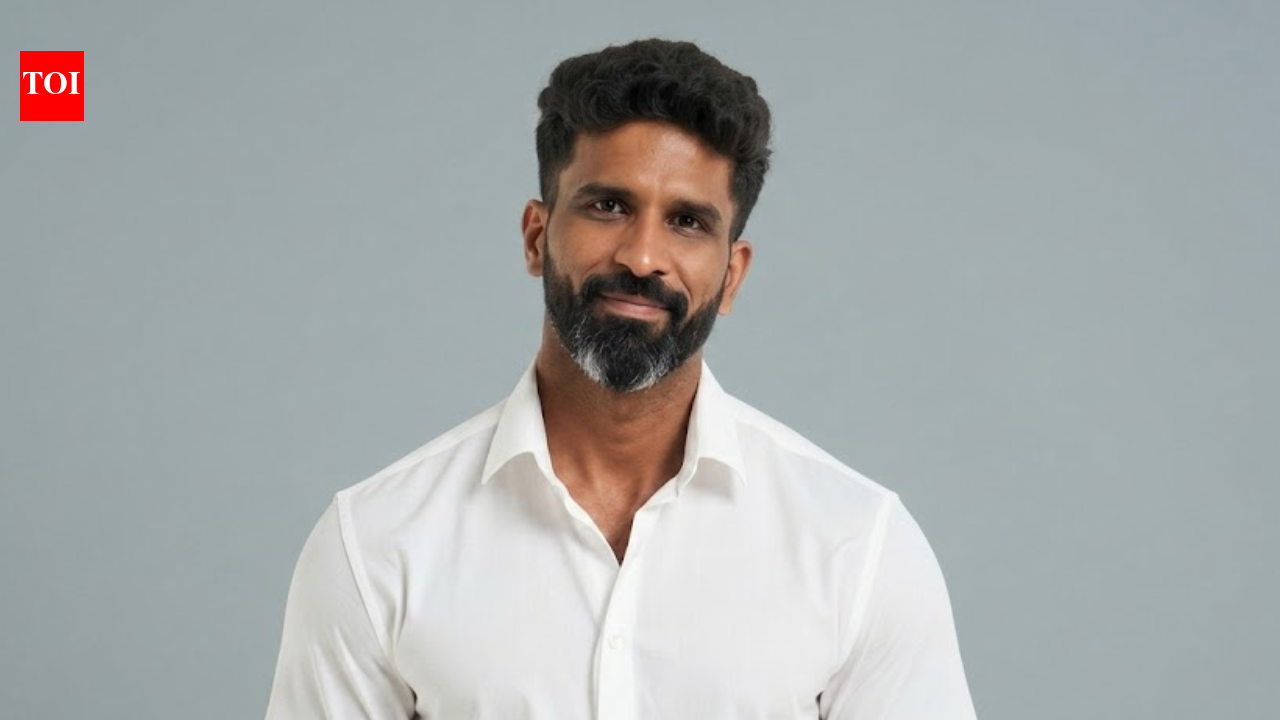
Professor Hakan Karaosman, Politecnico di Milano
Miss Dior, by Justine Picardie
Miss Dior is a wartime story of fascism and hope, exploring the beautiful relationship between the legendary Christian Dior and his beloved younger sister, Catherine. Catherine was a member of the French Resistance who was arrested in July 1944 and deported to Ravensbrück concentration camp, where she was brutally tortured. When she escaped and returned to Paris in May 1945, she came back as a different person — emancipated, more powerful, and yet more vulnerable. When Christian Dior showed his debut collection in 1947, launching the New Look, Catherine was in the audience. And one of the brand’s most iconic fragrances, Miss Dior, was a direct tribute to Catherine, inspired by the jasmine and roses Catherine adored in their childhood garden.
This book teaches us how to embrace trauma, how to act with empathy, and how to love one another. It is a reminder that fashion can act as a political catalyst and that it can heal. But this tender, emotional story also exists in an industry that has been characterized by power asymmetry and elitism, where the ones in power benefit at the expense of the vast majority. Fashion needs to wake up and realize that things can be beautiful, but to do this, the business model, governance, and supply chain management structures underpinning fashion must be transformed — through solidarity, collaboration, love, and resistance.
Vanessa Barboni Hallik, founder and CEO of Another Tomorrow
Whole Earth Catalog
The Whole Earth Catalog is a foundational classic magazine, offering a host of solutions, from DIY geodesic domes to new approaches to food systems. I grew up reading this series at home — a blessing from my parents — and its throughlines continue to inspire me. It demonstrates the power of curiosity, agency, and the interdisciplinary systems-thinking approach that is essential if we are going to move through this metamorphosis toward new systems that support the earth and help humans thrive.
At its core, is a reminder that we are all deeply interconnected, and so are our systems for living. Fashion, food, the built environment — no system exists in a silo. Fashion is generally either an agricultural or petrochemical product, so there are deep learnings and common or complementary approaches between fashion and food, particularly in regenerative agriculture. The same is true for fashion and the built environment, where concepts like circularity, materials and empathetic design offer new opportunities for dialogue — an intersection Another Tomorrow has been exploring in our new discussion series, New Earth Dialogues.
Isabella Rose Davey, COO of Copenhagen Fashion Week and founder of Conch Books
The Death of the Artist: How Creators Are Struggling to Survive in the Age of Billionaires and Big Tech, by William Deresiewicz
This recommendation actually came from 1 Granary founder Olya Kuryshchuk. It’s an exploration of the sustainability of artistic practice. Entering into a creative career has never been more entrenched with obstacles, and the desire to make a living from a creative output seems more at odds with global expectations. Exploring the economics of art in the digital age, this book dissects ideas about art and the artist’s role in society — a topic all of us inhabiting the creative industry should consider and put our energy behind, before the next generation of creatives are affected even further.