

















New Delhi:
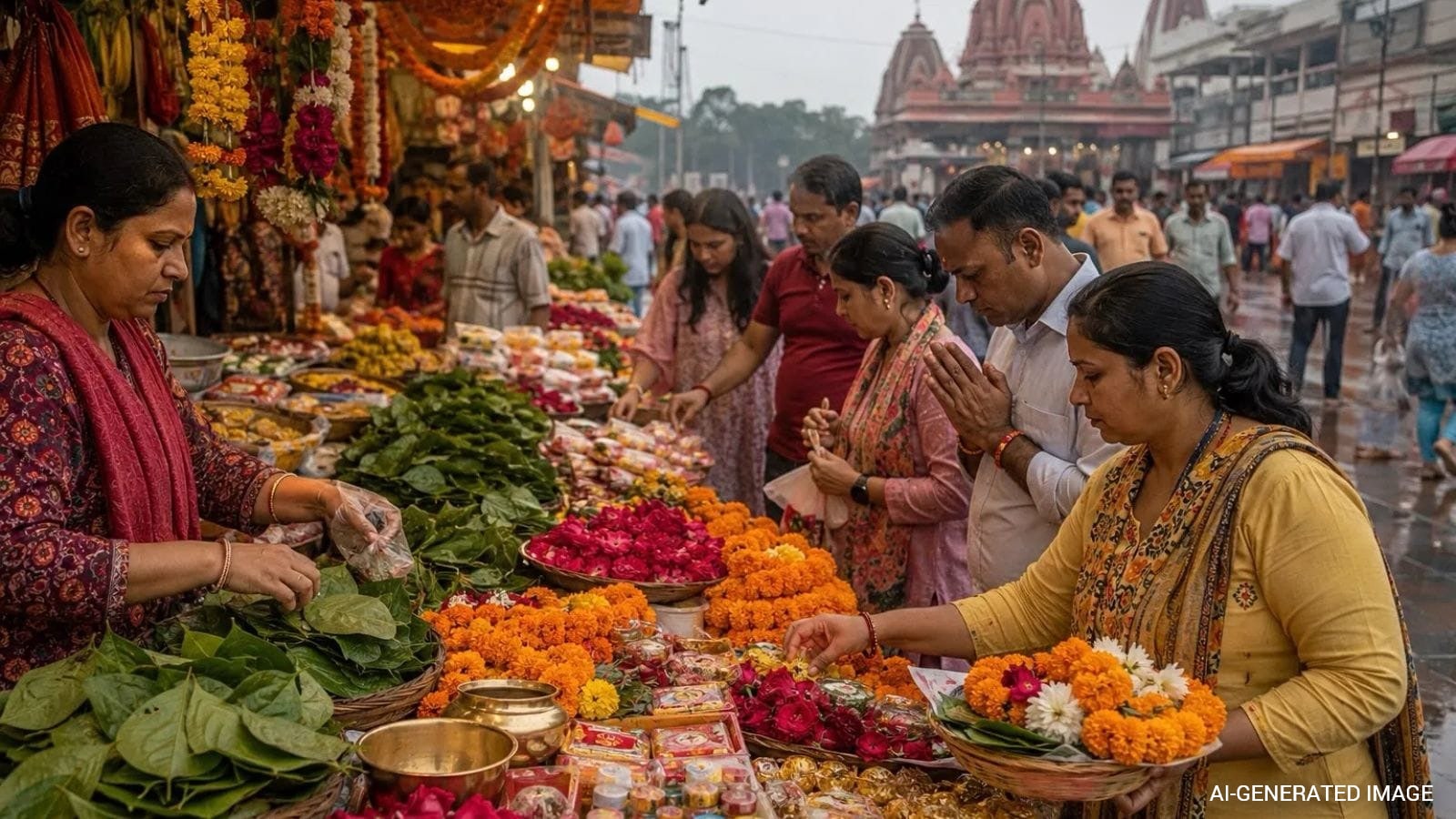
Shravan (Sawan) not only signals the start of the festive season but also the arrival of the monsoon. Markets bloom with the fragrance of bel leaves and fresh marigold garlands, besides the vibrancy that reflects strongly in its economy. Traditional bangles and prayer items dot roadside stalls in Delhi’s Chandi Chowk to Noida’s Atta market, giving a boost to micro-industries, local artisans and small-scale entrepreneurs.
The fifth month in the Hindu calendar is dedicated to Lord Shiva. Devotees mark this month by fasting and other rituals, the most significant being the Kanwar Yatra. For traders, it is one of the country’s largest seasonal consumption periods, especially across north, west, and central India.
Religious spending, travel, food, apparel, and gifting form a crucial part of the Sawan-linked consumption.
“Trade estimates suggest that Sawan-linked consumption, religious purchases, travel, food, apparel, gifting and related spending together generate business worth Rs 1.25 lakh crore to Rs 1.50 lakh crore nationwide, with a significant boost to retail markets before the larger festive season begins,” says Praveen Khandelwal, General Secretary of Confederation of All India Traders (CAIT).
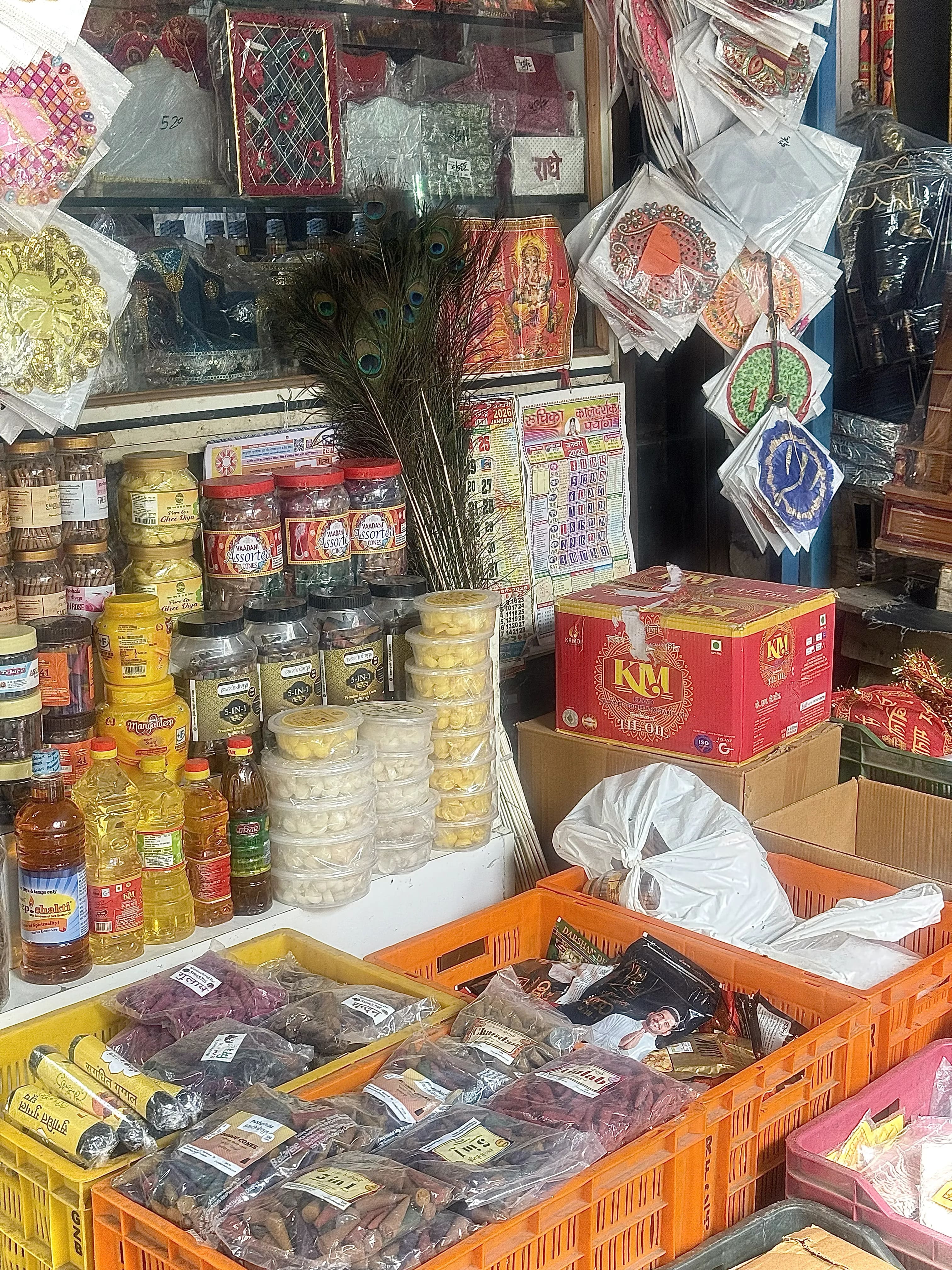
Photo Credit: Yeshita Jeet
The Blooming Flower Economy
Few micro-businesses experience a daily turnover quite like flower vendors during Sawan. From central Delhi to Noida, the surge in daily worshipers drives a massive increase in demand and prices for the offerings.
At the market near Shani Mandir in Noida, Seema has run her flower stall for nearly 20 years. She sources her stock daily from Delhi’s wholesale Ghazipur Phool Mandi and brings in roughly 100 kg of belpatra during August alone.
“Belpatra normally sells for around Rs 150 per kg, but prices rise to nearly Rs 500 per kg on Sawan Mondays,” Seema shares.
The price surge extends to other ritual essentials like rose, mogra (Arabian jasmine), and marigold. Marigold flowers, which form a massive share of her daily sales, jump from a standard Rs 120 per kg to Rs 150-Rs 200 per kg.
Operating independently on cash transactions, Seema’s monthly income jumps from an average of Rs 6,000-Rs 7,000 up to Rs 10,000-Rs 11,000 during Sawan.
Extended Hours, Lifesaving Margins
Sawan shows how India’s cultural practices directly convert into business activity, points out Siddharth Maurya, managing director of Vibhavangal Anukulkara Pvt Ltd.
This seasonal boost isn’t limited to large companies. It creates a vital lifeline for thousands of small street vendors, artisans, and shopkeepers operating near temples.
Ramprakash, who sets up his cart outside the Shiv Mandir in Mandi House selling belpatra, dhatura, and loose marigolds, considers Sawan the official launch of his festive sales season.
He sits from Sunday midnight through late Monday evening to capitalise on the surge on the day considered auspicious during Sawan. Driven by this high single-day turnout, Ram earns up to Rs 2,000 on Mondays alone.
During Sawan, he says not only his marigold stocks double, but also the price.
“With these earnings, I’ll be able to clear my rent,” Ram adds.
Some loose flower sellers like Shivani in Noida’s Sector 132 also curate puja plates and other items to boost income.
Surge In Everyday Essentials
A parallel surge is seen in neighbourhood stores selling puja and other daily essentials.
Raghunandan Saraf, founder and CEO of Saraf Furniture, notes how demand strengthens cash flows for small retailers across the board.
“Sawan ushers in an important festive shopping season in India, driving up demand for everything from traditional attire and sweets to home decor, ethnic wear, jewellery, flowers, handicrafts, and puja items,” he explains.
At the heart of this seasonal surge are neighbourhood puja shops, the immediate ground zero for devotees gathering ritual essentials before temple visits.
At the popular Radhe Radhe Puja Store in Noida’s Atta Market, the owner prepares well in advance, anticipating a surge in overall demand for ritual items.
“I have ordered more stock of bhasm (holy ash), chandan (sandalwood paste), janeu (sacred thread), camphor (kapur), and ashtagandha (blend of eight herbs) this Sawan because demand is expected to increase,” says the shopkeeper.
(This article is written by Yeshita Jeet Tripathi, who is interning with NDTV)