






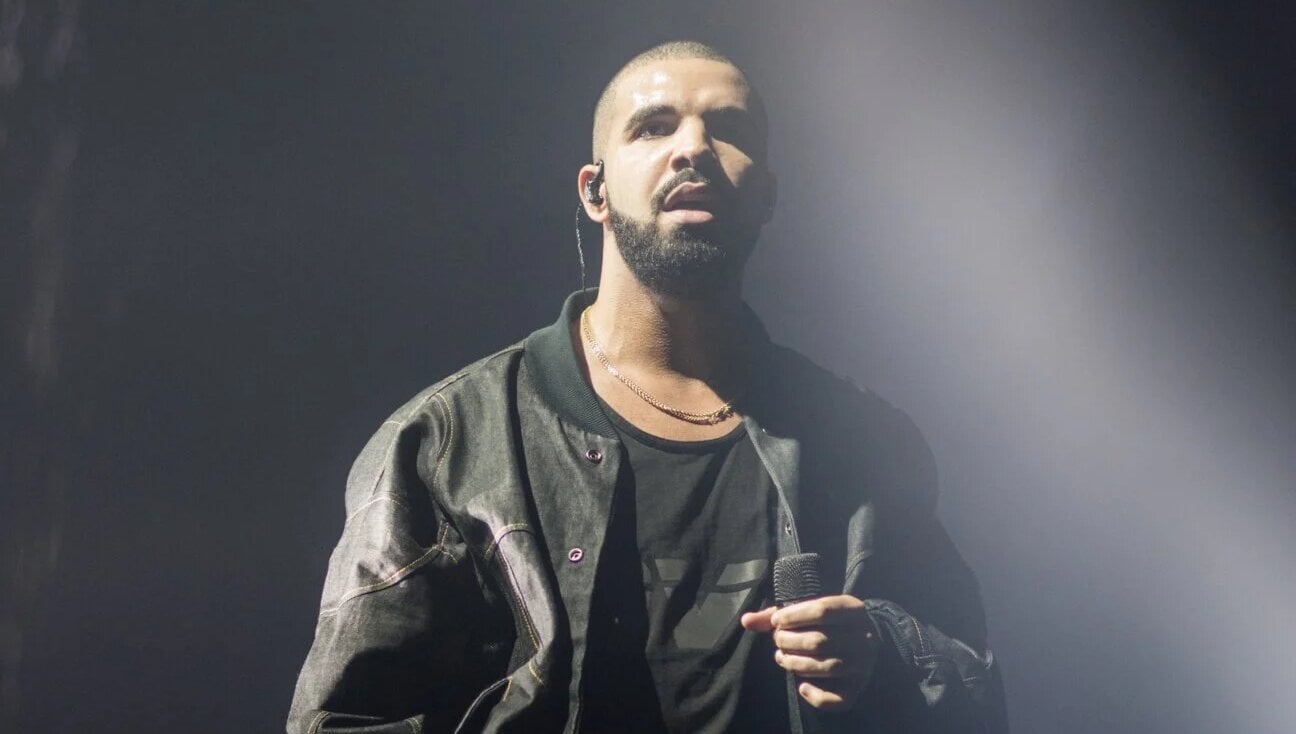





A US federal judge has paused a proposed class action accusing Drake of running a bot operation to inflate his music streams.
Judge Leonie Brinkema, of the US District Court for the Eastern District of Virginia, granted a motion to compel arbitration filed by Sweepsteaks Ltd., operator of online casino platform Stake.us, and stayed the entire case pending that arbitration.
You can read the memorandum opinion in full here.
The ruling, issued on Thursday (July 30), which you can read here, means the claims naming Drake will not move forward while the plaintiffs pursue their dispute with Stake in individual arbitration.
The lawsuit was brought by eight Stake.us users, led by LaShawnna Ridley and Tiffany Hines, who say they lost money gambling on the platform.
Their complaint accuses Stake – along with Drake, streamer Adin Ross, George Nguyen and streaming platform Kick – of misrepresenting Stake as a “lawful and safe gambling experience” and concealing that players’ money helped fund a “bot army” used to inflate Drake‘s streams.
The original complaint, filed in December 2025, alleged that Drake had “deployed automated bots and streaming farms to artificially inflate play counts of his music.”
Stake has denied the claims and disputed that its US platform can perform the payments described.
“Stake.us does not have a tipping function that could be used in this way,” a Stake spokesperson said. “This is a nonsense claim and we are not concerned about this lawsuit.”
Drake is the artist Spotify lists as the most-streamed of all time, and in September 2025 became the first act to pass 120 billion streams on the service.
The complaint says Drake has publicly acknowledged receiving $100 million a year to promote Stake, whose website describes him as a “long-time member of the Stake community.”
Drake, Ross and Nguyen had not been served with the lawsuit, according to the court’s docket.
Drake has not publicly addressed the allegations, which Brinkema did not rule on.
The plaintiffs had argued that their claims against those three men and Kick should proceed even if Stake was sent to arbitration.
Brinkema rejected that, finding that any liability the defendants might face “would be directly affected by the results of the arbitration.”
Stake‘s terms require users to bring disputes through individual arbitration and to waive the right to sue as a class, unless they opt out within 30 days.
None of the eight plaintiffs opted out, the court found, and Brinkema noted that four earlier lawsuits against Stake had reached the same conclusion on the same terms.
The decision is the latest in a run of litigation to put Drake‘s streaming figures under scrutiny.
In June 2026, a California federal judge dismissed a separate proposed class action that accused Spotify of allowing billions of fake streams to inflate the play counts of Drake and other artists.
That case, brought by the rapper RBX, alleged that a large share of the roughly 37 billion streams Drake gathered on Spotify between January 2022 and September 2025 were inauthentic.
Drake was not named as a defendant in that suit, and was not accused of wrongdoing.
Drake records for UMG‘s Republic Records and is published by Universal Music Publishing Group, and has continued to release music through the major while pursuing his own legal action against it.
Universal Music Group has publicly campaigned against artificial streaming, and in 2023 pioneered an “artist-centric” royalty model with Deezer intended to divert income away from fraudulent plays.
The lawsuit also places Drake on the opposite side of an argument he made in late 2024.
In November 2024, Drake – through his company Frozen Moments LLC – filed a petition accusing UMG and Spotify of using bots to “artificially inflate” Kendrick Lamar‘s diss track Not Like Us, invoking the same RICO statute now being used against him.
UMG called those allegations “offensive and untrue” at the time.
“We employ the highest ethical practices in our marketing and promotional campaigns,” a UMG spokesperson told MBW.
Drake withdrew the petition and instead sued UMG for defamation, a case a New York judge dismissed in October 2025 and which Drake is appealing.
For its part, Spotify has repeatedly said it does not benefit from artificial streaming and invests in systems to detect and remove it.
Responding to the RBX suit, a Spotify spokesperson said the company safeguards artist payouts “with strong protections like removing fake streams, withholding royalties, and charging penalties.”
Since 2024, Spotify has charged distributors a per-track penalty when it detects flagrant artificial streaming, on top of removing the offending tracks and setting a minimum-stream threshold before a track earns royalties.
Brinkema ordered the plaintiffs and Stake to begin arbitration promptly and to file a status report within 120 days.
The judge removed the case from the court’s active docket and canceled a hearing that had been set for August 14.Music Business Worldwide



