



Something instructive is happening in Copenhagen. Noma, named the best restaurant in the world more often than any other, finally closed its dining room in 2024 after concluding that the machinery of formal fine dining had become unsustainable. This August it returns as a different restaurant altogether, promising a new menu every month drawn from changing ingredients, ideas, and landscapes rather than fixed rituals. Momofuku Ko shut in New York around the same time, and across the world’s great food cities, the white tablecloth itself began vanishing from luxury tables, replaced by bare wood, open kitchens, and music you could actually hear.
None of this meant people stopped spending on food. It meant the definition of luxury had changed, and the industry was scrambling to catch up with its guests.
India is living through its own version of this shift, compressed into a far shorter timeline. For decades after Independence, serious dining here lived inside five-star hotels, borrowing its grammar wholesale from Europe, with hushed rooms, liveried service and a maitre d’ who decided whether you belonged. Hindi cinema caught this perfectly, for when Namak Halaal or Teesri Manzil wanted to put glamour on screen, they staged it in a hotel ballroom, and when Zindagi Na Milegi Dobara sold a new idea of the good life decades later, it chose the open road instead. Luxury meant formality and distance. Liberalisation cracked that open, and the Indigos and Indian Accents proved a chef with a point of view could draw the city out of the hotel lobby. Then, through the 2010s, Indian chefs trained in kitchens abroad came home and built places rooted in Indian produce and personal conviction. Critics like Vir Sanghvi have chronicled this arc for years, and his observation holds, for our most exciting restaurants stopped imitating Europe and started trusting their own instincts.
Also Read: What Is It Like To Cook For The Kardashians? Private Chef Reveals Their Diet, Cheat Meals And More
We are now in the third era, and it is the most interesting one. The defining question is no longer how expensive the ingredients are or how many courses arrive. It is how the evening feels.
Why The Guest Changed
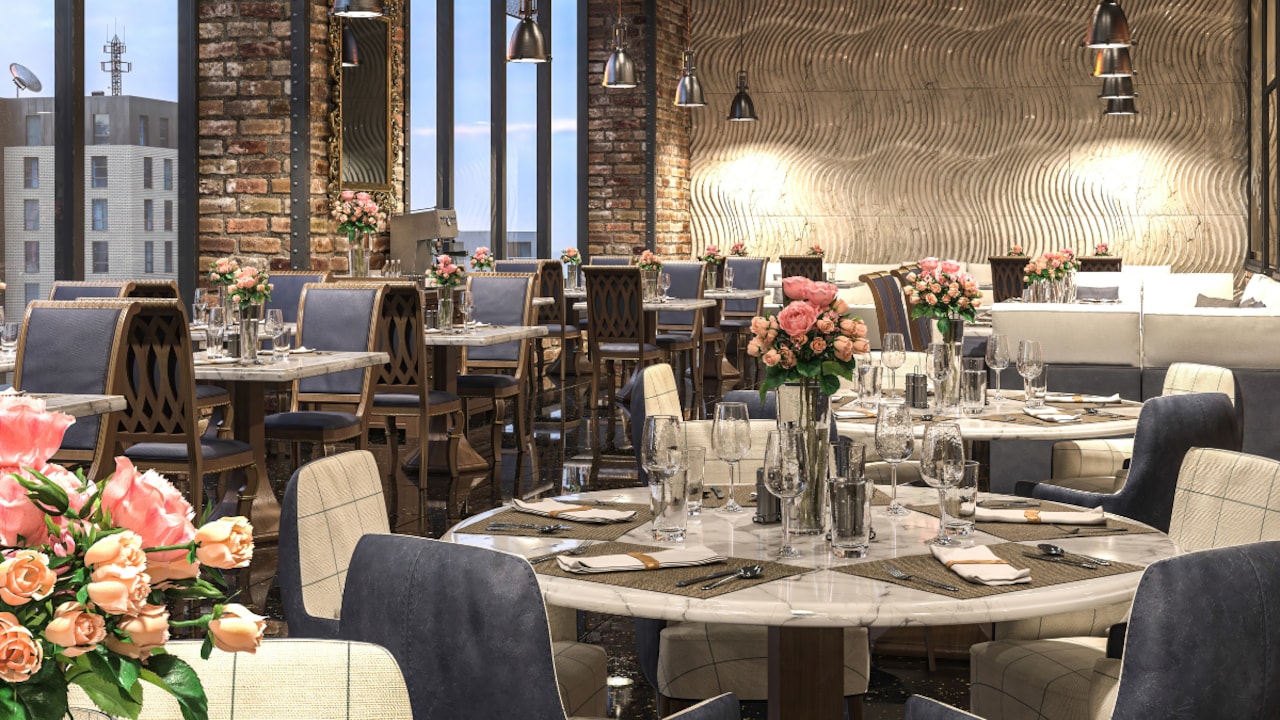
Photo: Canva
The economics tell part of the story. A recent CBRE study projected that Indian household spending on experiences, including restaurants and travel, will grow faster than spending on physical goods every year through 2030. A generation that measures a good life in memories rather than possessions is entering its peak earning years, and it eats out with a confidence its parents never had.
Walk through the big cities, and the evidence is everywhere. Mumbai is where some of the most adventurous cooking in the country is happening right now. It is happening in kitchens built around live fire, where bone marrow and house-cured meats sit beside an honest burger. It is happening in packed rooms where classically trained Indian chefs borrow the grammar of Japanese cuisine without pretending to authenticity and using it instead as a language for their own imagination. Delhi is answering with ambitious ingredient-led openings of its own, while in Bengaluru the hardest reservation in town is a chef’s counter that seats a handful and is booked out weeks in advance. The turn gathered pace after the pandemic, when talented chefs stepped out of hotel kitchens to build rooms in their own name and found a diner who had missed eating out so much that a meal alone was no longer enough.
But the numbers only describe the shift. The reasons behind it are more human.
Modern urban life is loud, scheduled, and relentlessly mediated by screens. What a good restaurant sells today is the antidote in the form of real food, real light, real conversation, and above all, real time. Watch how the best rooms in Delhi, Bombay, and Bengaluru now fill up. The demand is for intimacy, not scale. The counter with eight seats. The dining bar where eating alone feels natural rather than awkward. The corner table where nobody comes to hurry you along because the 9 pm booking is waiting. Tokyo understood this generations ago, which is why its most coveted restaurants seat a dozen people, and the rest of the world has slowly come round to the same truth.
Design has become central to this, though not in the way cynics assume. Yes, younger diners photograph everything. But rooms built purely as backdrops age in a season. The spaces that endure are designed for the person sitting in them, with acoustics that let a table of four hear each other, lighting that grows softer as the night deepens and art chosen because the owner loves it rather than because it trends. Guests can tell the difference immediately. And they reward sincerity with the one currency that matters in this trade, which is their return visit.
The plate has been simplified in the best possible way. Ingredient-led cooking, live fire, menus short enough to mean something, and cocktails with two honest flavours instead of ten props. Today’s diners, particularly at the premium end, know more and ask more than they used to. They want to know where an ingredient comes from, who grew it and why it has earned a place on the menu, and those questions now matter almost as much as the cooking. Restraint has become the new extravagance. Anyone building a restaurant in India today, and I speak from the experience of opening one in Delhi with exactly this conviction, learns quickly that the modern guest can smell effort dressed up as theatre from the doorway.
Also Read: This Founder Tasted 100 Cups Of Tea Every Day To Build Global Brand With 1 Lakh Customer
The Decade Ahead
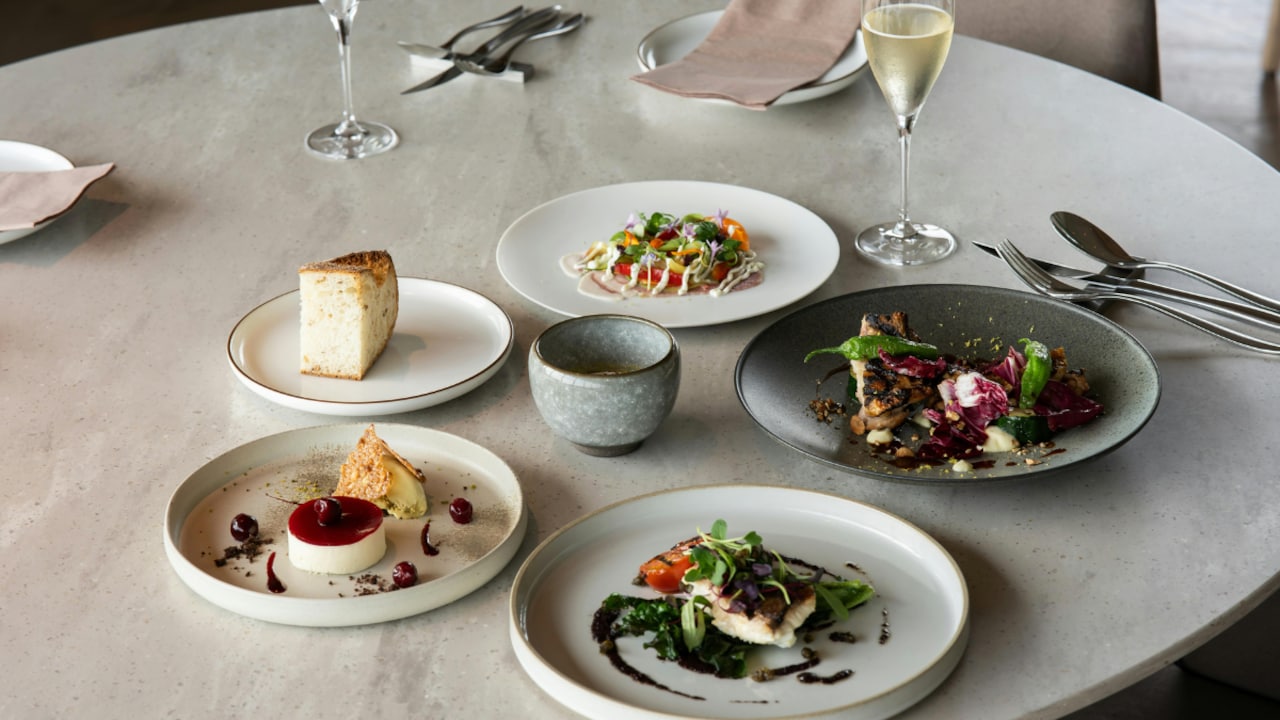
Photo: Canva
The future of India’s luxury dining and nightlife ecosystem looks less like a pyramid and more like a constellation. Instead of a few grand rooms at the top, expect many small, sharply defined ones such as chef counters, wine bars with serious kitchens, listening bars where the sound system is curated as carefully as the cellar, and late-night rooms that trade velvet ropes for genuine hospitality. Capital is flowing towards independent operators in a way this industry has never seen. The talent pool of Indian chefs, bartenders and designers is the deepest it has ever been.
The white tablecloth had a long and dignified run. What replaces it is harder to execute, because warmth cannot be laundered and pressed. But for the diner, this is the best moment in the history of eating out in India. The restaurants that will define the next decade are the ones that have grasped a simple idea the world’s best rooms all share, which is that luxury is no longer what a restaurant displays. It is what a guest gets to keep.



