












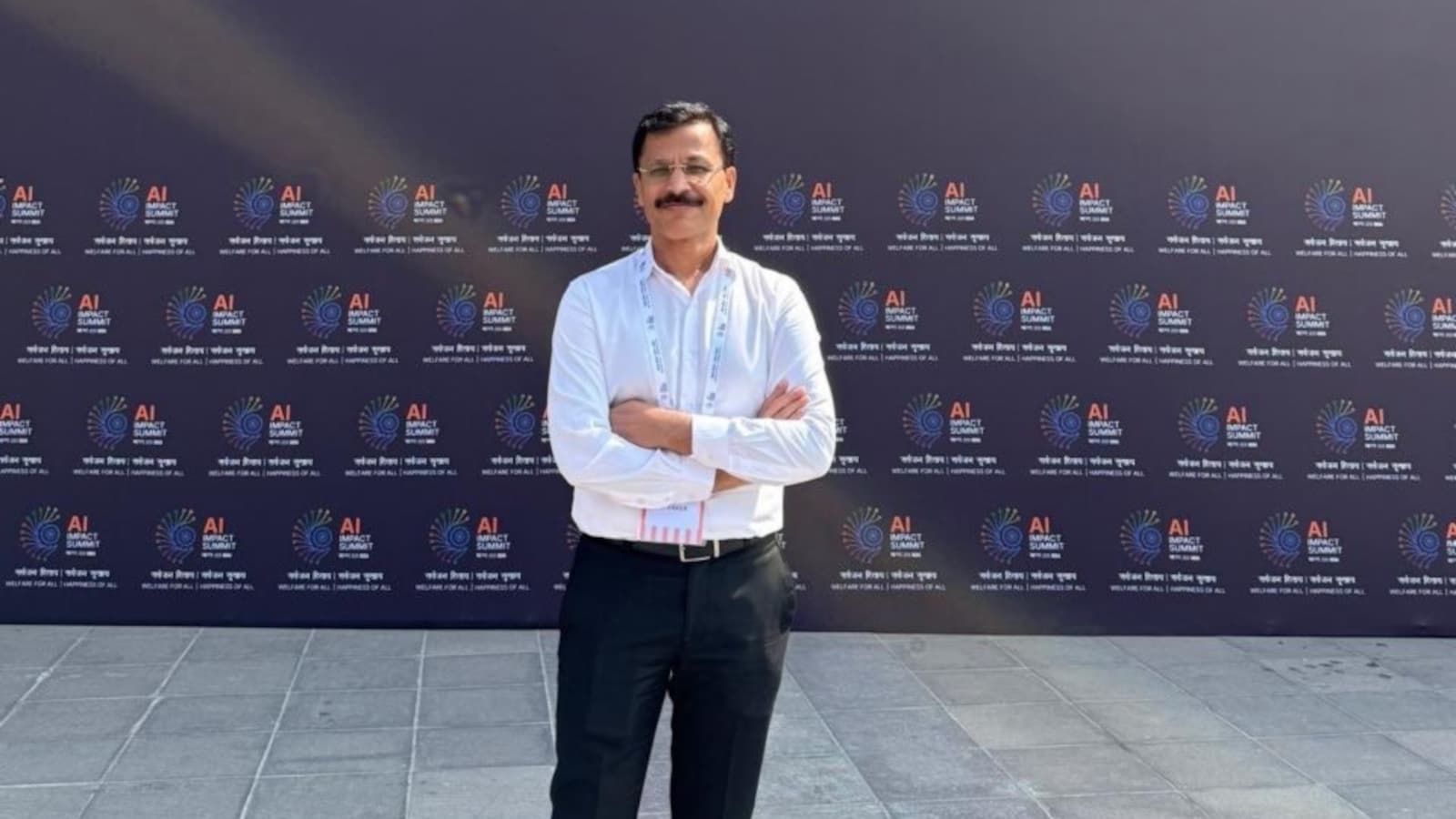





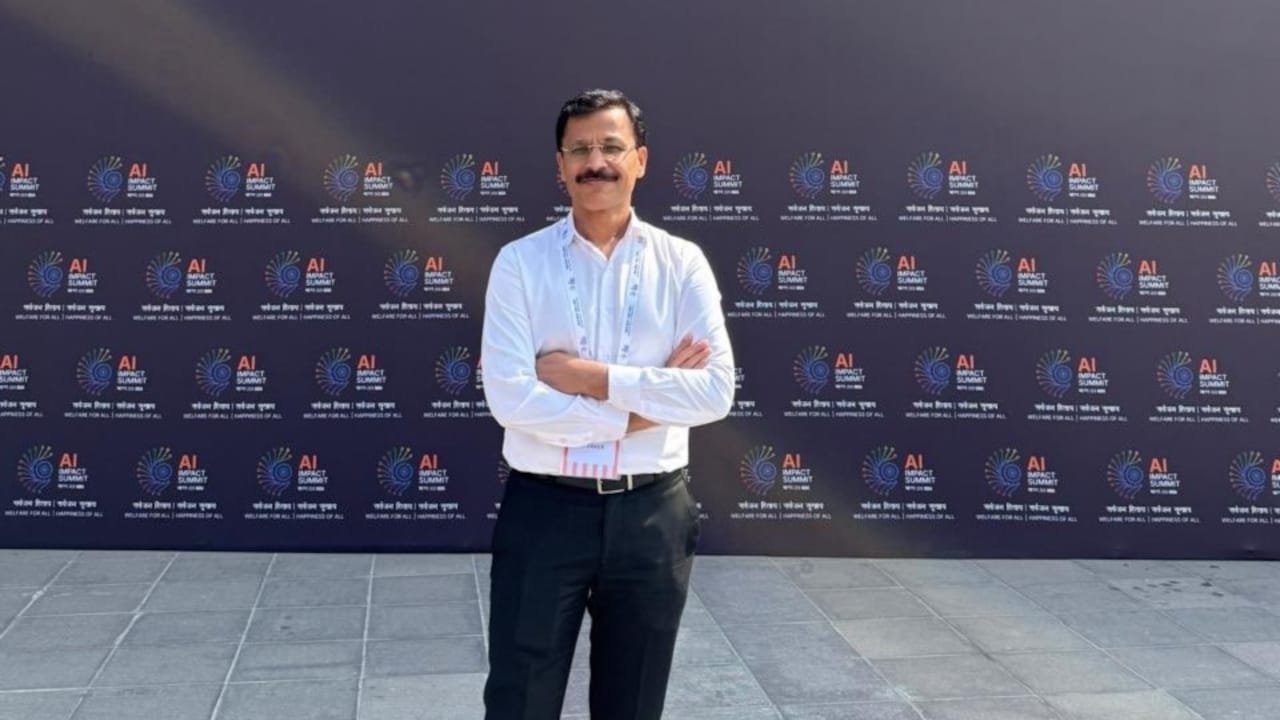
Known as one of Maharashtra’s most recognisable IAS officers, Tukaram Haribhau Mundhe has built a reputation for being uncompromising and fearless. Currently serving as the Maharashtra Food and Drug Administration (FDA) Commissioner, Mundhe’s career has been notable for his administrative style as much as for his frequent transfers. His insistence on strict implementation of rules, action against irregularities and refusal to compromise has often put him at odds with vested interests. In nearly 20 years of service, he has reportedly been transferred more than 24 times.
Since taking charge as FDA Commissioner, Mundhe has led one of the department’s most aggressive enforcement drives in recent years. Within roughly his first month in office, the FDA conducted 904 raids across Maharashtra and seized banned gutkha and pan masala worth more than Rs 34.66 crore.
His recent actions have also earned widespread public support. Many have described him as a “real-life Singham” for his strict anti-corruption stance and uncompromising approach to governance.
Also Read: Rats, Expired Items: Mumbai’s Iconic Ice Cream Outlet K Rustom Loses Licence
Supporters say that his crackdown on adulterated food has helped protect public health while safeguarding farmers’ interests by targeting fake and substandard products.
In a recent podcast with Food Pharmer, Mundhe opened up about the mindset that helps him stay fearless and focused in his role.
“This is ingrained. I look at it in a very simple manner: just or unjust. If it is just, I will abide by it. If it is unjust, I will not abide by it. If it is unjust, we should work against it,” he said.
Explaining his broader philosophy, he added: “Achieving justice or providing justice is the goal. Through empowering people, that is the means.”
Mundhe also revealed the three questions he asks himself when faced with difficult situations or decisions.
“So when such very difficult questions or situations come, I ask three questions to myself:
1. Is it legal? Because it has to be legal. Beyond that, I cannot go, being a public officer.
2. Is it ethically right or wrong?
3. Is it in the public interest or individual interest?
And if the answer is that yes, it is ethically correct, in the public interest and legal, I go for it.”
Also Read:Maharashtra Bans Fake ‘Analogue’ Paneer For 1 Year In All Hotels And Restaurants
Describing it as a personal philosophy he has developed over time, Mundhe said these questions help him navigate challenging situations and arrive at a clear decision.
He concluded with a powerful statement about accountability in public service: “If I cannot prevent food adulteration or substandard food as a food safety commissioner, who else can?”