





Ginger tea is often used as a home remedy for an upset stomach, but its benefits may not stop there. Research suggests that ginger can help support digestion, and some studies have also explored its potential role in weight management. If you are considering adding ginger tea to your daily routine, here’s what the research says about its benefits and the best time to drink it.
Also Read: Video: Tukaram Mundhe Shares 4 Things Every Diner Should Check Before Ordering Food
Ginger May Get Digestion Moving
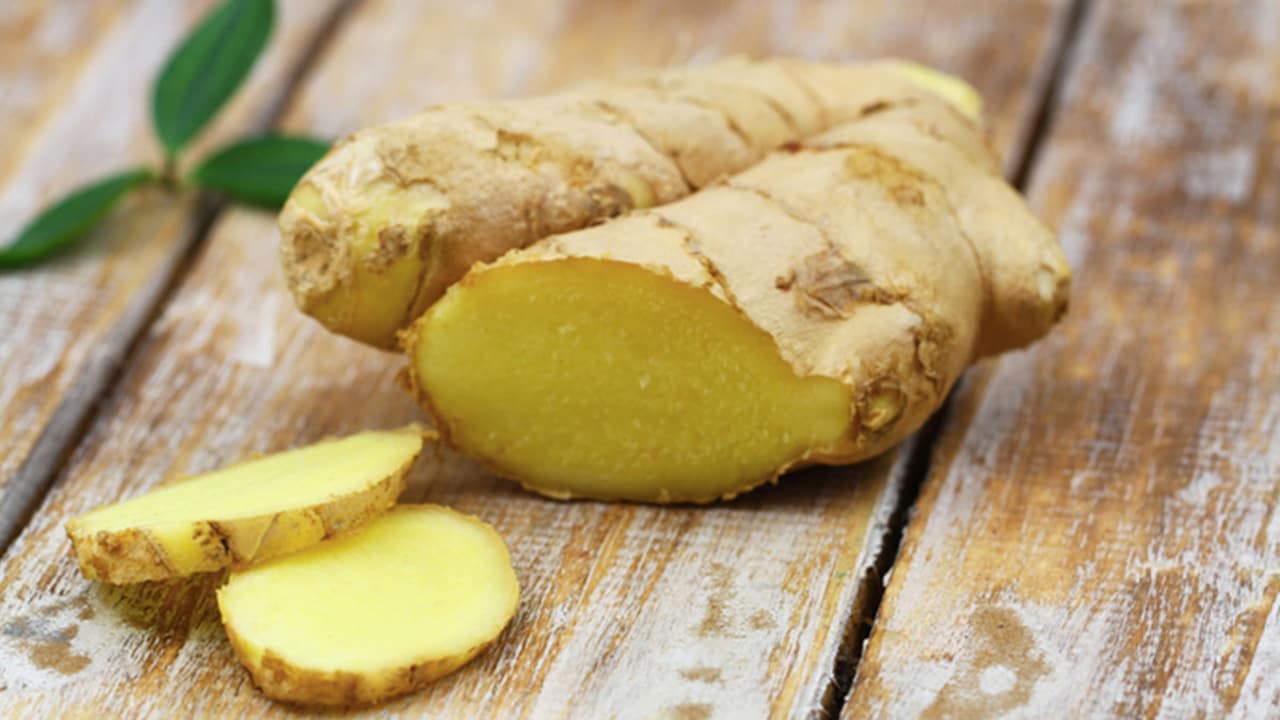
One reason ginger is associated with better digestion is its effect on how quickly food moves through the stomach.
A small randomised, double-blind study published in the World Journal of Gastroenterology found that ginger significantly accelerated gastric emptying in people with functional dyspepsia. However, the researchers did not find a significant improvement in their overall gastrointestinal symptoms. Ayurvedic expert Dr Ashutosh Gautam has also described ginger tea as a digestive tonic that improves gastric motility and may help with digestive discomfort.
It May Help With Bloating And Heaviness
If your main concern is that heavy, uncomfortable feeling after meals, ginger may be useful. Its effect on gastrointestinal movement is one possible reason. A 2011 research trial involving 126 people with functional dyspepsia found that a ginger-and-artichoke extract supplement improved symptoms, including bloating, nausea, fullness and epigastric pain, compared with placebo. It is worth noting that this study used a supplement containing ginger and artichoke, not a regular cup of ginger tea. So the findings shouldn’t be treated as proof that homemade tea will produce the same effect.
Can It Actually Help With Weight Loss?

This is where the claim needs some perspective. Ginger tea itself isn’t a weight-loss treatment, but research on ginger supplementation has found some promising results.
A 2025 review published in Complementary Therapies in Medicine, found that ginger supplementation significantly reduced waist circumference and body-fat percentage. However, it did not significantly reduce overall body weight or BMI. The researchers concluded that more evidence is needed before firm conclusions can be made. So, ginger tea can fit into a weight-management routine, but it shouldn’t be treated as a fat-burning drink.
Morning Or Night: When Should You Have It?
There is no strong evidence that morning is better than night for ginger’s digestive or weight-related effects. If you want to make it part of your routine, drinking it after a meal or around the time you usually experience digestive discomfort is a reasonable choice.
If you are having it at night, opt for a simple ginger infusion rather than ginger tea made with black tea leaves, especially if caffeine affects your sleep. For a lighter option, steep fresh ginger slices in hot water and skip excessive sugar or honey.


