


Meghalaya’s tourism sector is beginning to feel the impact of the tensions with Assam, with around 80-90 per cent of tourist bookings in Shillong, Sohra (Cherrapunjee) and nearby areas being cancelled, according to a survey of hotels and homestays, sources said.
The figure is based on feedback from hospitality properties and tourism-sector sources and has not been independently verified by the government.
The cancellations come in the wake of violence during a Khasi Students’ Union (KSU) rally in Shillong on August 19 and the tensions that followed between Assam and Meghalaya over cross-border movement.
E.B. Blah, President of the Tour Operators Association of Meghalaya (TOAM), advisor and founding president of the North East India Tourism Confederation (NEITC), vice-president of Shillong Hotels and Meghalaya state in-charge of the Indian Association of Tour Operators (IATO), said the developments could undermine the confidence Meghalaya has built among visitors over the years.
“This is a very unfortunate development, and it is going to affect tourism. We have seen over the years that the Northeast, and indeed any place in the region, should be viewed as a safe destination,” Blah said.
August is typically a lean period for tourism in Shillong and Sohra, with occupancy levels lower than during the peak season. However, tourism operators said the latest wave of cancellations has affected even bookings that had already been confirmed.
Blah said the industry had been preparing for the tourist season ahead, with visitors already making travel plans for Meghalaya.
“Tour operators and companies in Meghalaya are preparing for tourists to come to Meghalaya, and tourists have started making their plans. But incidents like these can create a feeling that the destination is not safe,” he said.
The concern is particularly significant as Meghalaya heads towards the Puja holidays and Christmas season, when tourist arrivals normally pick up sharply.
Tourism operators said they have also been receiving calls from people who had planned trips to Shillong and Sohra, asking about the situation and whether it is safe to travel.
Blah said the industry was still assessing the extent of the cancellations.
“We don’t have the data yet, because we have not collected it. Definitely, some cancellations will be there. Some people may avoid certain areas, but the impact will be much more if the situation continues. We may see a series of cancellations in the coming days if the situation is not resolved,” he said.
Another concern for the tourism industry is connectivity between Assam and Meghalaya, as a large number of visitors travelling tp Meghalaya from outside the state pass through Guwahati and Jorabat.
“Even if people are willing to visit, disruption in transport services or unrest in certain areas could affect travel and prevent them from reaching their destinations,” Blah said.
“If the road is blocked and vehicles are unable to enter Meghalaya, how will tourists come? Even if they have booked hotels or planned their trips, they will face difficulties,” he added.
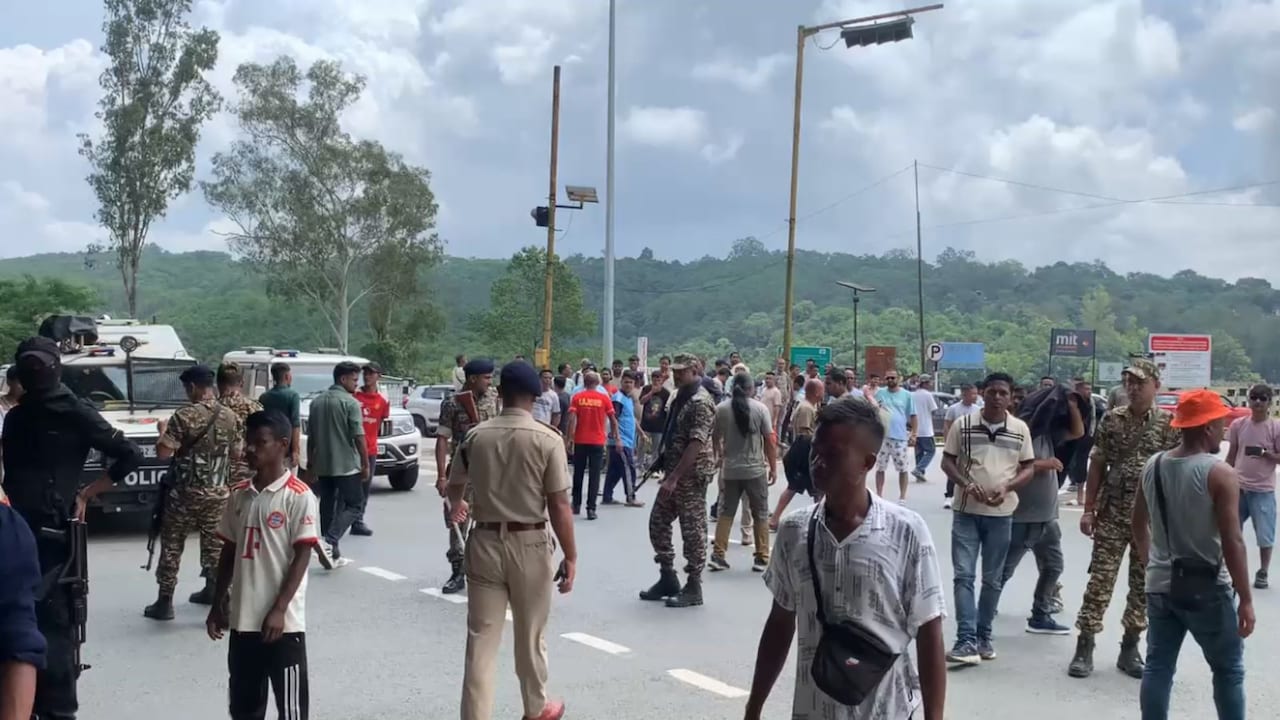
Tensions between Assam and Meghalaya esclated after several vehicles were damaged during violence in Shillong on August 19. Protests and blockades affecting vehicular movement were subsequently reported along parts of the Assam-Meghalaya route, raising concerns among those dependent on the corridor for tourism and travel.
According to Blah, the impact extends beyond tourists cancelling their trips. Transport disruptions could also prevent visitors who have already made bookings from reaching their destinations.
“One concern is the cancellation by tourists due to the news, fears over safety and related issues. The other concern, however, is from the tourism industry’s side,” he said.
The concern is not limited Meghalaya, as tourists visiting the Northeast often include multiple state in their travel itineraries.
“The Northeast tourism circuit is interconnected. Any disruption in one location can therefore affect the movement of tourists across the region,” Blah said.
“For tourists, political boundaries matter little. What matters is how itineraries are planned and the travel packages on offer,” he said.
In a joint statement issued on August 20, several tourism bodies in Meghalya also warned of the possible impact on the sector.
The statement was jointly issued by the Tour Operators Association of Meghalaya, Meghalaya Rural Tourism Forum, Tour Guides Association of Meghalaya, Federation of Shillong Hotels, Meghalaya Tourism Development Forum and Meghalaya Rural Tourism Cooperative Federation.
The organisations condemned the violence and vandalism targetting vehicles from outside Meghalaya, including tourist taxis and buses, warning that such incidents could harm the state’s image as a tourist destination.
They also appealed against any retaliatory action and urged fauthorities to take legal action against those responsible for the violence and vandalism.
Tourism-related businesses support the livelihoods to a large number of people in Meghalaya, including those involved in hotels and homestays, tourist transport services, restaurants, guiding services, handicrafts and other small enterprises.
Despite the uncertainty, Blah said tourism activity had not come to a stanstill, with visitors continuing to travel to the region, including football fans arriving from various parts of the country.
However, he said a swift return to normalcy was crucial to prevent further losses during the upcoming peak tourism season.
“If we find a solution, then definitely the impact will not be as much,” Blah said.
For tourism operators, the immediate priority is the restoration of normal movement between Assam and Meghalaya and ensuring that visitors feel confident about travelling to the state ahead of the Durga Puja and Christmas season.


