


New Delhi:
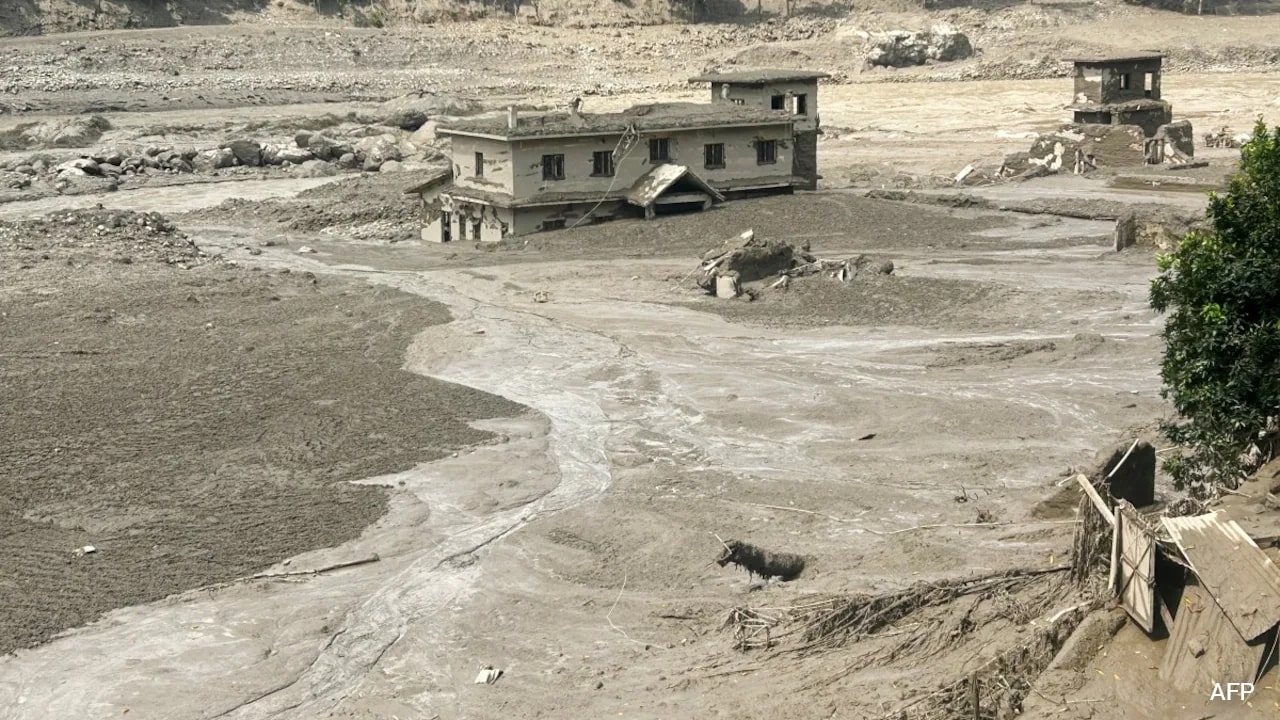
At least eight people have died, and several others, including 105 Indians, remain missing as a flash flood in the Bhote Koshi River swept through Nepal’s Nuwakot and Dhading districts. The floodwater came from the Tibetan side of the border, causing extensive damage and washing away several villages in Nepal, according to Nepali media reports.
Citing Central Police Spokesperson Deputy Inspector General of Police Abinarayan Kafle, Nepal News reported that at least eight bodies have been recovered from Nuwakot and Dhading districts so far.
Several Missing
The official said that at least 26 Nepal Police personnel are still missing in Rasuwa district. The Armed Police Force also said that seven of its personnel are missing.
The Nepal Army has deployed helicopters and disaster response personnel to the affected area. “The work of collecting details of the damage is underway,” it said in a statement.
Hydropower Projects Damaged
A massive flood swept through Nepal’s northern districts on Wednesday, damaging roads and power infrastructure as authorities scrambled to assess the scale of the destruction.
The Nepal Electricity Authority (NEA) said at least six of its major hydropower and transmission facilities — Rasuwagadhi, Chilime, Trishuli 3A, Trishuli 3B Hub 220 kV Substation, Trishuli Hydropower Station, and Devighat Hydropower Station– have been damaged in the flood.
“The disaster has damaged the production, transmission, and distribution facilities of the Authority… resulting in disruption of electricity supply,” it said.
Several highways in Nepal have also been closed, authorities said.
Devastating Visuals
Videos shared by Nepal Police and others on social media showed torrents of muddy water crashing through mountain valleys in the Himalayan nation’s districts bordering Tibet.
भोटेकोसी नदी रसुवामा तिब्बत तर्फबाट ठुलो बाढी प्रवेश गरेकोले अर्को सूचना नआउँदासम्म त्रीशुली नदीको तटिय क्षेत्रका जिल्लाहरु नुवाकोट, धादिङ, चितवन, गोरखा लगायतका स्थानहरूमा उच्च सतर्कता सहित सुरक्षित स्थानमा रहन अनुरोध छ। pic.twitter.com/Zun6icZZCM
— Nepal Police (@NepalPoliceHQ) August 26, 2026
“We do not exactly know the extent of damage, but the flood is big, and it could have damaged many settlements,” Nepal Police spokesman Abi Narayan Kafle told AFP.
“We have alerted people who are staying near the riverside to relocate… and deployed all our resources,” he said.
PM Reacts
Prime Minister Balendra Shah has meanwhile convened an emergency meeting of the National Disaster Risk Reduction and Management Authority to take stock of the situation.
“Work has started to take necessary steps in coordination with the medical team, scouts, and Red Cross,” Shah said in a social media post.
Monsoon rains from June to September regularly trigger deadly floods and landslides across South Asia. Scientists say climate change is increasing the frequency and intensity of extreme weather events in the region.


