


Avocados have become increasingly popular in India, appearing everywhere from toast and salads to smoothies and traditional recipes. But anyone buying the fruit has probably noticed two common options: the imported Hass avocado and the Indian avocado, often called butter fruit.
They may look similar at first glance, but there are some important differences in their skin, texture, flavour, fat content and even the way they ripen.
Prime Minister Narendra Modi recently spoke about avocados in a new video, highlighting the fruit’s growing popularity, health benefits and rising demand in India. As more people add avocados to their diets, the difference between Hass and Indian varieties is becoming increasingly relevant.
Hass Avocados Are Creamier And Richer
The biggest difference lies in the oil content. Hass avocados generally have a higher oil percentage, usually around 15 to 20 per cent. This higher oil content gives them the creamy, buttery consistency that many avocado lovers prefer. This is also why Hass avocados are often considered more consistent when it comes to texture and ripeness.
Their rich and smooth flesh makes them particularly suitable for guacamole, avocado toast and salads where that creamy consistency is important.
Also Read: Watch: PM Modi’s Avocado Post Got Everyone Talking. What Luke Coutinho Told NDTV
Hass avocados are also easy to identify by their skin. They have a thick, bumpy, pebble-like exterior. As they ripen, their skin changes colour from green to dark purple or almost black.
They also have a buttery and nutty flavour and are available throughout the year. Hass is the most common avocado cultivar globally and makes up for a major share of cultivated avocados around the world.
Indian Avocados Have Less Oil And A Firmer Texture
Indian avocados are quite different in appearance and texture. Often called butter fruit, traditional Indian varieties are generally smooth-skinned and glossy. Unlike Hass avocados, their skin usually stays green even when the fruit is fully ripe. They also tend to have larger seed pits.
Their oil content is lower, usually around 12 per cent or less. This means they are less creamy than Hass avocados and have a firmer texture. But that does not mean they lack flavour.
Indian avocados are known for their mild, subtle and slightly nutty taste. Their flavour is often described as more savoury compared to the richer, buttery taste of Hass avocados.
The Uses Of Each Variety
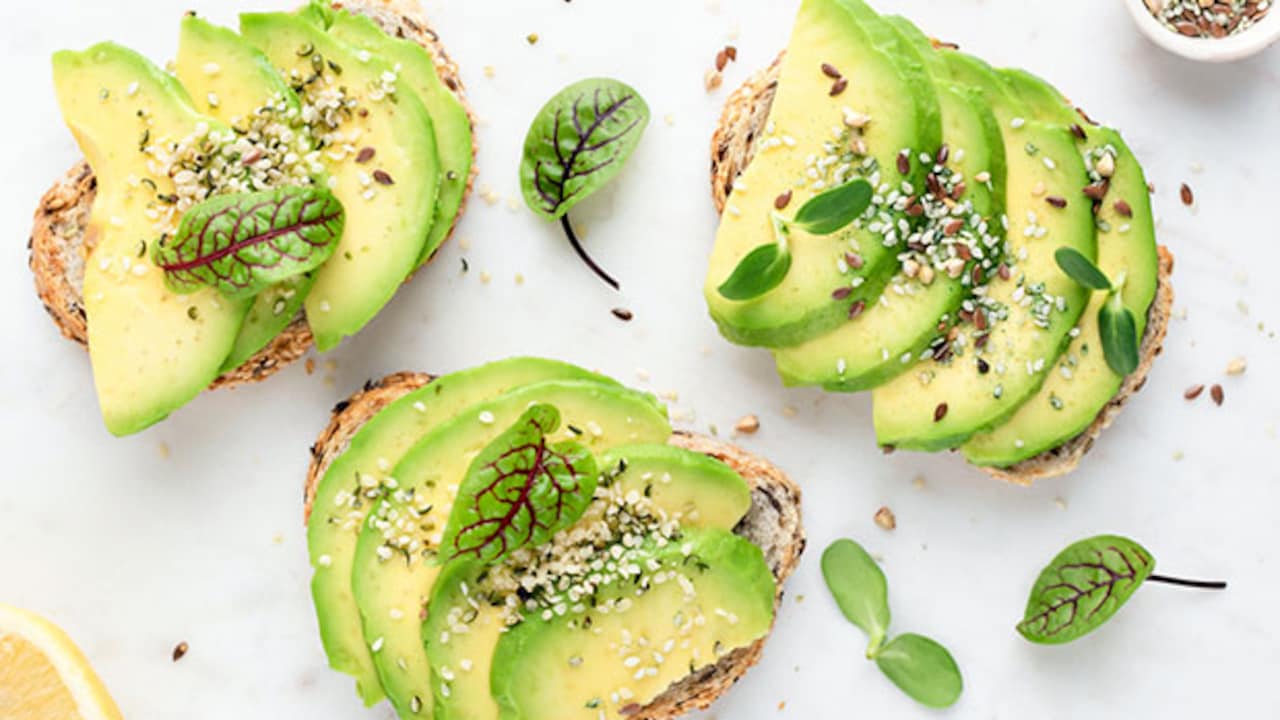
The choice depends largely on what you are making. Hass avocados work particularly well for dishes that need a rich and creamy texture, like guacamole, salads and avocado spread on toast.
Indian avocados can be a good choice for smoothies and milkshakes. They can also be used in local savoury preparations such as raita, chutneys and aviyal. Traditional Indian butter fruit has long been used in blended drinks and local preparations, particularly in southern parts of the country.
Also Read: Content Creator Explores Paris Through Food, Shares List Of Must-Try Spots
Indian Avocados Are Grown Closer To Home
Local avocado varieties are grown mainly in southern and western parts of India, including Karnataka, Kerala, Tamil Nadu and Maharashtra. They are also associated with coffee-growing regions, where avocado trees can be grown alongside other crops.
Recent attention has also turned towards domestic avocado cultivation. Prime Minister Narendra Modi highlighted local farmers growing Hass avocados and using intercropping with crops such as coffee and pepper to help boost incomes.
Hass avocados are generally more expensive because they are often imported. Indian avocados, being grown locally, are usually the more budget-friendly option. Both have their own place in the kitchen. The real difference comes down to what texture and flavour you want on your plate.


