


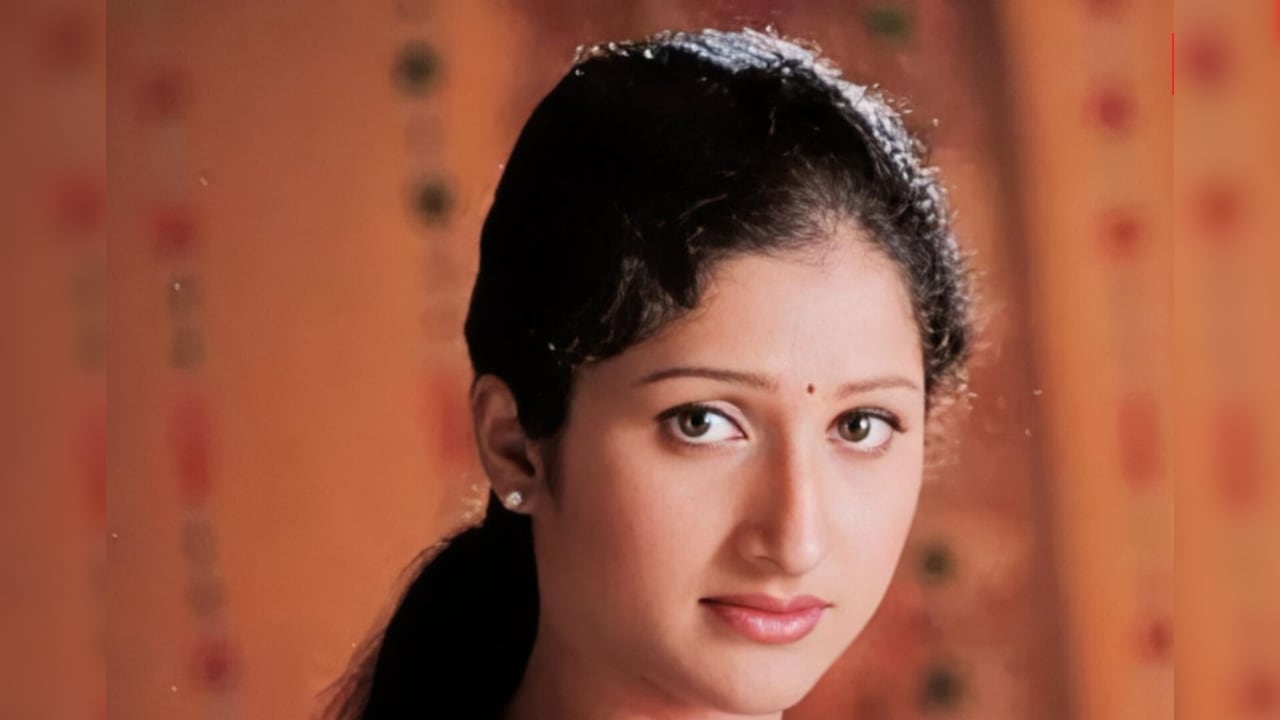
On February 23, 2002, actor Pratyusha was preparing for a journey to Bangalore. She had reportedly been signed for a Kannada film, another opportunity in a career that had begun only four years earlier.
By the end of that day, the 22-year-old was in hospital after consuming pesticide with her boyfriend, engineering student Gudipalli Siddhartha Reddy. Doctors saved him, but Pratyusha died during treatment.
The first account of her death appeared tragically straightforward. The couple wanted to marry, Reddy’s family opposed the relationship, and the two had entered into a suicide pact. But Pratyusha’s mother, Sarojini Devi, believed something far more sinister had happened to her daughter.
Her suspicions gained force when a post-mortem doctor reportedly attributed Pratyusha’s death to strangulation and said sexual assault could not be ruled out. What had initially seemed like the desperate act of two young lovers now carried the possibility of rape and murder.
For the next 24 years, the case remained caught between those two versions. There were conflicting medical opinions, allegations involving influential people and a mother who refused to accept that her daughter had died by suicide.
In February 2026, the Supreme Court finally settled the legal dispute. It concluded that Pratyusha had died from poisoning, ruled out strangulation and rejected the rape allegations. At the same time, it upheld Reddy’s conviction for abetting her suicide.
The judgment answered the legal questions surrounding her death. It also returned attention to the young woman at the centre of a case that had long been overwhelmed by rumour, suspicion and courtroom argument.
A Young Actor Still Finding Her Place
Pratyusha was born in Bhuvanagiri in present-day Telangana and grew up in a middle-class family. Her mother was a government school teacher, while her brother was Praneet Chandra, also known as Krishna Chandra.
She studied in Bhuvanagiri, Miryalaguda and Hyderabad before pursuing hotel management. Her entry into entertainment came through the Television Star 2000 contest, where she was crowned Ms Lovely Smile.
The recognition helped her enter films. After making her acting debut in 1998, Pratyusha appeared in around a dozen Telugu, Tamil and Kannada productions over the next four years.
She was not yet an established star, but she had begun building a career across three film industries. At the time of her death, she reportedly had a Kannada project ahead of her and was preparing to travel to Bangalore.
Her death did not come at the end of a fading career. It came while she was still discovering what that career might become.
The Relationship Her Boyfriend’s Family Opposed
Pratyusha had reportedly known Siddhartha Reddy for several years. The two were in a relationship and wanted to marry, but his family strongly objected.
According to the Supreme Court judgment, Reddy’s mother had threatened to take her own life if he went ahead with the marriage. On February 23, 2002, Reddy told Pratyusha about that threat.
The couple subsequently consumed organophosphate pesticide. Both were taken to hospital, where Reddy survived, and Pratyusha died.
The circumstances initially supported the account of a suicide pact between two young people who believed they would not be allowed to remain together. For Sarojini Devi, however, that explanation did not account for what had happened to her daughter.
She alleged that Pratyusha had been raped and murdered. As claims involving political influence and powerful people began circulating, a private tragedy grew into a sensational criminal mystery.
The Medical Opinion That Transformed The Case
The murder allegation acquired greater significance because of the post-mortem findings attributed to Dr B Muniswamy. The doctor reportedly opined that Pratyusha had died due to manual strangulation and suggested that sexual assault could not be ruled out.
That assessment posed a direct challenge to the suicide-pact account. If strangulation had caused Pratyusha’s death, poisoning alone could not explain what had happened in the hours before she reached the hospital.
For her mother, the opinion appeared to validate the suspicion that her daughter had been killed. It also ensured that the circumstances surrounding Pratyusha’s death would be examined as something more than a failed suicide pact.
The doctor’s conclusion was later challenged by other medical experts. The evidence was referred to expert committees, including specialists associated with AIIMS, whose assessments pointed to poisoning rather than strangulation as the cause of death.
These sharply different opinions became central to the controversy. One supported the possibility of homicide; the other restored the original account of death by pesticide.
Long before the courts resolved that conflict, however, the allegations of rape and murder had become embedded in the public understanding of the case.
The CBI Case Against The Surviving Boyfriend
The Central Bureau of Investigation eventually charged Reddy with abetment to suicide. Its case was not that he had murdered Pratyusha, but that his conduct and participation in the pact had contributed to her decision to end her life.
In 2004, the trial court convicted him under Section 306 of the Indian Penal Code and sentenced him to five years in prison. He was also convicted of attempting to commit suicide.
Neither side accepted the outcome. Reddy appealed against his conviction, while Sarojini Devi continued to seek a harsher punishment and challenge the conclusion that her daughter’s death was the result of a suicide pact.
In December 2011, the Andhra Pradesh High Court upheld Reddy’s conviction but reduced his sentence for abetment from five years to two. It also increased the fine to Rs 50,000.
Reddy and Sarojini Devi then approached the Supreme Court for very different reasons. He wanted his conviction overturned; she continued to argue that her daughter had been murdered.
The appeals were filed in 2012. The final decision would take another 14 years.
What The Supreme Court Found
On February 17, 2026, a Supreme Court bench comprising Justices Rajesh Bindal and Manmohan delivered its judgment.
After considering the hospital records, forensic material and expert medical opinions, the court concluded that Pratyusha had died from poisoning. It found that the evidence did not support death by manual strangulation and held that the allegations of rape had not been established.
The court consequently rejected Sarojini Devi’s claim that her daughter had been murdered. But it also dismissed Reddy’s appeal and upheld his conviction for abetment to suicide.
A significant part of the judgment concerned the nature of a suicide pact. The court reasoned that a mutual agreement to die can provide the psychological encouragement that enables one participant to carry out the act. In the circumstances of this case, Reddy’s participation made him legally culpable even though he had also consumed poison.
He was directed to surrender within four weeks.
The ruling did not treat him as Pratyusha’s killer. It held him responsible for participating in the decision that led to her death.
The Film She Never Saw
Amid the medical evidence and legal arguments, one detail captures how abruptly Pratyusha’s life ended. She was still receiving film offers.
She had been working since 1998 and had already appeared in productions across Telugu, Tamil and Kannada cinema. Around the time of her death, she had reportedly signed another Kannada film and was making plans to travel to Bangalore.
Her Telugu film Idemi Oorura Babu remained unreleased. Her last release, the Tamil film Sound Party, reached audiences in 2004, two years after her death.
By then, the young actor on screen had become the subject of a case that would outlive her career by decades.
A Mother’s Long Search For Another Answer
Sarojini Devi’s refusal to accept the suicide account shaped much of what followed Pratyusha’s death. She pursued the allegations of rape and murder, questioned the investigation and continued the legal fight even after the trial court and High Court had convicted Reddy only of abetment.
The conflicting forensic opinions gave her reasons to believe the case had not been fully explained. Her challenge eventually reached the Supreme Court, where the medical evidence was examined once again.
The court has now ruled that the claims of rape, murder and strangulation were not established. Its conclusion was that Pratyusha died after consuming pesticide and that Reddy bore criminal responsibility for abetting her suicide.
That judgment closes the legal case, but it arrived almost 24 years after Sarojini Devi lost her daughter.
For the courts, those years produced a final determination of cause and culpability. For a mother, they represented most of a lifetime spent trying to understand why a daughter who was making plans for her next film did not live to begin it.


