


At least nine countries have reportedly delayed implementing the European Union’s controversial entry-exit system (EES).
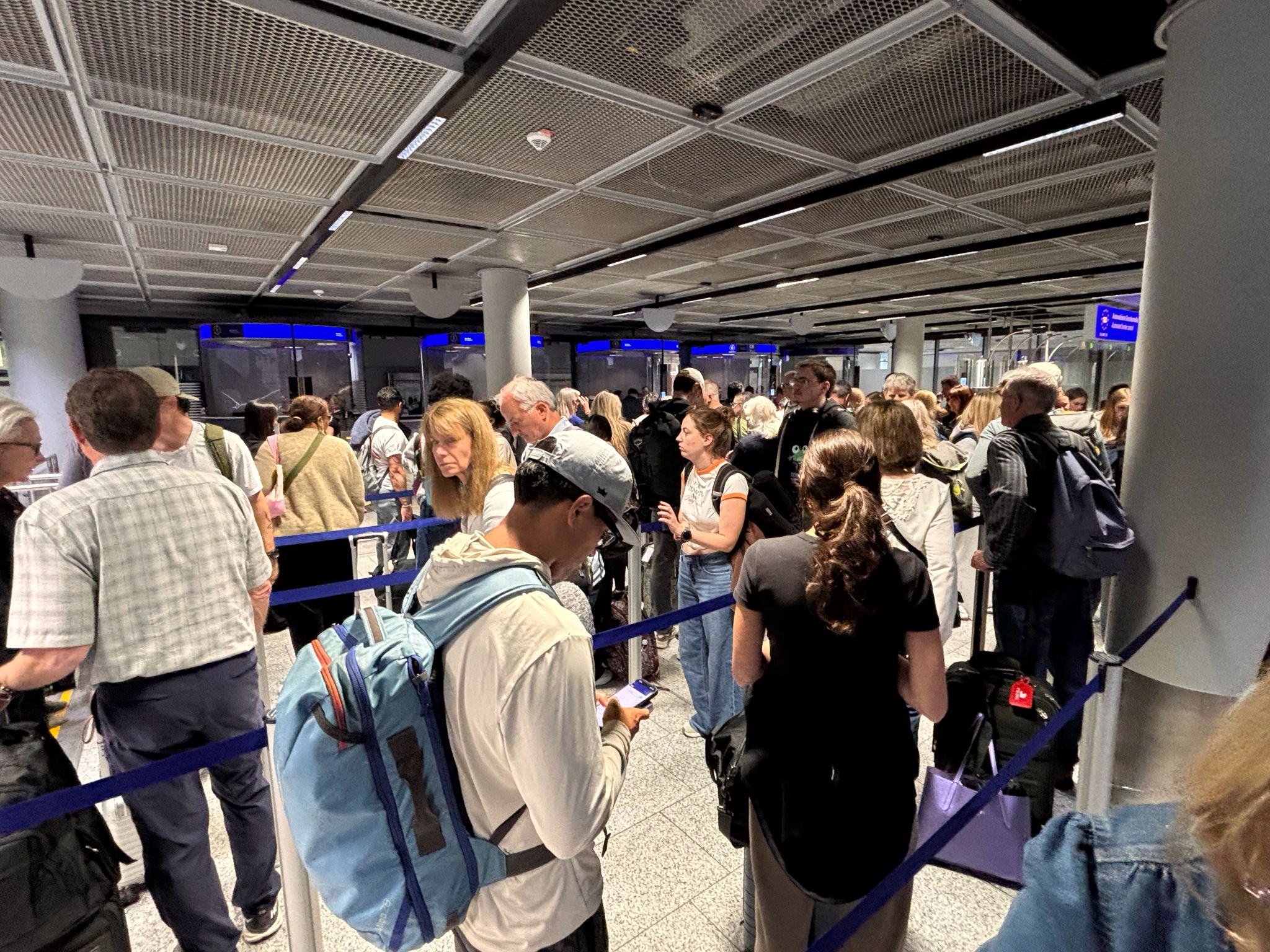
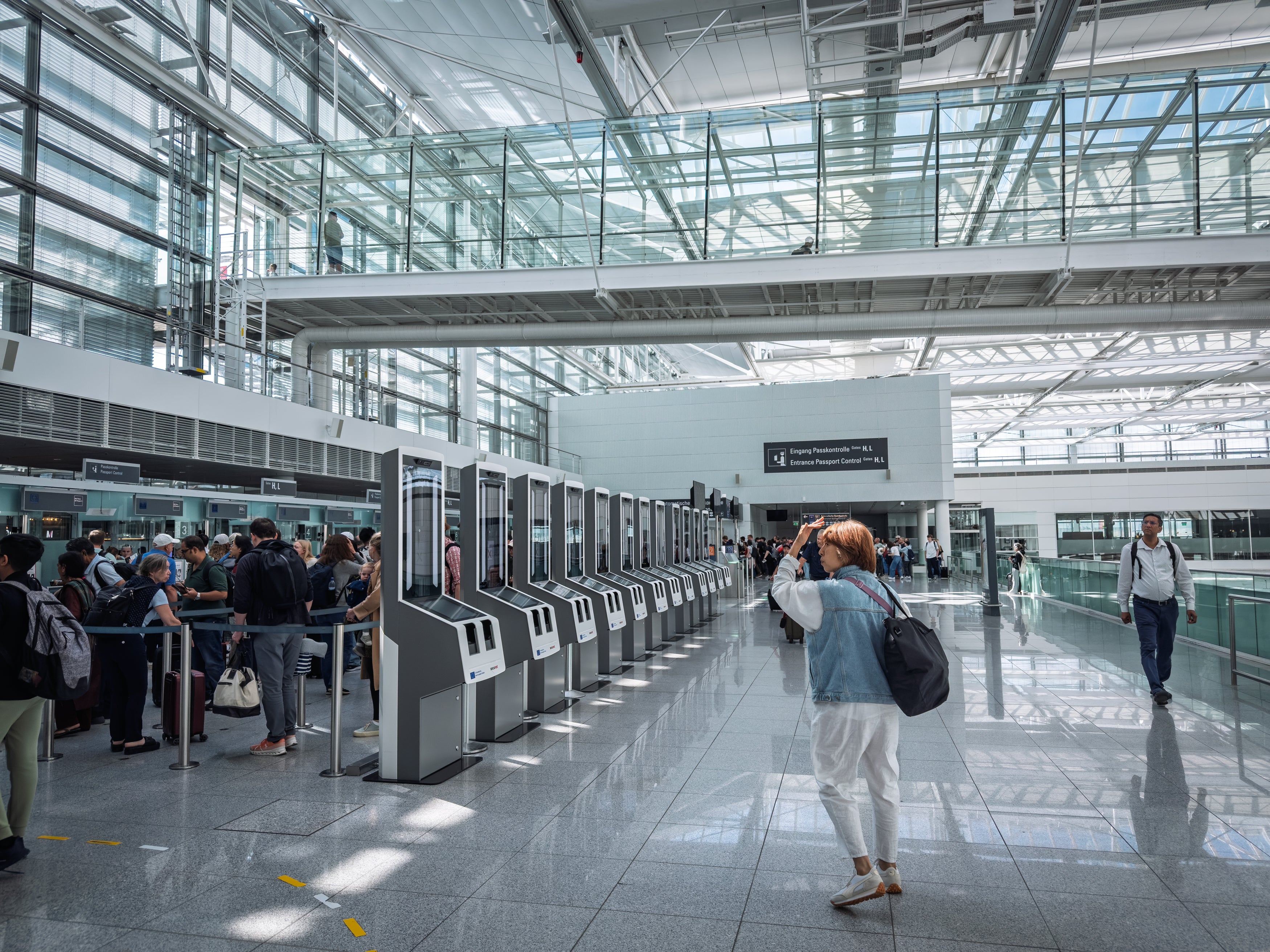
British travellers and other non-EU citizens experienced a summer of long queues in airports as they had to provide fingerprints and a facial scan each time they entered the 29 countries in the Schengen area.
France, Belgium, the Netherlands, Germany, Greece, Malta, Portugal, Italy and Switzerland have been allowed to delay implementing the scheme to “maintain border fluidity”, according to The Sunday Times, after the process has brought queues at the border and software difficulties.
The EES scheme was rolled out from October last year with expectations it would be fully in force by April.
Countries were subsequently granted a 150-day grace period where they could drop the checks over the summer in order to avoid travel chaos.
While this grace period expired on 6 September, the nine countries reportedly told the European Commission they would not enforce the new controls until the technology and systems were working correctly.
The publication added Brussels has informally permitted the countries to do so. The European Commission declined to comment.
Airlines and airports have criticised the EU’s handling of the new border checks, with Ryanair calling on the European Commission to “urgently extend the EES derogation until at least April 2027” to give airports and border authorities time to increase staffing levels and ensure the system can operate efficiently before full enforcement.
Ryanair’s chief operational officer Neal McMahon said on Monday: “The EU’s handling of EES has been a shambles from start to finish.
“Airlines, airports and border authorities repeatedly warned Brussels that the rollout was not ready, that it would increase processing times and that it would create excessive queues for passengers.
“Those warnings were ignored, with EU citizens the ones delayed and disrupted.
“Passengers should not be made to pay the price for the EU’s failed EES rollout.”
A government spokesperson said: “While the new EES checks are a matter for the EU, we recognise this is a significant change for British travellers and are doing everything we can to get people away on their summer holidays with as little hassle as possible.
“We have provided £10.5 million to improve infrastructure at the Port of Dover, Eurotunnel and Eurostar, a further £20 million to increase passport-checking and vehicle-holding capacity at the Port of Dover and are supporting traffic management measures including dedicated welfare sites where passengers can safely access food, water and facilities if severe disruption occurs.
“We are grateful to the French authorities for their close collaboration and their recognition of the need for high levels of border staffing over the summer, and will continue to work closely with our EU, operational and local partners to minimise delays for holidaymakers, hauliers and local communities.”


