


France spent much of the summer learning that there are limits to what even French food law can withstand.
After five bouts of extreme heat and a harvest almost two weeks earlier than last year, Champagne has had to relax one of its more sacred rules: some wines from the 2026 vintage will be allowed to reach 15 per cent alcohol, up from the usual limit of 13.
Not every bottle will suddenly arrive with the clout of a Californian red, but the direction of travel is striking. Maxime Toubart, co-president of the industry body Comité Champagne, has warned that this “unusual harvest will probably become the norm in 10 to 15 years”.
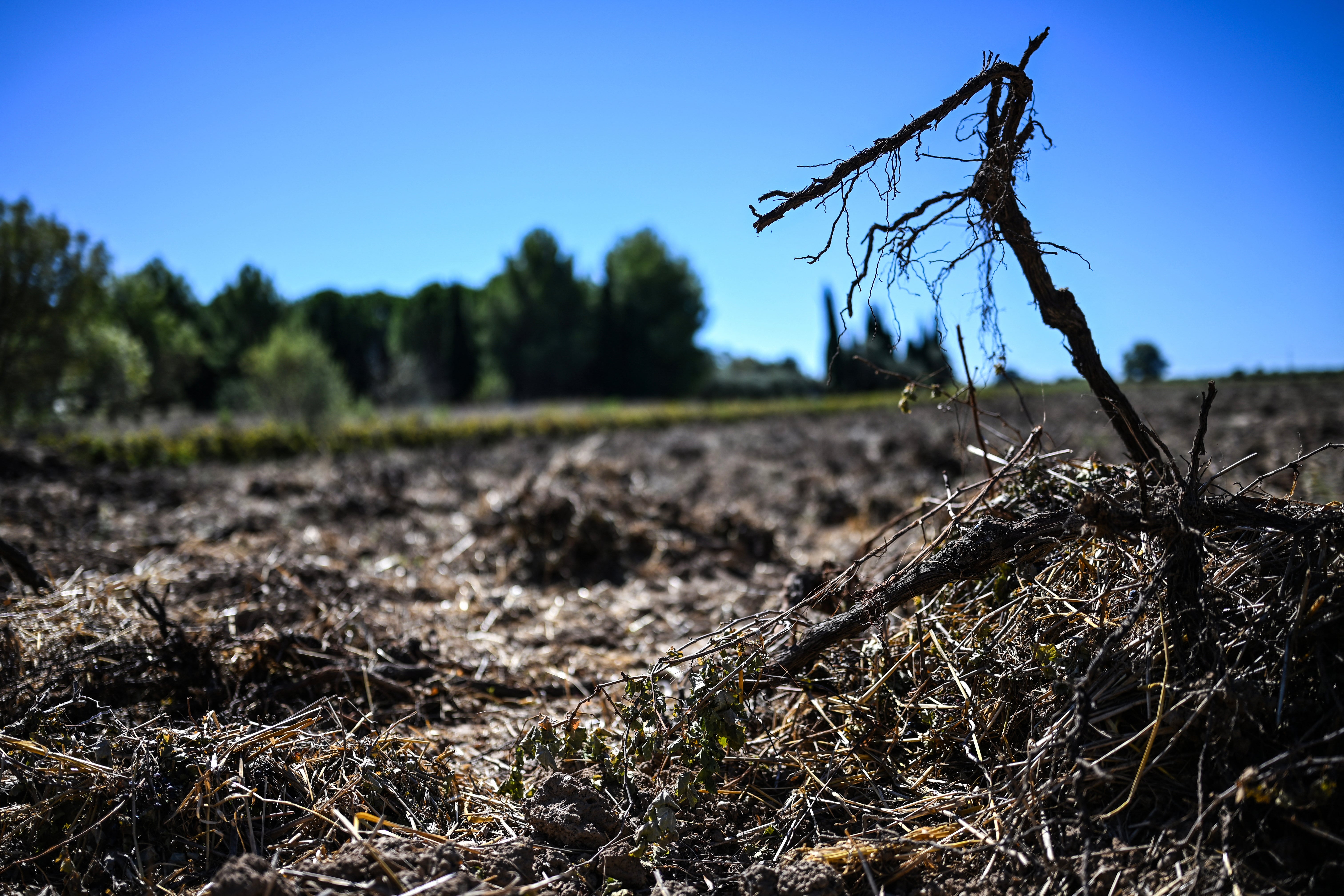
Hot, dry weather pushed grapes to ripen unusually quickly and left them richer in sugar. Yeast turns sugar into alcohol. Suddenly the world’s most tightly regulated fizz has a strength problem.
It would be easy to treat this as one of those strange climate stories that produces a good headline (and possibly a bad hangover) and disappears. But Champagne is hardly alone.
France has just endured its hottest summer since records began in 1900, with 53 days of heatwave conditions and rainfall almost 40 per cent below normal. Britain has also had its hottest summer on record.
Extreme heat does more to food than make it scarcer and more expensive. It can change the way it tastes, ripens and behaves. It can alter the composition of milk, wheat and eggs. It can even force governments to rewrite the rules on how our most famous foods are produced.
From bitter lettuce to sunburnt melons, this is what happens when dinner gets too hot.
France is also having to rewrite the rules of cheese
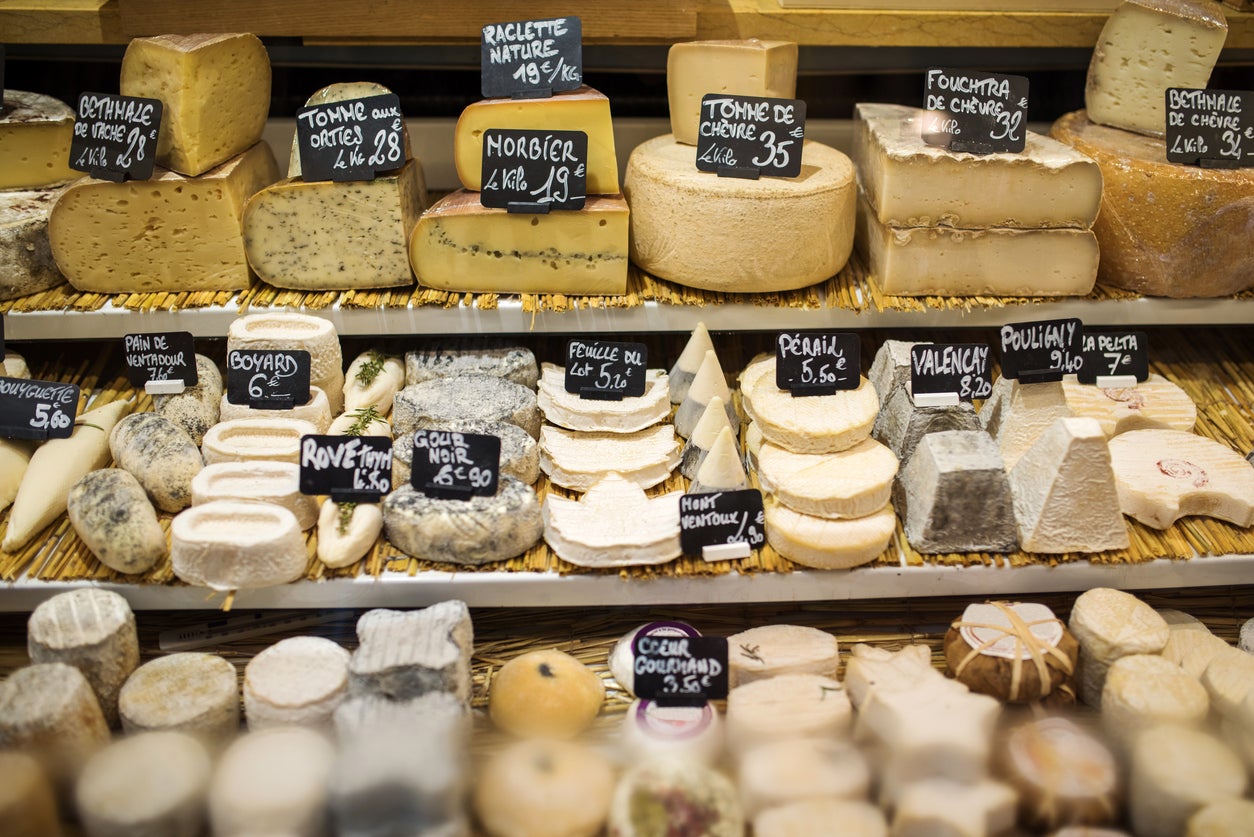
The French approach to cheese is not generally characterised by flexibility. Protected designations dictate where cheeses can be made, how they are produced and, in some cases, even what the cows actually eat.
Drought has made some of those rules impossible to follow. France’s National Institute of Origin and Quality has approved temporary changes for dozens of protected products, including Comté, Beaufort, Reblochon, Roquefort and Abondance.
For Abondance, at least half of a herd’s summer ration would ordinarily have to be grazed grass. In 2026, that has been cut to 15 per cent, while farmers have been allowed to bring in far more dried forage from outside the designated area.
Terroir is all very well, but a cow cannot graze a field that has been scorched brown.
Lettuce gets stressed – and bitter
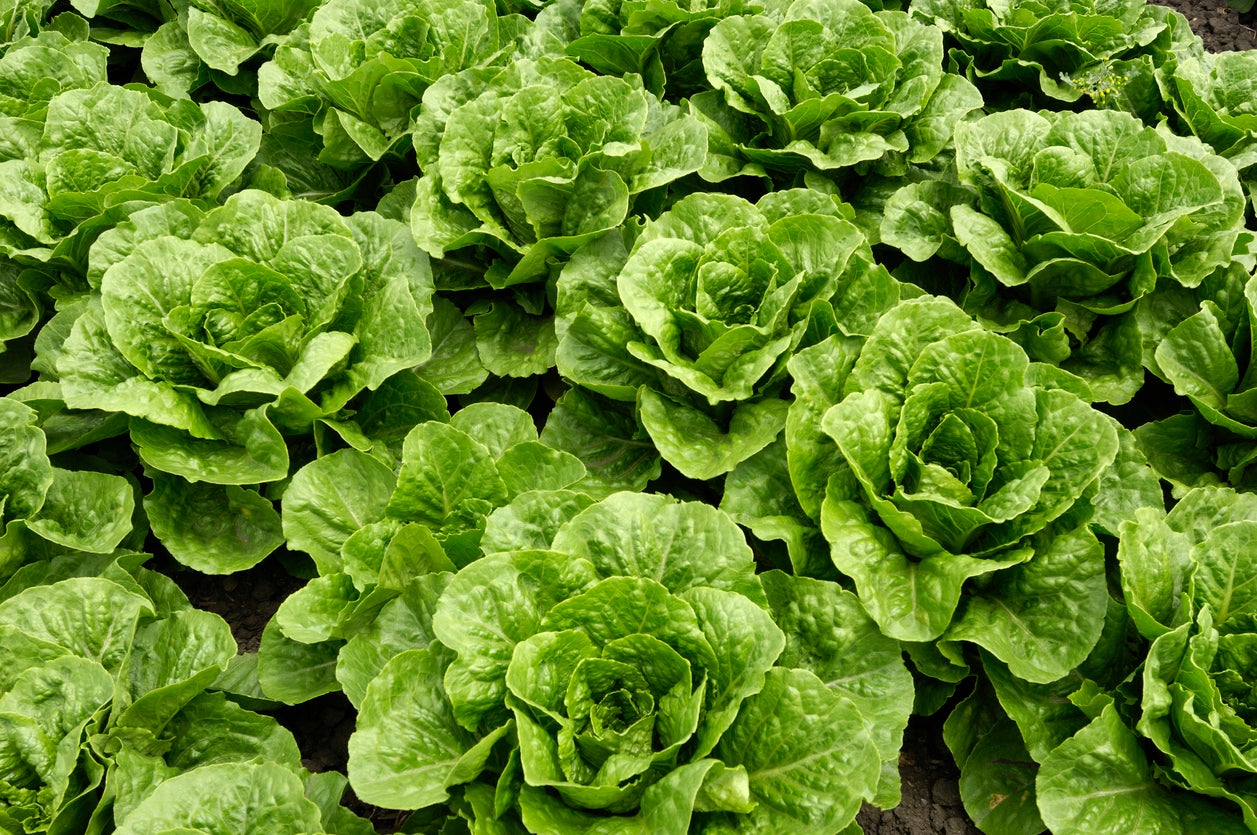
Lettuce has limited options during a heatwave. “Plants … have no option of going to a cooler place,” said Utrecht University researcher Esther van den Bergh.
“For lettuce, warmer temperatures make the plant bolt, as the stressed plant wants to elongate its stem [and] make flowers and seeds as fast as possible.” Unfortunately, the leaves become bitter in the process.
Researchers are studying southern European and wild lettuce varieties for traits that might help commercial crops withstand hotter conditions.
Britain has already had a taste of the problem: this summer the Environment Agency reported that the UK salad production season finished two weeks earlier than usual after prolonged hot, dry weather.
Tomatoes can forget to turn red
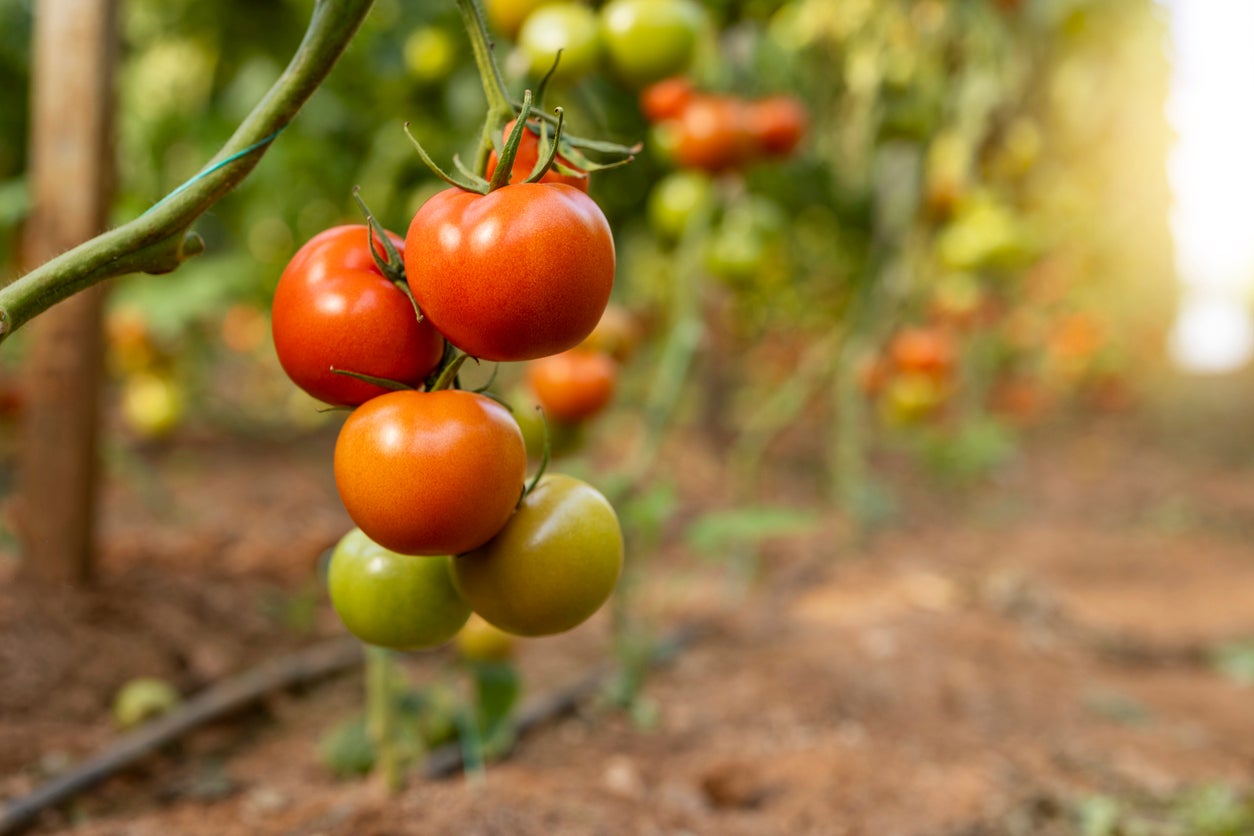
A tomato that stays stubbornly orange may not simply need another day.
Research published this year in Plant Science found that exposing mature green tomatoes to temperatures of 35C and 42C suppressed production of lycopene, the pigment responsible for a ripe tomato’s red colour. It also disrupted hormones involved in the actual ripening.
Under enough stress, the fruit effectively prioritises survival over becoming the glossy, scarlet specimen shoppers expect. The result can be tomatoes that are orange, patchy or apparently unripe even when they have technically matured.
Melons can get sunburn
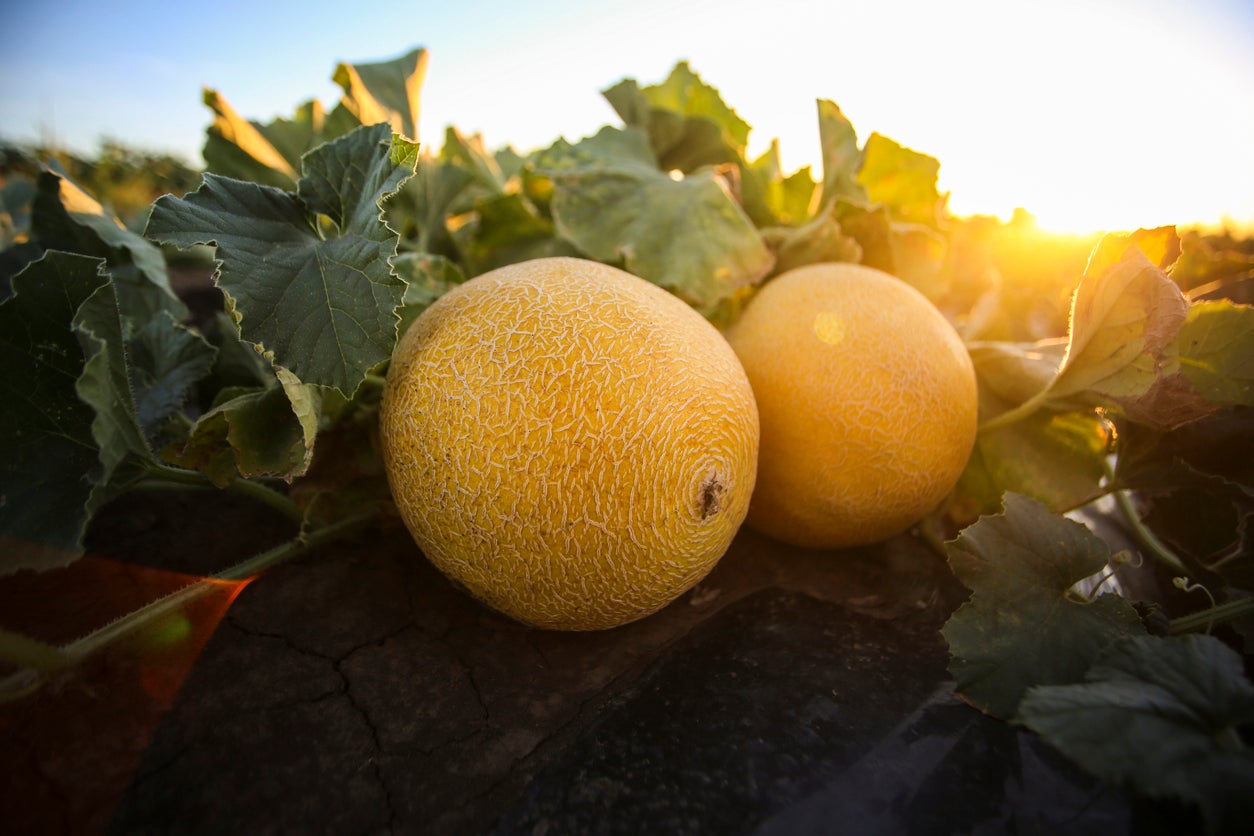
Brits abroad aren’t the only ones coming out of a heatwave pinker than intended.
In Nouvelle-Aquitaine, one of France’s major fruit-growing regions, agricultural officials reported that intense heat was drying melon foliage, disrupting pollination and causing some young fruit to drop prematurely. Exposed melons were also developing burns.
There were fewer melons overall, although those that survived tended to be larger than average. Waste was also higher because of what officials described as “coups de soleil” – sunburn.
Apples in the same region were suffering burns too, with some areas estimating potential losses of five to 15 per cent.
Hens lay lighter eggs with weaker shells
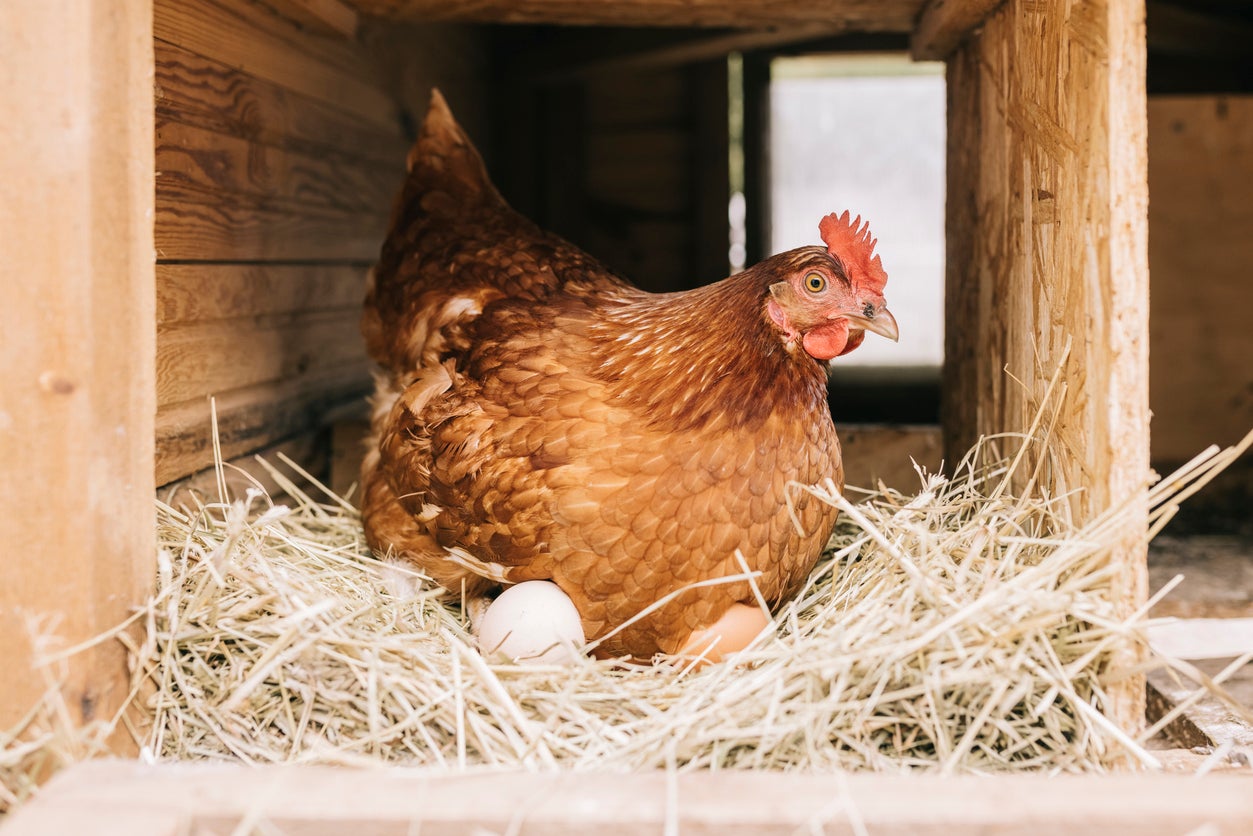
Feathers might be excellent insulation, but the problem is: chickens cannot sweat.
A 2026 Ohio State University-led study kept laying hens at 35C for 12 hours a day for eight weeks and compared them with birds kept at 22C. The heat-stressed hens ate less, initially laid fewer eggs and produced eggs that were significantly lighter and had weaker shells.
By the last week, their eggs averaged 56.64g against 60.91g in the control group.
Researchers also found changes in blood chemistry and reduced activity in genes involved in shell mineralisation. A heatwave can, quite literally, make an egg more fragile.
Milk can taste different before it reaches the dairy
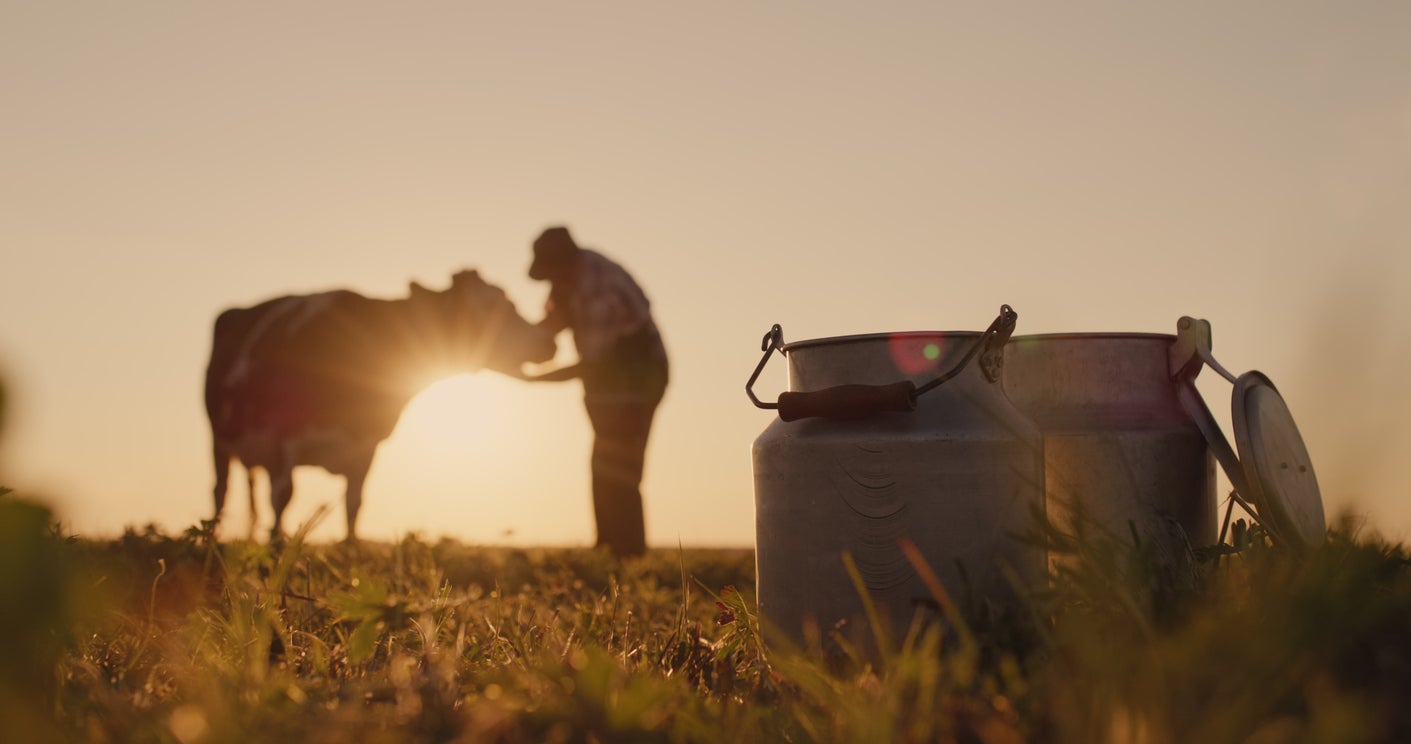
Much like a lot of Brits this summer, hot cows generally eat less food. They also produce less milk. Researchers are now finding that heat can change the milk itself.
A 2025 study of raw cow’s milk found heat stress altered its chemical and microbial composition. Levels of several beneficial unsaturated fats and amino acids fell, while compounds associated with unwanted flavours increased.
Among them was hexanal, linked to oxidised or rancid notes, alongside ketones and sulphur compounds. Compounds associated with sweeter aromas also fell.
This does not mean the pint in your fridge suddenly tastes of hot cow. But it does suggest that prolonged heat can affect milk quality before it’s even left the farm.
Wheat can become higher in protein – and that is not necessarily good news
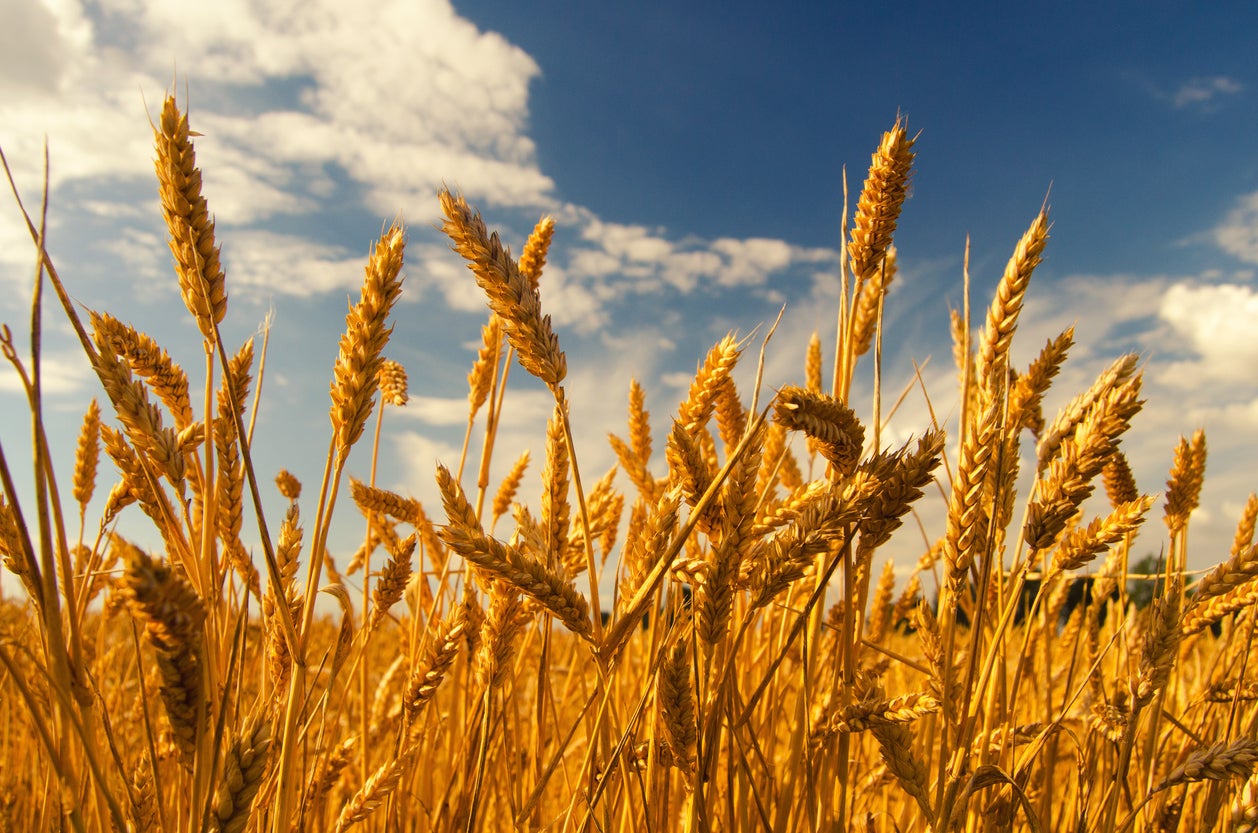
In 2026, more protein sounds like an upgrade. In wheat, it’s more complicated.
A major 2026 analysis found heat stress reduced grain weight by 12.7 per cent and starch by 6.5 per cent, while increasing protein and wet gluten. That may sound like a nutritional win, but it can mean smaller grains, less usable starch and changes to the protein balance that affect how flour performs in baking.
For Britain, the problem is immediate. After another prolonged dry growing season, the Agriculture and Horticulture Development Board says UK wheat yields are around 12 per cent below the five-year average. Hotter weather can leave us with less grain while changing what’s inside it.
Climate change could put more arsenic in rice
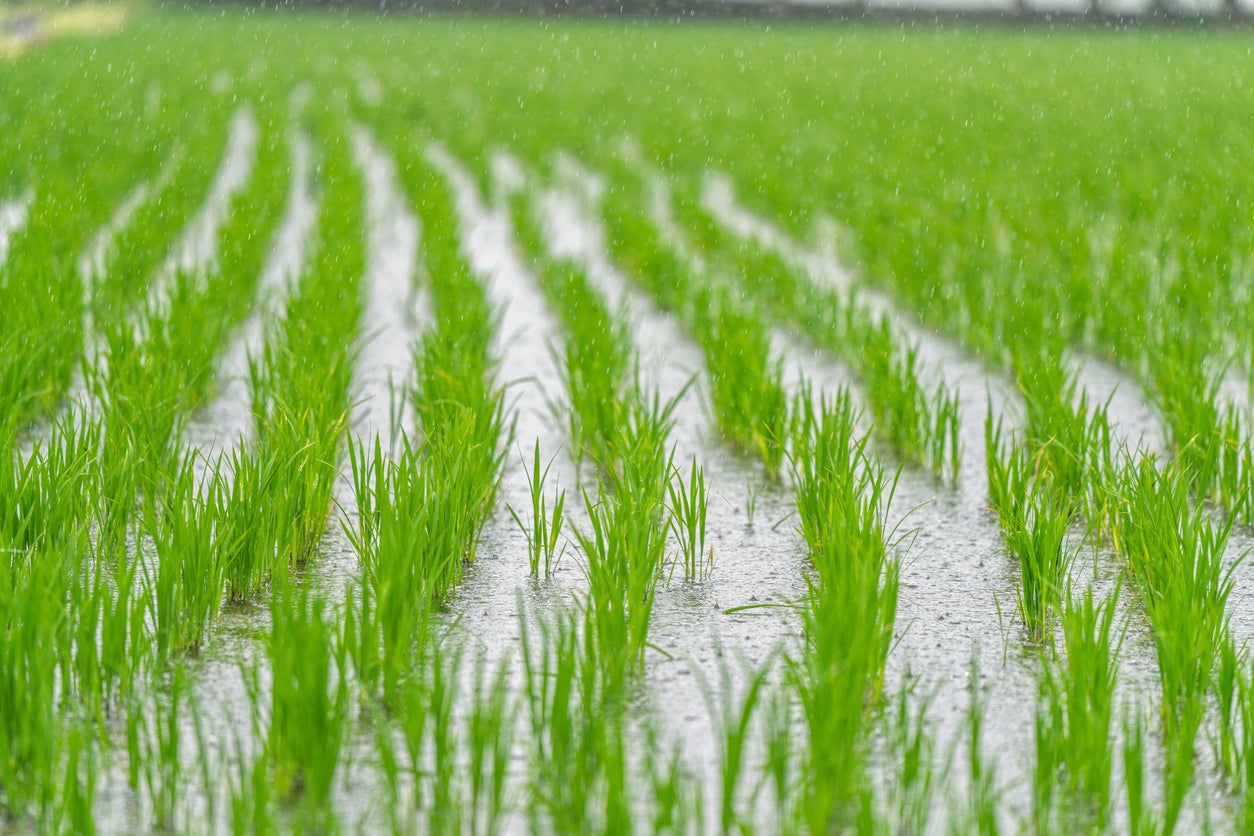
Rising temperature may change something rather less obvious about rice: how much arsenic ends up in the grain.
A major 2025 study found that higher temperatures combined with increased atmospheric carbon dioxide raised concentrations of inorganic arsenic in rice grown in flooded paddies. The effect appears to come from changes in the chemistry of the soil, which make arsenic more available for the plant to take up.
Researchers projected that, without adaptation, the change could increase dietary exposure in some of the world’s biggest rice-eating countries by the middle of the century.
Hotter seas can make oysters riskier to eat
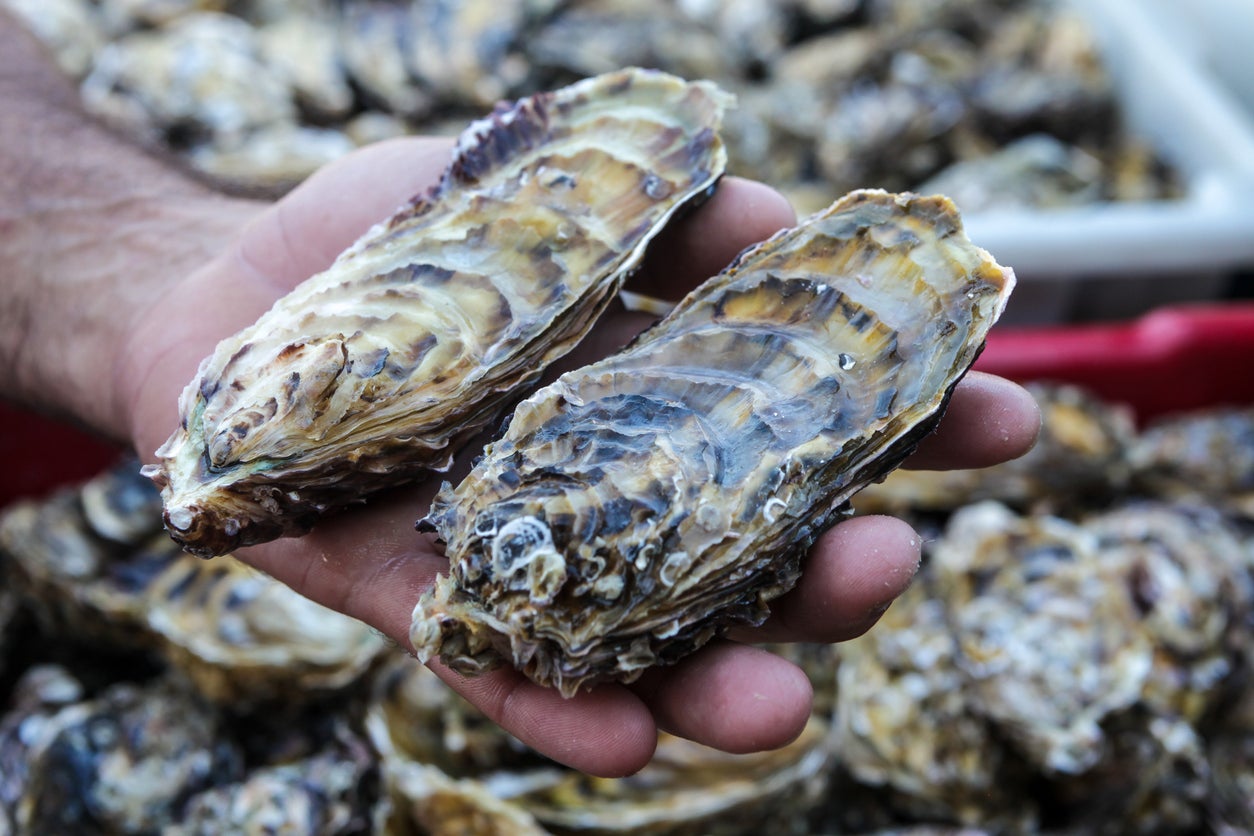
For the final course, things get even less appetising.
Vibrio bacteria occur naturally in coastal waters and flourish particularly well when the water is warm. People can become ill after eating contaminated raw or undercooked shellfish, including oysters.
This July, amid Europe’s heatwaves, the European Centre for Disease Prevention and Control upgraded its monitoring tool to track where conditions are most favourable for the bacteria. After an early summer heatwave in central Europe, it said the risk had risen to “unusually high levels for so early in the season”.
European infections remain relatively rare, but warmer seas create more opportunities for vibrio to grow.
Are there any winners?

Not every change has been unwelcome. Britain started from being a place where everyone complained about how cold and wet it was, which means a little extra warmth can sometimes be useful – and not just for morale.
Wine is the clearest example. Growing season temperatures in the UK’s main wine regions have risen by about 1C since the late 20th century, helping turn English and Welsh wine from a curiosity into a serious industry.
There are now more than 1,150 vineyards across Britain, while the hot, dry conditions of 2025 produced the earliest and ripest harvest ever recorded here. Warmer conditions could eventually make good Chardonnay considerably easier to produce, too.
The vegetable patch is changing with it. The RHS found aubergines, melons and peppers doing unusually well outdoors, while this year sweet potatoes have enjoyed the hotter soil. In the northwest, RHS Bridgewater even ripened an outdoor apricot for the first time last year.
The government’s own assessment is that, in the medium term, warmer and drier conditions could increase the range of crops Britain can grow and lengthen the growing season.
There is an obvious catch. The same warming that makes an English vineyard more viable also brings the drought, heatwaves and violent swings in weather that make farming less predictable. We might get better Chardonnay and home-grown apricots. But it’s not much consolation if everything else becomes harder to grow.
Stronger champagne is the sort of climatic oddity one can joke about. Put it beside bitter lettuce, sunburnt fruit, weaker eggshells, altered wheat, poisonous rice and bacteria-friendly seas, and the joke begins to wear thin.
The heat is not just changing what food costs, or how much of it is available. It’s beginning to change the food itself.


