


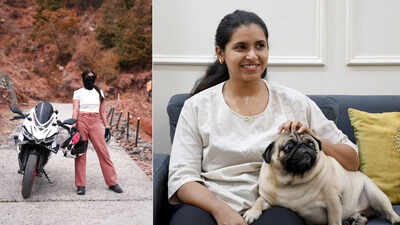
Her injuries will heal, but riding a bike will not be the same again for Shivani Chauhan, who survived a road rage incident in Gurgaon last week in which a man in a car chased Shivani and knocked her off her moving bike on Golf Course Road. “I don’t know when I’ll start riding again, but whenever I do, I’ll have that fear that this can happen again – that another car can come from behind and hit me,” she says.It’s a fear women bike riders understand, and echo, because of what they describe as “unprovoked aggression” that comes their way on roads. Riders TOI spoke to described being chased, tailgated, obstructed, challenged to race and subjected to lewd gestures simply for being women on motorcycles.
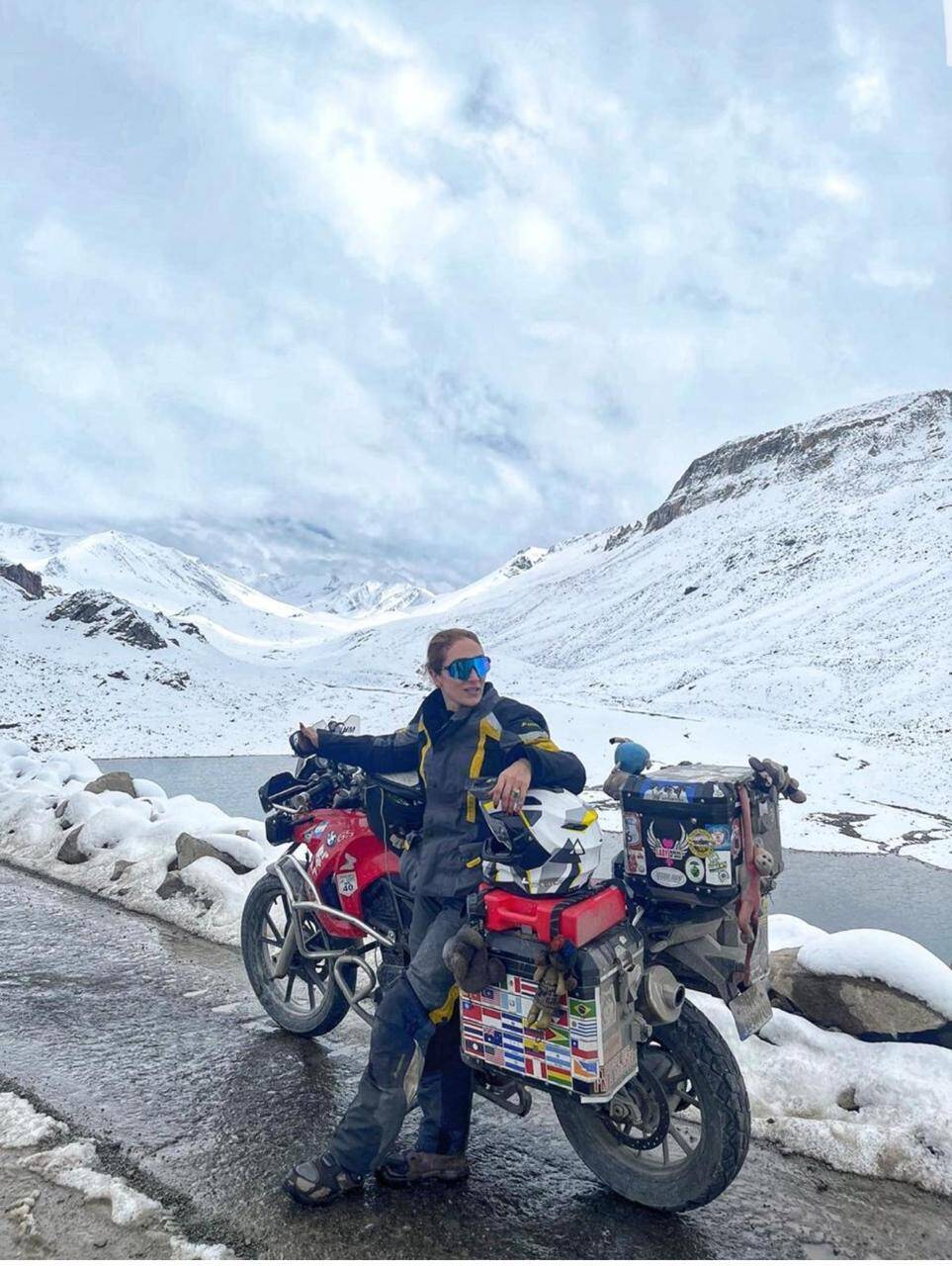
‘Danger is a tax women bikers pay on roads’: Maral Yazarloo-Pattrick – Pune
Delhi-based rider Neharika Yadav said men have chased her from different angles to take photographs or start conversations, while Gurgaon rider Geetika Khurana recalled an incident of men blocking her way and revving alongside her to provoke a race. Male drivers revving their engines, driving dangerously close, honking incessantly – Mumbai-based motorcycle trainer and motivational speaker Shilpa Balakrishnan (51) describes this as a “routine” experience for woman on bikes. “Many have tried to corner me when I overtake. They behave this way simply because they see a woman riding,” she says.
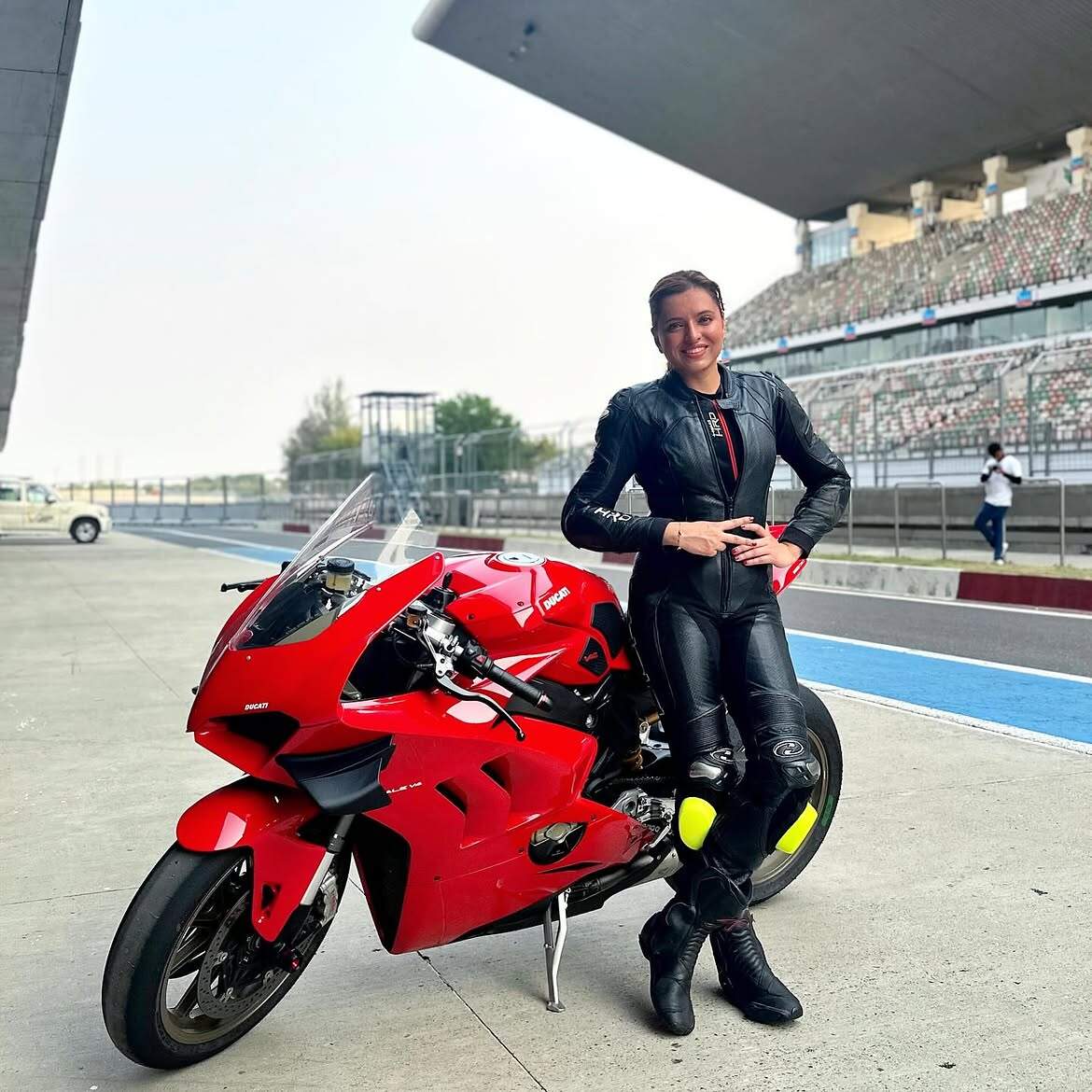
‘Even in 2026, there are men who can’t seem to digest a woman on two wheels’: Neharika Yadav, Delhi
The India Women Rider Safety and Mobility Report 2026, based on responses from 542 women riders, found that 57% had experienced harassment on the road.For Shivani (27), who started riding only two years ago, the Sept 13 incident has forever changed the “therapeutic experience” of riding her Aprilia. “The incident keeps playing on my mind on a loop every now and then. It has affected me very badly, I think it will be a long time before I’m able to pick up the bike again,” says Shivani, who had kept her biker identity a secret on social media. As ‘Sia’, she felt freedom.
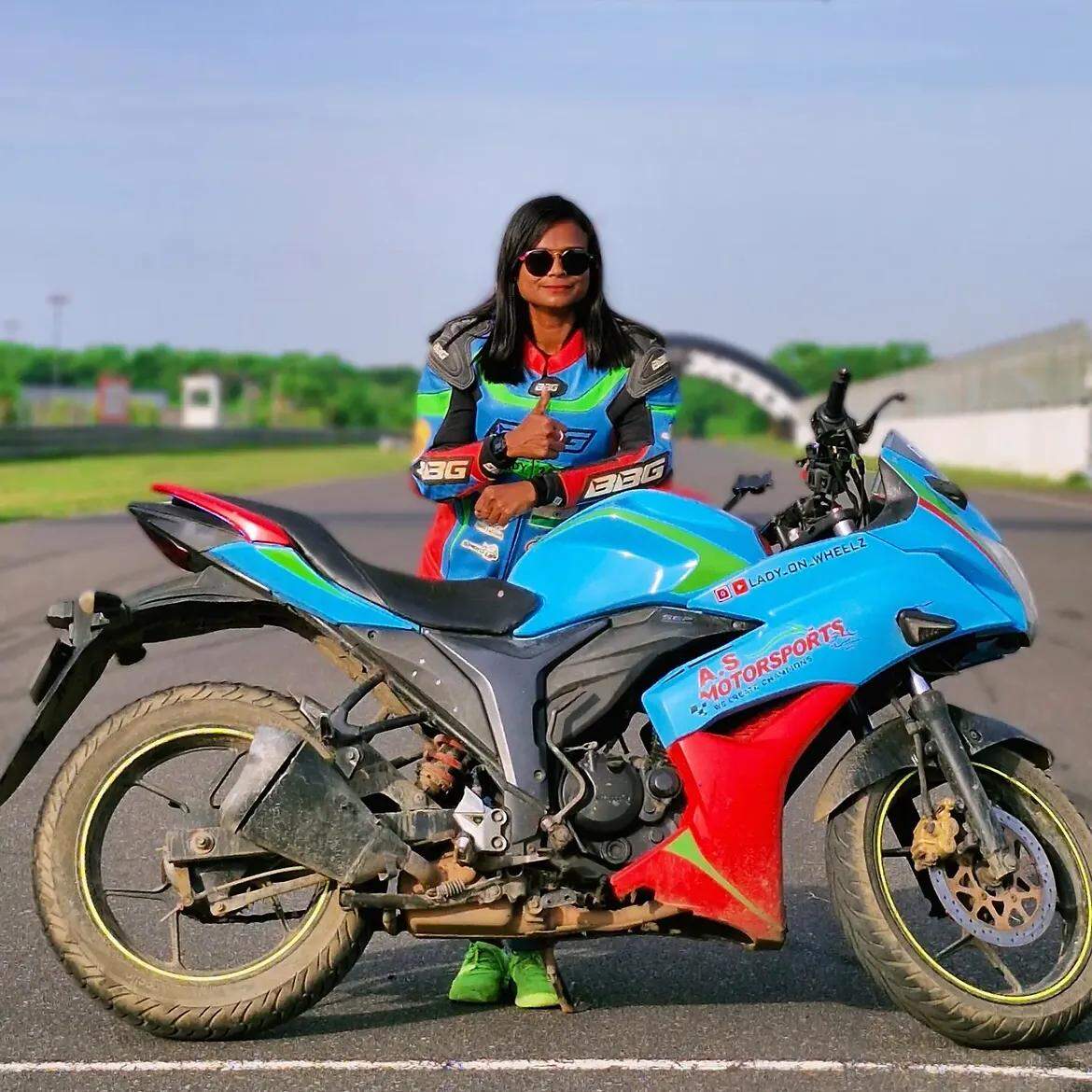
‘It feels like we are hurting the male ego just by being on the road’ — Soundari Sindy, Chennai
Neharika, a dentist based in Delhi, and Pune-based fashion designer Maral Yazarloo-Pattrick (45) can relate. “I ride a bike because it gives me joy, not because I want to prove anything to anyone. In Delhi-NCR, we get cast into a stereotype. Even in 2026, there are men who can’t seem to digest a woman coming on two wheels. Since traffic here is dense, there are men like (Kalyan) Bainsla (who attacked Shivani) who will not give space to a woman rider. They will keep instigating you. I think they get some perverse joy out of it,” she says.Yazarloo-Pattrick says danger is a tax women bikers pay on roads and freedom is the reason they keep paying it. “Such behaviour is an everyday reality. I’m shocked that anyone in India is surprised,” she says. Earlier this month, she was returning from Ladakh when she noticed a black SUV without a number plate following her. She switched on her GoPro but did not try to outrun it. Instead, she slowed down and pulled into a petrol pump. “If someone is chasing me and I cannot safely get away, I always head towards a crowded place.”
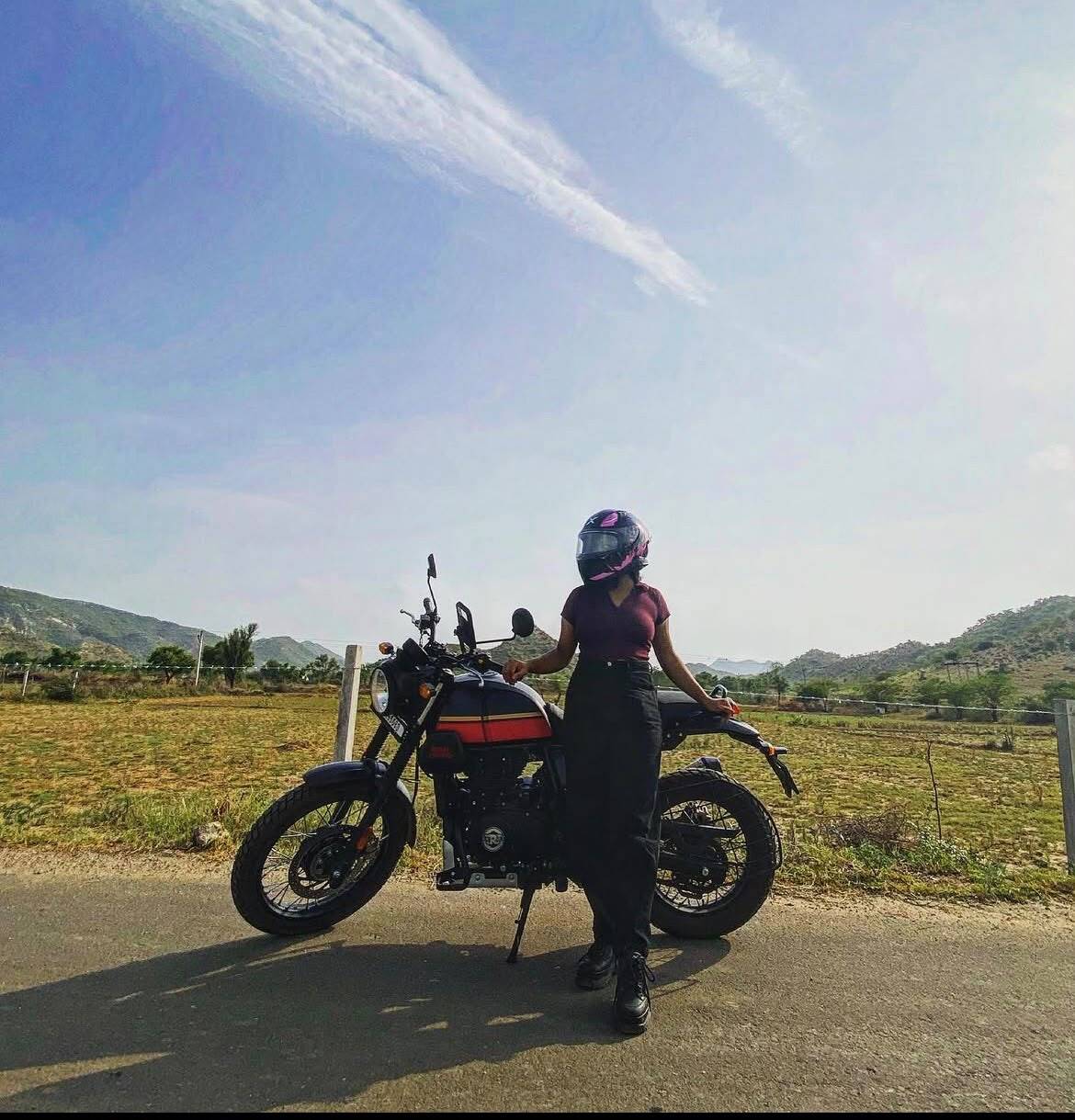
‘While going from Gwalior to Hyderabad, a group of men followed me for 45 minutes’: Atulya, Rajasthan
Suparna Sarkar (39), chief instructor at a motorcycle training academy in Gurgaon, tells TOI what made Shivani’s case different was that the aggression was caught on camera. “It’s just that she had a camera, so it led to widespread anger. Girls I teach biking to often share incidents where either people tried to race from behind or they were hit,” she says. Sarkar has experienced it herself. In 2023, she was riding near Mahipalpur in Delhi when a vehicle hit her. “There were no cameras in the area. I didn’t have a camera either,” she says.
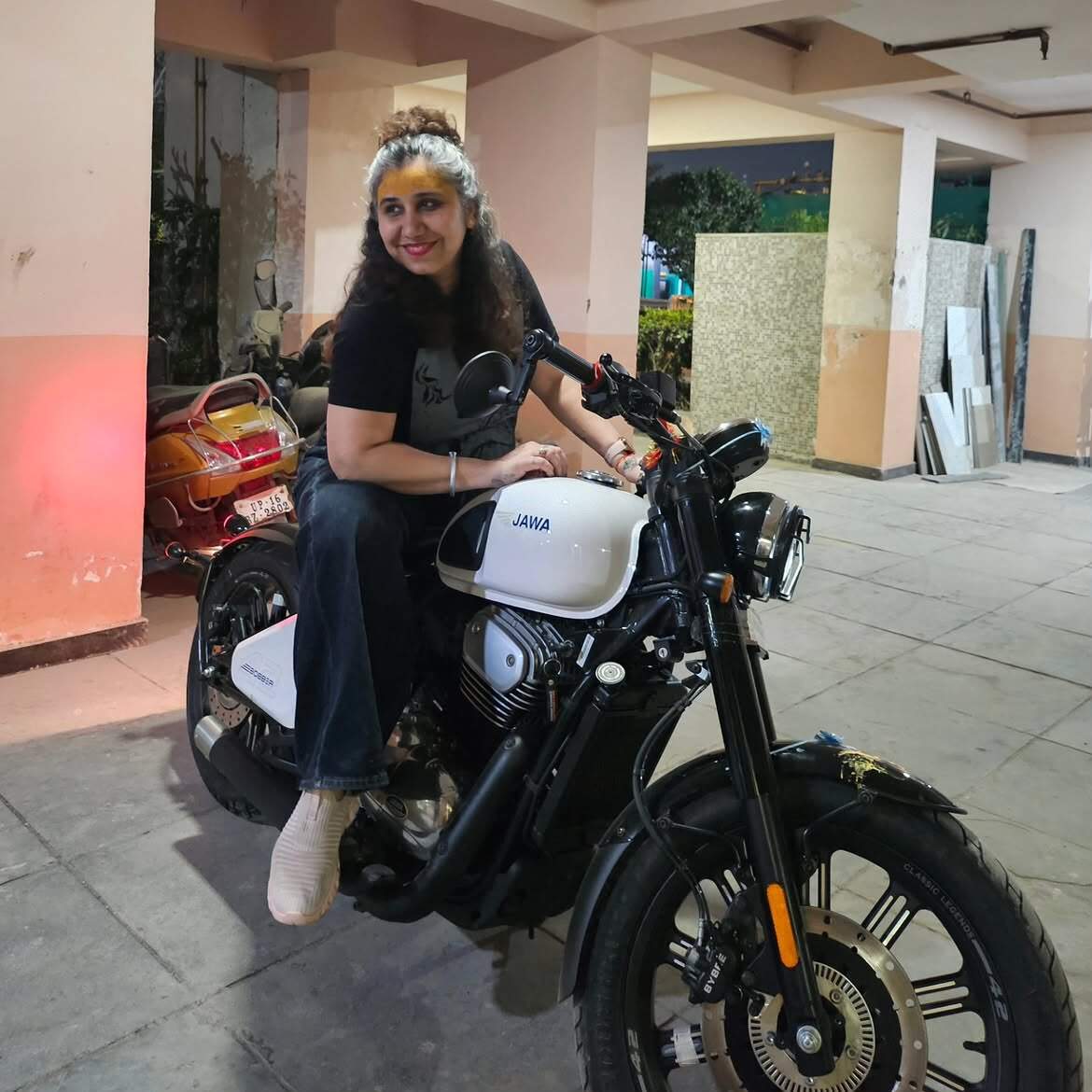
Patriarchal conditioning has taught men that women must be watched, judged and corrected — Devika Mehta, Noida
Soundari Sindy, a lawyer in her mid-30s based out of Chennai, says attitude towards women riding bikes is similar across the country. “It almost feels like we are hurting the male ego just by being on the road,” she tells TOI. A professional racer, Soundari commands a 150cc bike with her 5ft 1in frame. “Snide comments are common. There are strangers who have made fun of me, saying my feet would not touch the ground,” she says.Sandhya Das, a 38-year-old IT professional who rides with Soundari, agrees that the sight of her on a bike is somehow “not palatable to some men”, whether she is in traditional attire or in biker gear with a jacket and gloves. “Men have tried to zip past me and tried to throw me off balance,” she says.
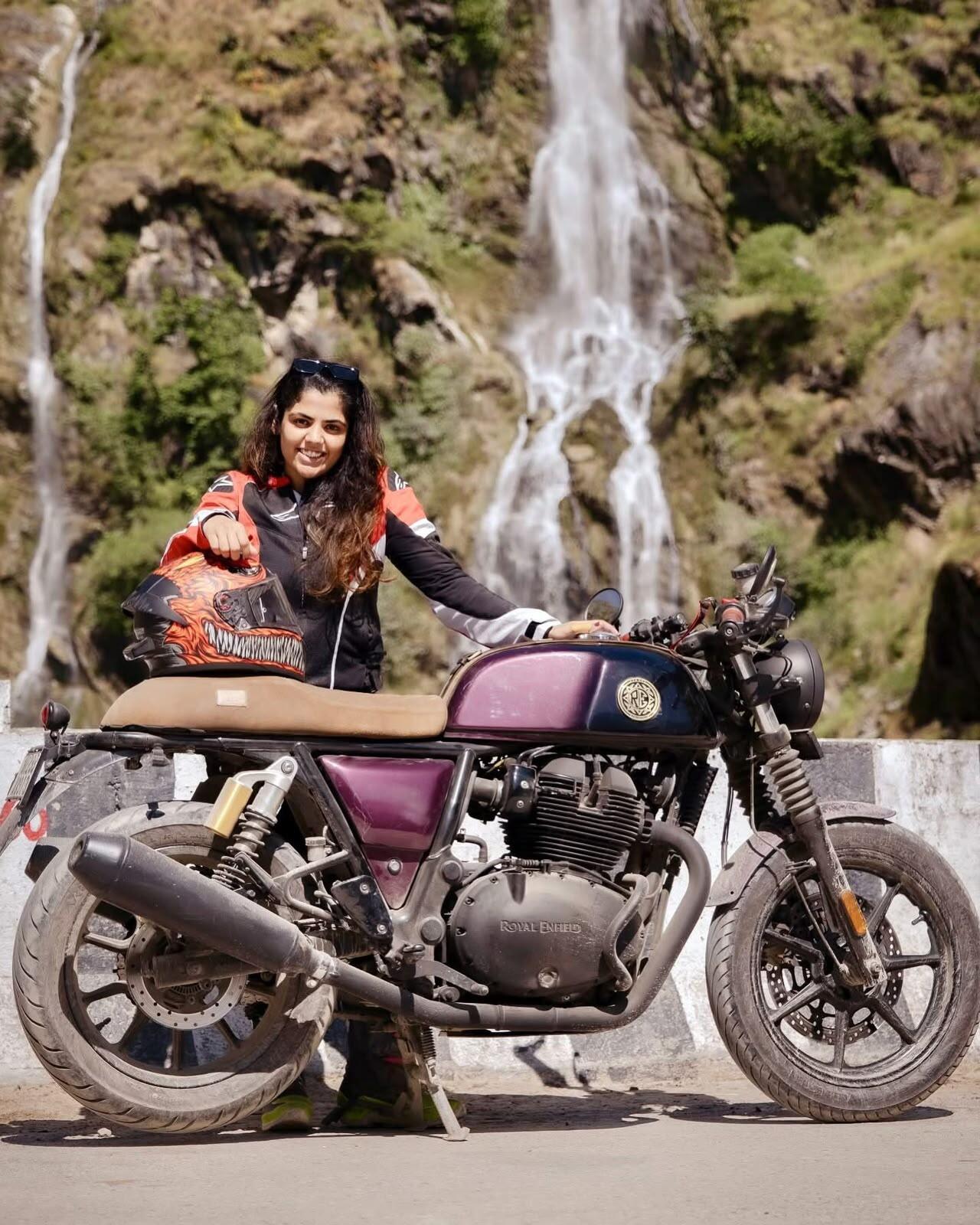
Just treat us like a normal rider — Riya Yadav, Gurgaon
Chetana Naik (37) from Mumbai, who twice encountered a group of make bikers intimidating and overtaking her – in Kashmir recently and in Punjab earlier – adds, “For some men, being overtaken by a woman appears to be an insult that must be avenged. They begin intimidating us till their egos are satisfied,” she says.Professional rider Anita Krishnan says even riding gear can be misread by some motorists as an invitation to race. “They start racing with you. It could be a car or even a bike. They will whizz past you at speed, trying to entice you into a race. This is very common,” she says. For long-distance riders, she points out, jackets, helmets and boots are protection from crashes, flying debris, rain, heat and cold, not racing gear.Krishnan says she sometimes tucks her hair inside her jacket so motorists cannot immediately tell that she is a woman. “The gear also camouflages whether you are a woman. If your hair is out, only then people would know you are a woman. So, I would mostly hide my hair,” she says.For 23-year-old Anainah Batiwala, camouflage goes further. The Mumbaikar does not feel comfortable riding in shorts and, after dark, goes out in baggy clothes. “I dress like a guy in baggy pants,” she says. “I wear my actual going-out clothes underneath.”Atulya (23) remembers being scared for her life a couple of years ago while travelling from Gwalior to Hyderabad. A group of men followed her bike relentlessly for about 45 minutes on the highway. “I kept riding for about 10-15km even after I lost them. I was so scared that something would happen to me if I applied the brakes,” she says.Atulya, who is originally from Kerala but grew up in Rajasthan, has been riding her bike all over India from the age of 18. While the incident rattled her, she decided to keep going.Delhi-based biker Meenakshi says long group rides can become particularly vulnerable on the return journey because riders who set out together often disperse while heading home. “Often, we get calls from riders asking for help from passers-by, or they call us to say that two or three people are following them,” she says. Krishnan says women travelling alone or in smaller groups also become more selective about where they stop after dark and often share their live location with family members.Organised riding groups have built formal safety systems around that vulnerability. Some assign a leader at the front, a tail rider to make sure nobody is left behind, and a marshal to keep both ends connected. “Men may have the liberty to stop anywhere, but women have to take extra precaution,” says Saify Ratlamwala, who runs riding groups in Navi Mumbai.Devika Mehta, a media professional from Noida, narrates how a BMW came dangerously close to her bike on a curved road, nearly running her off.“Remarks, lewd gestures, honking, and constant stares make our freedom rides really ugly. If they don’t hit you, they will come extremely close or follow to just mess with you,” the 40-year-old says, blaming this behaviour on “generations of patriarchal conditioning that has taught men that women must be watched, judged and corrected”. “Add weak impulse control, peer bravado, lax policing and near-zero consequences and harassment starts to feel normal, even entertaining, to them,” Devika says.Geetika (25), a PR professional based in Gurgaon, said catcalling, teasing and obstructing the way are things most women riders have gone through in NCR. “The day I took my first ride, the experience was not pleasant. A group of boys obstructed my way and challenged me to race with them by coming close and revving their bikes. Since then, I’ve only taken my bike out early morning when I’m assured of encountering the least traffic.”Sarkar says it’s “not all bad that women just can’t ride on Delhi-NCR roads”, but agreed there is a “section of people who create nuisance” and that can happen anytime. “It’s not only a women rider problem, but a women safety and road safety issue. When people are on the road, they should behave. When someone is driving a car, there is a base, there is support, it will not lose balance. But when you are on a two-wheeler, even the minutest touch will make you fall,” adds Sarkar.Though less exposed than those on two-wheelers, women who drive cars say they have also encountered a “sense of entitlement” from strangers on the road, including cab drivers.Pooja (38), who has been driving for 12 years in Delhi, says comments are common, not because she has done anything to provoke it but because it’s a woman at the wheel. “I keep getting told by strangers that the size of my car (a Scorpio) doesn’t ‘match’ mine.”Rupali, an advertising professional from Noida, says she once deliberately slowed down to let a group of men overtake her in their car, just so she wouldn’t be harassed. This did not deter them. “They stopped and waited for me to pass, rolled down the windows and showed me their middle fingers,” the 35-year-old says. After they sped off, Rupali says, she drove at 30kmph so she wouldn’t encounter them again.Yet the hostility has not stopped more women from taking up motorcycles. Meenakshi says the number of women she sees learning to ride has increased sharply. “Three years ago, if I trained 10 women in a month, the number would be 60-70 now,” she says. The profile, according to Krishnan, is changing too, with women in their 40s, 50s and even 60s increasingly taking up long-distance riding.
Share your thoughts in the comments
Be respectful · TOI community guidelines
Dnyanadaa Mhaskar is an example of that change. The Navi Mumbai schoolteacher began riding at 41, bought a motorcycle while still on a learner’s licence and, by her own account, barely knew how to work the clutch and gears. She later borrowed her grocer’s 100cc Hero for a ride to Pune and joined an all-women motorcycling group. Now 54, she says simply: “Riding is my solace and my bike is my soulmate.”Riya Yadav, a Gurgaon-based professional biker who has been riding since she was a teenager, adds, “People need to realise that we are just riding a bike. We are not doing some rocket science. Just treat us like a normal rider.”Most of these women say they have learnt to live with the unwanted attention on roads. “I think society at large has to change for us to see any meaningful change in men’s mindset towards a female driver. Till then, women need to take utmost precautions while riding. And be brave,” Shivani says.


