


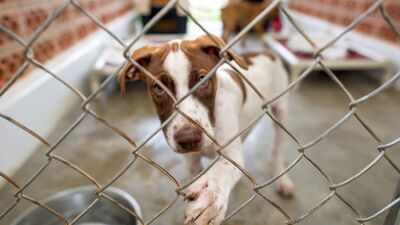
In 2017, June Thomas began rescuing stray “rez dogs” from her own home on Roseau River Anishinabe First Nation in southern Manitoba, driven by concern for the many unvaccinated, unsterilised animals roaming the reserve. After surveying 200 homes, helping sterilise more than 65 dogs and cats and coordinating several on-reserve clinics, she has now opened what she believes is Manitoba’s first on-reserve animal shelter. The facility, run under her organisation Ginew Animal Care Services, aims to provide a sustainable, community-led solution to overpopulation and disease while reducing the need to transport pets off-reserve for basic care, according to IndigiNews.
From a personal loss to a community mission
June Thomas’s journey began with grief. Her beloved dog Bessie fell ill and died from canine parvovirus, a highly contagious and often fatal disease that spreads quickly among unvaccinated dogs. Watching Bessie suffer made Thomas realise how vulnerable animals were in her community, where access to routine veterinary care, vaccinations and spay-and-neuter services was limited. What started as a small home-based effort she called “June’s Adoptables” gradually grew as more dogs and cats needed help.Over time, the operation outgrew her house. Thomas enrolled in a veterinary assistant program, graduating in 2024 from Robertson College and becoming certified to administer vaccinations. That training gave her the confidence and skills to formalise her work. She incorporated as Ginew Animal Care Services and began planning a dedicated shelter on Roseau River Anishinabe First Nation, about 100 kilometres south of Winnipeg. In February 2026, the shelter opened its doors, marking a major milestone in her nearly decade-long effort.
Understanding “rez dogs” and the challenges they face
On many First Nations reserves, “rez dogs” are mixed-breed strays that roam freely without a single owner. They are often treated as community animals, fed by different households and allowed to move between properties. For many residents, these dogs are seen as relatives rather than pets in the conventional sense. Yet this informal system can create problems when animals are not vaccinated, sterilised or monitored for illness.Uncontrolled breeding leads to rapid population growth. Puppies are born faster than homes can be found for them. Diseases like parvo can spread through packs, especially among young dogs with weak immune systems. In some cases, large groups of stray dogs can become a safety concern, particularly if they form packs and behave aggressively toward people. Advocates stress that these issues are not a sign that community members do not care about animals, but rather a reflection of limited infrastructure and veterinary resources on reserves.
Door-to-door surveys and sterilisation clinics
Thomas took a methodical approach to addressing overpopulation. With support from band council, she helped develop an animal bylaw and management plan for Roseau River in 2021. Once the plan was ratified, she went door to door, surveying roughly 200 homes to ask whether residents had dogs or cats, whether they wanted to register them and whether the animals had been vaccinated or sterilised. This groundwork gave her a clear picture of how many animals needed care and where the biggest gaps were, as per the report.At first, she met resistance. Many people did not understand why spaying and neutering mattered, or why vaccinations were important. Some were unsure where to take sick animals or how much care would cost. Thomas responded by organising on-reserve spay-and-neuter clinics, removing the barrier of having to travel to veterinarians outside the community. The first clinic cost more than $15,000, with six different community programs chipping in to cover the bill.Those clinics made a tangible difference. More than 65 dogs and cats were sterilised, and 32 animals were rescued from the reserve. Attendance at later clinics showed the impact. A spay-and-neuter event on July 1 drew about 30 sign-ups. Just two weeks later, Thomas struggled to find 10 or 15 animals that still needed the procedure, not because interest had faded but because many pets were already up to date on shots and sterilised. Revisiting her original survey data, Thomas saw the overall dog and cat population drop from 214 registered animals to an estimated 117, thanks to sterilisation, surrenders and rescues. She also noted that parvo had not been seen in the community for about a year, which she credits to public education and regular clinics.
Building the shelter with band revenues
The new shelter represents the next phase of Thomas’s vision. Roseau River’s chief and council funded the construction using revenues from land leases and tobacco sales tax, according to Thomas. The facility includes space for housing animals, areas for cleaning and feeding, and plans for a dedicated water system. Thomas and other volunteers work at the shelter six to eight hours a day, cleaning, hauling water, transporting animals and providing food and basic care. None of them draw a salary, and fundraising to keep Ginew Animal Care running is constant.Since the grand opening, Thomas has received calls and messages from other First Nations interested in replicating the model. Her advice is simple. Involve the community from the start. If people feel ownership over the project, they will support it. She acknowledges that reserves need more help advocating for animals and securing stable funding, but she also believes that solutions must come from within communities rather than being imposed from outside.
The wider picture of infrastructure gaps
Thomas’s work sits within a broader context of underfunded infrastructure on First Nations reserves. Former veterinarian Richard Herbert describes stray dog issues as a symptom of larger systemic gaps, including shortages of quality housing, limited medical services, unreliable clean water and poor access to affordable food. In his view, animal management cannot be separated from these foundational issues. He urges non-Indigenous animal advocates to “stop the shame game” and recognise that the problem is not a lack of care but a lack of resources.Data on dog-related injuries and deaths in Indigenous communities is sparse. Neither Statistics Canada nor Health Canada routinely compiles national statistics that distinguish First Nations and Inuit communities from the rest of the population. Herbert’s own review of CBC News archives from 1998 to 2007 found 11 dog-mauling deaths of children under eight, seven of which occurred in First Nations and Inuit communities. Based on 2001 Census data, he estimated that First Nations children were 180 times more likely to be killed by a dog than other children in Canada, though he stresses this is an estimate, not an official statistic.
Sovereign solutions, not saviours
Advocates like Alexandra Jarrett of Save Rez Dogs emphasise a “sovereign” approach to animal welfare. Rather than framing First Nations members as incompetent pet owners, she argues for compassion toward relatives who lack the resources to care for their animals at a given time. Save Rez Dogs avoids language like “rescue” that can carry colonial overtones, and instead supports community-led strategies that respect how dogs are viewed locally. In many Indigenous communities, dogs have traditionally served roles such as protecting against bears or pulling sleds, and any management plan should begin by understanding those roles.Herbert suggests permanent veterinary facilities on reserves, similar to nursing stations, where routine procedures could be performed without flying or driving animals long distances. He also highlights the need for animal control officers, shelters, education programs and enforcement mechanisms to make bylaws effective. Without this broader infrastructure, even well-intentioned plans can falter.
A model others can adapt
Roseau River’s shelter is still in its early days and does not yet have a permanent funding source. Indigenous Services Canada has not established dedicated on-reserve animal welfare programs, though pilot projects like Matawa First Nations Management Animal Services are being watched as possible models. Provincial programs in Manitoba fund some mobile veterinary and spay-and-neuter clinics, but reserves fall under federal jurisdiction, creating gaps in responsibility and financing.Despite these challenges, Thomas’s work offers a practical blueprint. Combine door-to-door engagement with accessible sterilisation and vaccination services. Build community ownership through education and involvement. Use band revenues where possible while advocating for longer-term support. Encourage Indigenous youth to pursue veterinary careers, as two of her volunteers are now planning to do. For Thomas, the shelter is not just about animals. It is about strengthening community capacity, reducing suffering and showing that Indigenous-led solutions can address problems that have long been ignored.


