


Almost £5 million has been returned to victims of one of Britain’s largest legal errors, yet thousands of people may still be completely unaware that they were affected by the scandal.
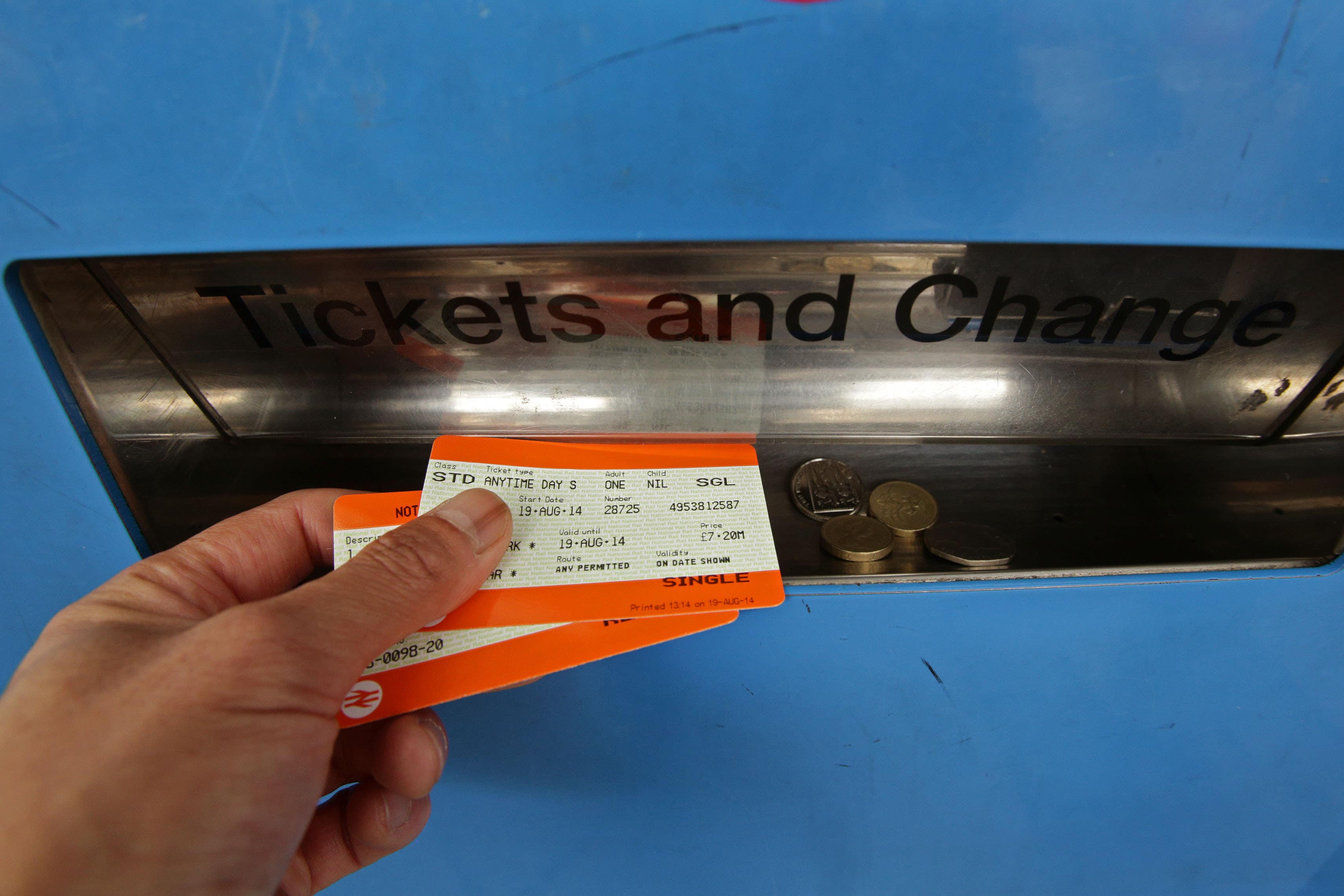
The fallout follows a landmark 2024 court ruling which quashed more than 48,000 criminal convictions. Judges found that train operators had spent years unlawfully relying on the fast-track Single Justice Procedure (SJP) to prosecute suspected fare evasion.
Although notification letters were sent out to those wrongfully convicted, new Ministry of Justice (MoJ) figures show that £4,900,096 covering court fees, costs, and fines has been refunded so far.
However, statistics reveal that over half of those who paid their fines have not yet come forward, leaving £2,603,463 in financial penalties waiting to be claimed, while thousands more might not even realise their convictions were quashed.
Following the disclosure of the data via a Freedom of Information Act request, the MoJ has been accused of failing to do enough to trace every victim of the scandal.
Penelope Gibbs, the director of campaign group Transform Justice which obtained the data, said: “The biggest miscarriage of justice in English and Welsh history has been compounded by the unwillingness of the state to find and compensate victims.
“The State should make every effort to ensure people know their criminal conviction is null and void.
“The Ministry of Justice has no idea whether most of the victims do.
“They should also compensate everyone who paid an average of £319 in fines and costs for not having the right train ticket. Compensating a minority of victims is no way good enough.”
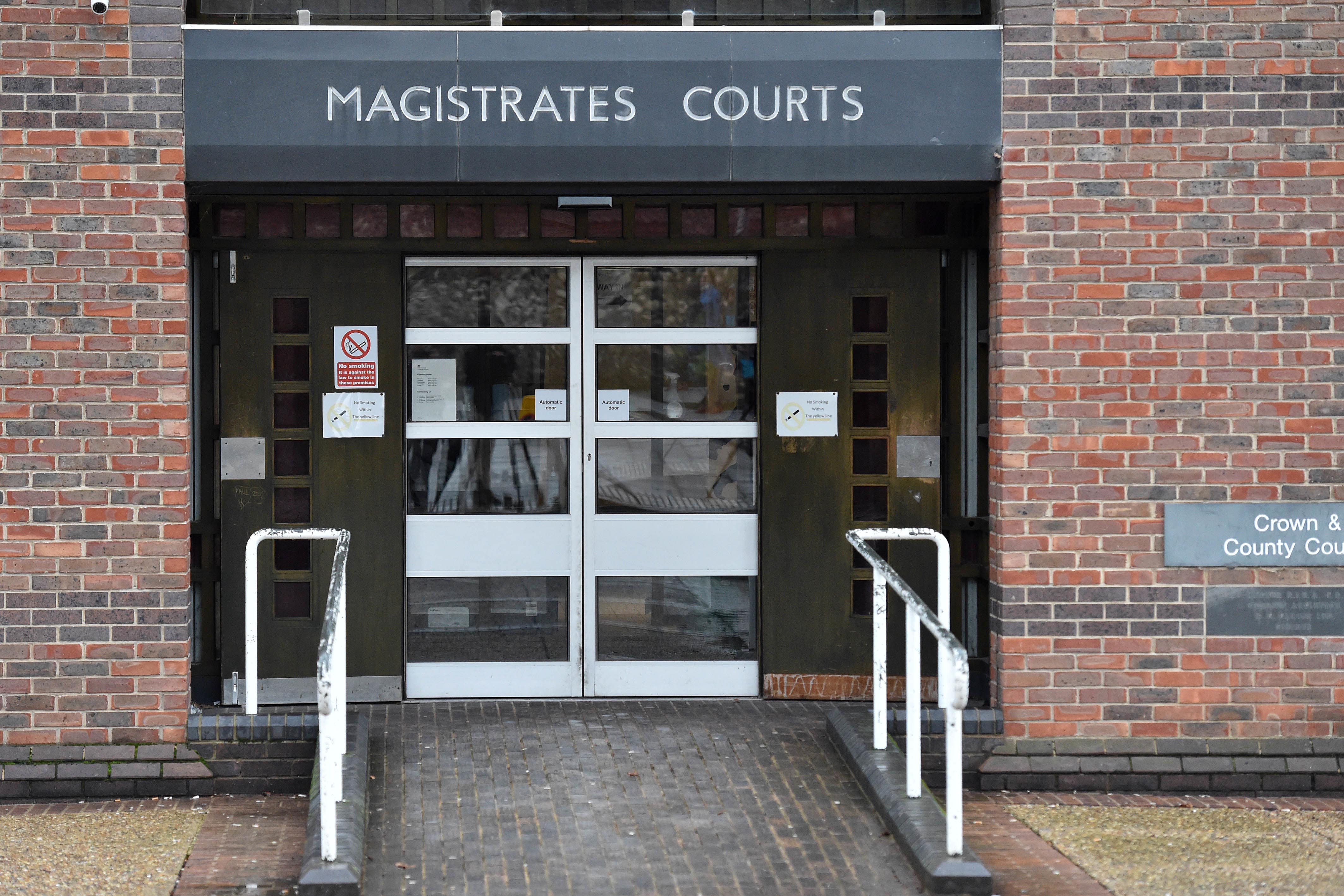
The scale of the problem was revealed in August 2024, when chief magistrate Paul Goldspring ruled on six test cases of prosecutions for fare evasion, finding that they were invalid because they had been brought through the Single Justice Procedure.
The fast-track court process, which allows magistrates to convict and sentence in private, can only be used for a specific set of offences decided on by Parliament and Judge Goldspring concluded MPs “didn’t envisage these offences being prosecuted through the Single Justice Procedure”.
The MoJ is understood to have used last-known addresses to write to all 48,222 affected people, telling them convictions dating from 2018 and 2023 have been quashed.
A total of 23,510 of them had paid the original fine after being convicted, but only 10,339 responded to collect their repayment.
The MoJ says it is continuing to make efforts to contact everyone who was wrongly convicted, but did not elaborate on the steps being taken to track down those who have changed address in the intervening years.
Eight train firms: Northern, Transpennine, Avanti West Coast, Greater Anglia, Great Western Railway, Arriva Rail Northern, Merseyrail, Govia and C2C – were found to have brought invalid prosecutions, with many involving allegations of fare evasion under the Regulation of Railways Act 1889, which is not on Parliament’s list of approved offences for the Single Justice Procedure.
The MoJ said train companies have paid back prosecution costs and compensation, while the government has repaid fines and victim surcharges.
“While fare evasion should be tackled, the right process should always be followed”, a government spokesperson said.
“We have contacted those affected whose details are available and set out how to arrange refunds where appropriate.”
The scandal prompted apologies from the train companies, and sparked a Government review and overhaul of the way allegations of fare evasion are tackled.
It also heaped pressure on the government to deliver reform of the SJP system, where magistrates sit alone to decide on criminal cases in bulk.
The Magistrates Association issued a demand in 2024 for reform of the system, saying its members feel pressured to take quick decisions due to the design of the fast track courts and, this month, it restated its desire for change after a series of scandals around the fairness of the system.
The government is currently reviewing the SJP system and has promised to “set out reforms shortly”.


