



Want to bookmark your favourite articles and stories to read or reference later? Start your Independent Membership today.
Already a member?
Log in
Singapore has announced a new fine of almost £300 for anyone playing music or videos loudly on a bus in a way that is annoying for other passengers.
Starting from Wednesday, passengers on the city-state’s bus network can be fined up to S$500 (£294) for a range of commuter misdemeanours that also include putting their feet on seats, littering, and eating or drinking on board.
The new regulations bring Singapore’s buses in line with rules that already apply across its rail network. The Land Transport Authority (LTA), which oversees public transport, said the changes were intended to foster a “safer, more considerate, and pleasant public transport environment for all”.
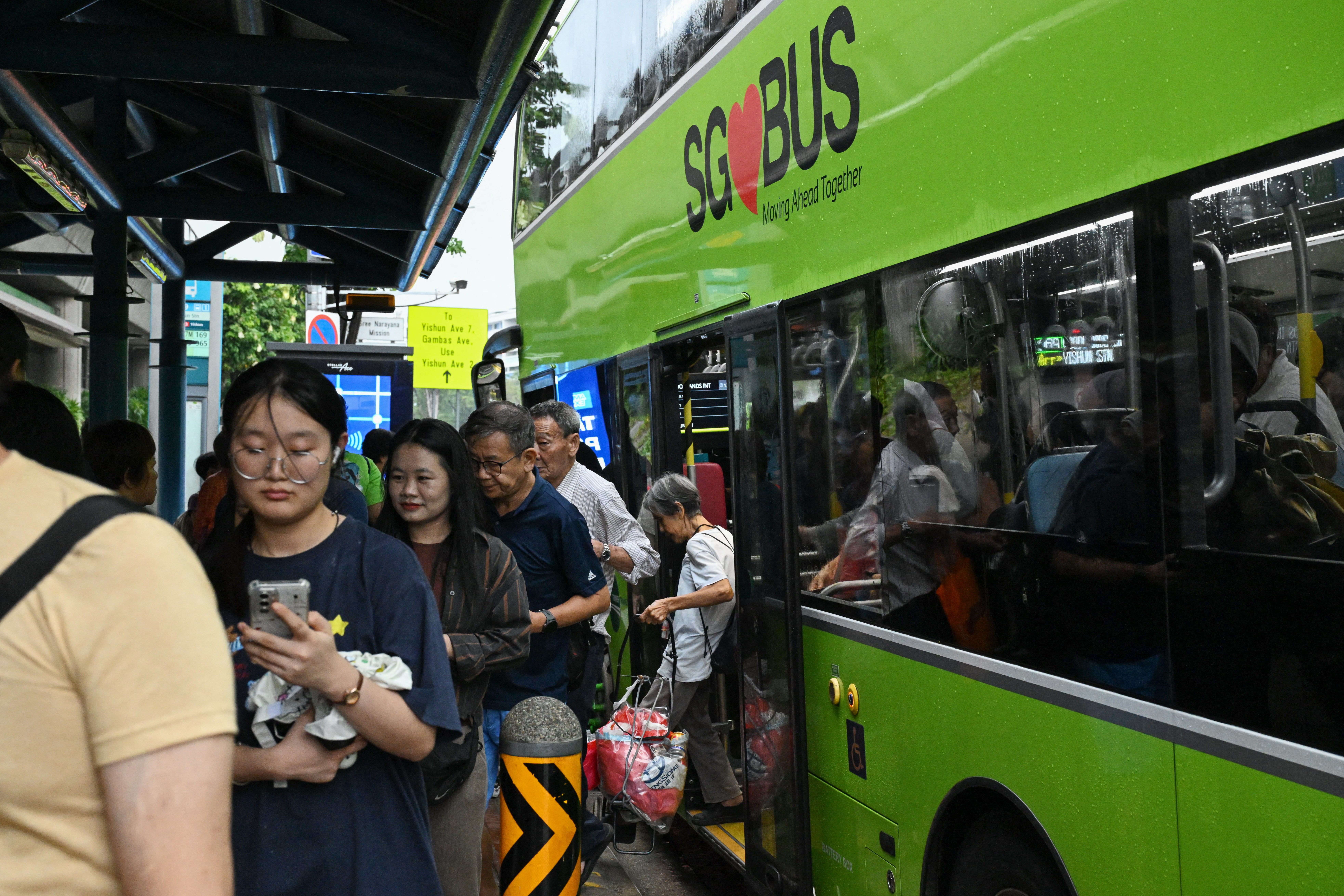
There is a much steeper penalty for more serious offences. Causing an obstruction or danger to other commuters at a bus interchange or terminal, for example, can result in a fine of up to S$5,000 (£2,942). So can soiling any part of a public bus, interchange, or terminal.
The changes are the result of amendments passed by Singapore’s Parliament in October 2025, which gave authorities greater powers to deal with nuisance and disruptive behaviour on buses.
“Public transport is a shared space, and every commuter has a part to play in ensuring a gracious and pleasant commuting environment,” the LTA said in its announcement.
Bus drivers, or “bus captains” as they are known in Singapore, will not have the power to police passengers’ behaviour or issue fines themselves. Instead, authorised staff working for Singapore’s four public bus operators, including ticket inspectors and employees at bus interchanges, can issue administrative notifications to passengers suspected of committing an offence. The LTA will then investigate.
The LTA said this will allow them to focus on “their primary responsibility of operating buses safely”. Drivers will retain the power to order misbehaving passengers to alight and, in “egregious” cases, refer them to the police.
The LTA said operators must enforce the new rules with “discretion and fairness”, particularly when cases involve passengers with physical or mental health conditions.
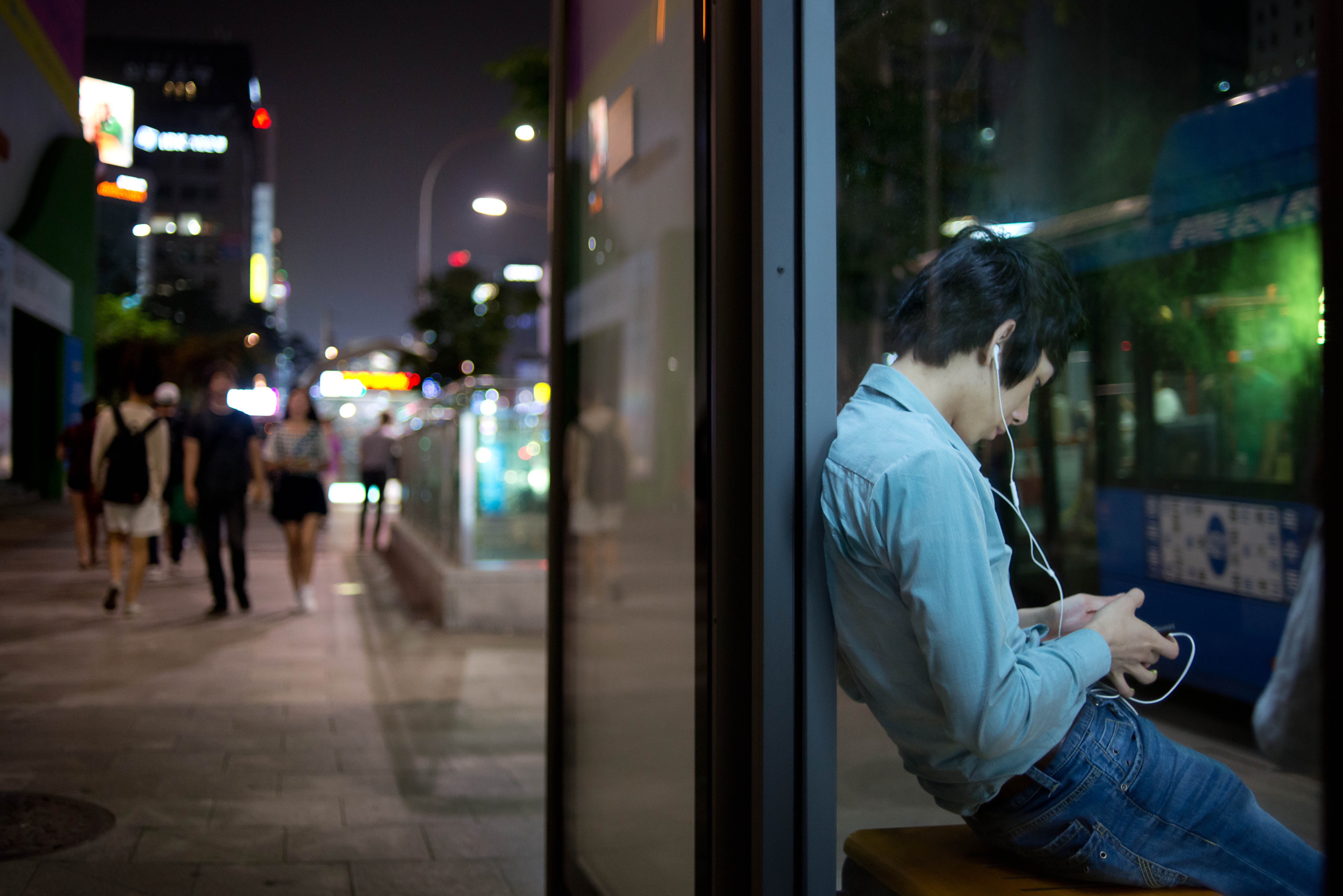
The new rules formalise a list of public transport irritations that Singapore, a country notorious for its strict enforcement of rules around behaviour in public, has been trying to tackle for some time. Signs introduced on buses in December 2024 urged passengers to keep noise levels down, occupy only one seat, and refrain from sitting on the floor.
Some commuters welcomed the new fines. Nelson Ferdinand, a 29-year-old flight attendant who regularly commutes to regional travel hub Changi Airport by bus, told Singapore’s Straits Times newspaper: “I saw the new rules and I thought, ‘Thank God’, because some people can be really inconsiderate.”
“I unironically love our fine city for doing this,” another Singaporean wrote on X, amid a stream of comments from people asking why their own countries could not introduce similar rules.
Singapore is not the first country to try and crack down on noise disturbances on public transport. In January, Kraków in Poland introduced rules banning passengers from using phones or other devices on speaker setting on buses and trams, with offenders facing a fine of up to 200 złoty (£40).
In July, the transport department in the south Indian state of Tamil Nadu told state-run bus operators to discourage passengers from using speaker mode or playing music and videos aloud, while the state capital Chennai introduced fines of up to ₹2,500 (£20) on its metro system for anyone playing content without headphones or speaking loudly on calls.
London has been grappling with the same problem, albeit without yet resorting to a Singapore-style fine. Transport for London’s by-laws prohibit passengers from playing music or streaming content aloud without permission when it annoys others, while its “Headphones On” campaign launched in 2025 after 70 per cent of 1,000 customers surveyed said loud music and phone calls without headphones were a nuisance.


