


Kofta, or kefta, always looks easy when someone else is making it. Then you try it at home. The gravy has never been the problem for me. The koftas are. I’ve watched perfectly good koftas fall apart in the curry and turn into a mess. Sometimes they would break in the oil while frying. Other times they stayed together until they went into the gravy, and then fell apart.
After this happened a few times, I decided to see where I was going wrong. So I tried four different ways of making and cooking koftas to find out which one actually held its shape from start to finish.
Also Read: How To Keep Your Rice Insect-Free: Tips That Actually Work To Prevent It From Spoiling Fast
Method 1: Making The Kofta Mixture Too Wet
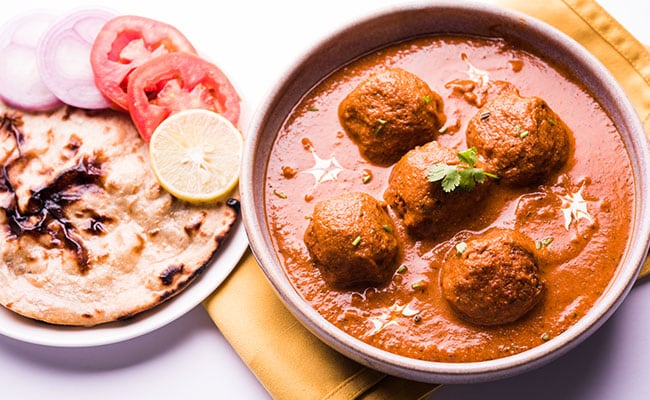
I started by looking at the mixture itself because this was probably where I was making my first mistake.
What I did
I mixed the grated vegetables with the other ingredients without squeezing out all the excess moisture. The mixture was soft and easy to shape, so I assumed it would hold together once cooked.
What happened
It didn’t. The koftas were difficult to handle and some cracked while frying. The ones that survived the frying pan became even more fragile once they went into the gravy.
Verdict
A wet mixture is asking for trouble. The kofta mixture needs to be firm enough to hold its shape before it even reaches the pan.
Method 2: Adding More Binding Agent
For the second batch, I decided to strengthen the mixture with a little more binding agent, such as besan or breadcrumbs, depending on the recipe.
What I did
I mixed in enough to bring the mixture together and then shaped the koftas gently.
What happened
The balls held their shape much better while frying. They were firmer and easier to lift without breaking. There was a point, however, where adding too much made the mixture feel dense.
Verdict
A little extra binding helped, but more is not necessarily better. Too much can leave you with heavy koftas instead of soft ones.
Method 3: Frying The Koftas Until They Form A Firm Crust
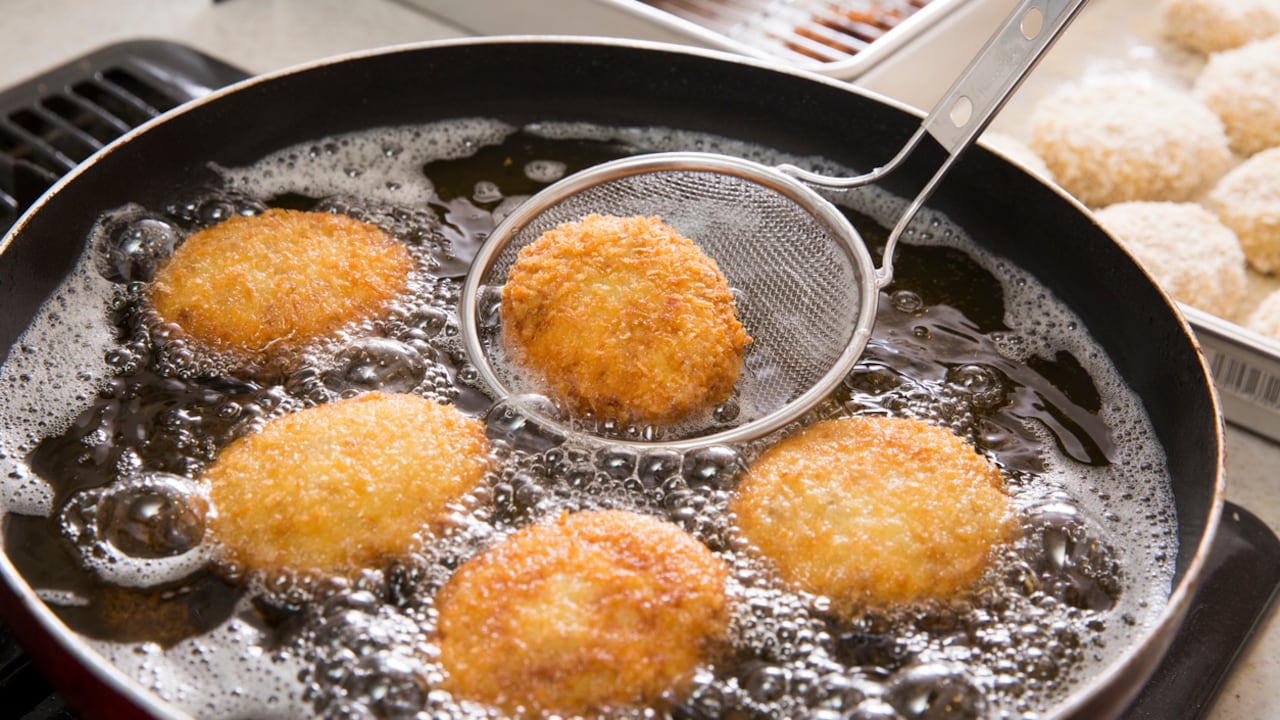
My third test focused on what happens in the frying pan.
What I did
Instead of moving the koftas around immediately, I placed them in hot oil and left them alone for a while. I turned them only after the outside had developed a firm golden crust.
What happened
This made a big difference. The koftas were much easier to handle once they had formed a proper outer layer. When I later added them to the gravy, they were less likely to break apart.
Verdict
Don’t rush the frying stage. Let the outside firm up before trying to move the koftas around.
Method 4: Adding The Koftas To Boiling Gravy
For my final test, I changed how I added the fried koftas to the curry.
What I did
Instead of dropping them into aggressively bubbling gravy, I waited until the gravy was simmering gently. I added the koftas carefully and avoided stirring them immediately.
What happened
This was the most noticeable difference once the koftas were already fried. They stayed intact instead of breaking apart as soon as they hit the gravy. I also found that I didn’t need to stir them constantly. Once they were sitting in the gravy, I simply spooned some gravy over them and left them alone.
Also Read: This Turkish Cheese Is Stored In A 100 Feet Underground Cave To Age And Comes Back Red
Verdict
This was the method that finally stopped the last-minute kofta disasters for me.
My Final Verdict
After trying all four methods, I realised that keeping koftas intact is less about one secret ingredient and more about getting the texture right at every stage. The mixture shouldn’t be wet, and it needs enough binding to hold together without becoming dense. Once shaped, the koftas should be fried until they develop a firm outer crust. And perhaps most importantly, they shouldn’t be dropped into aggressively boiling gravy and stirred around immediately.
For me, the winning combination was a firm, well-bound mixture, proper frying and gently simmering gravy. I also stopped treating the koftas like something that needed constant stirring. Once they are in the curry, they need a little time to settle. That one change alone saved me from turning a perfectly good kofta curry into a bowl of broken pieces.


