


New Delhi:
Israeli Minister for Economy and Industry Nir Barkat called the foiled midair attack as part of a global battle against terror, and asked for an international screening mechanism for aviation personnel after a co-pilot attempted to crash a Tel Aviv-bound flight carrying.
In an interview with NDTV, Barkat detailed how the catastrophe was averted through the split-second actions of the Indian pilot, Captain Smit Machchhar, and three Israeli passengers who breached the cockpit to subdue the co-pilot, an Omani national.
“This time, unfortunately, a co-pilot, I don’t think many people would have thought that a co-pilot would try to kill the pilot and take the whole plane down. But that’s the reality of what happened,” Barkat said.
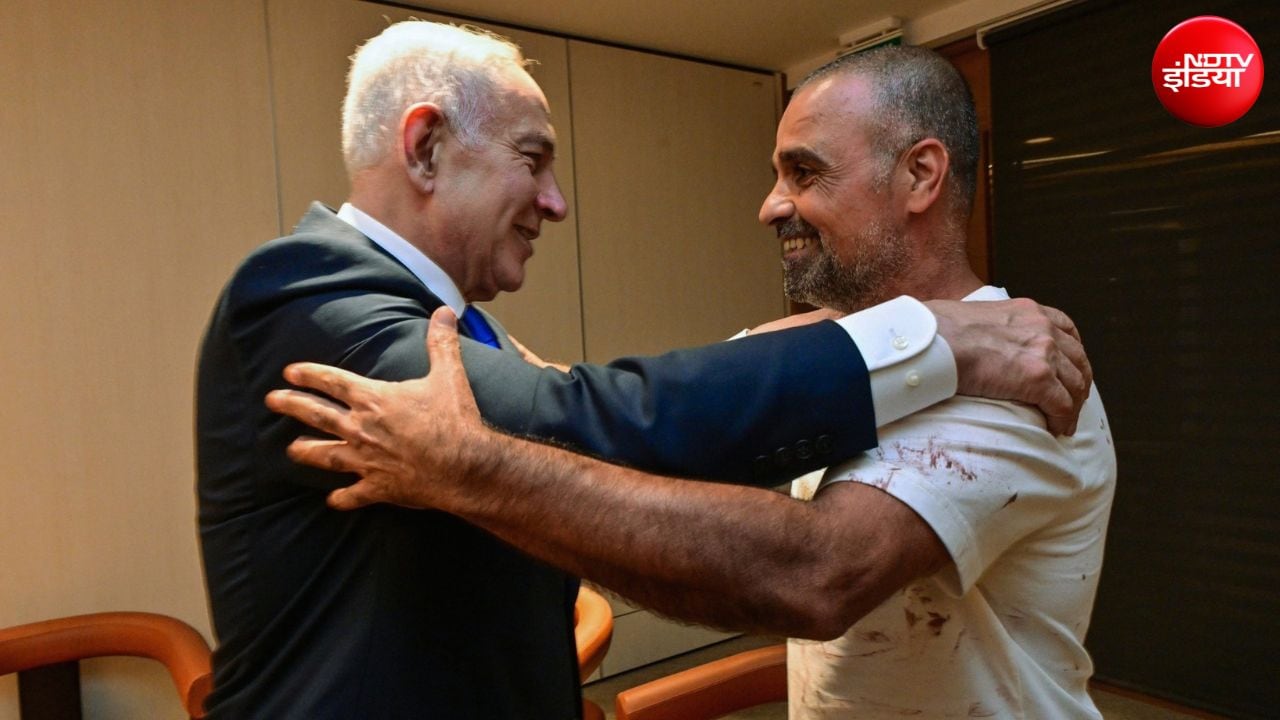
Commending Machchhar for unlocking the cockpit door during the struggle, Barkat added: “Pilot Smit is a huge hero. He was smart enough to open the door, to enable, to open the door and let three Israelis come in, take out the terrorist and take control of the plane. It is amazing.”
Reflecting on the swift response of the passengers, the minister attributed their intervention to a national mindset shaped by security training and active engagement during crises.
“They say that probably the safest way to fly is to sit next to Israelis on international flights, because basically we learn to engage,” Barkat said. “The way we think is being very, very proactive. We’re taking chances. We’re taking risks. But eventually, it turns out that’s the safest way for the whole community.”
With global intelligence agencies investigating the Omani national’s background, Barkat noted that authorities from India, Saudi Arabia, the United Arab Emirates, and Israel are currently examining the case to establish potential network linkages.
“We cannot allow the radical Islamists to be in key positions like this into the future,” Barkat stated. “We learned from this that we must make sure that no other radicals are allowed to fly planes, because they’re sitting on a huge bomb with 150, 160, sometimes over 200 people. And we must make sure that the pilots pass certain tests all over globally.”
Dismissing suggestions that the plot was designed to strain relations between Israel and its Gulf partners, Barkat emphasised that trade and security ties under the Abraham Accords remain intact.
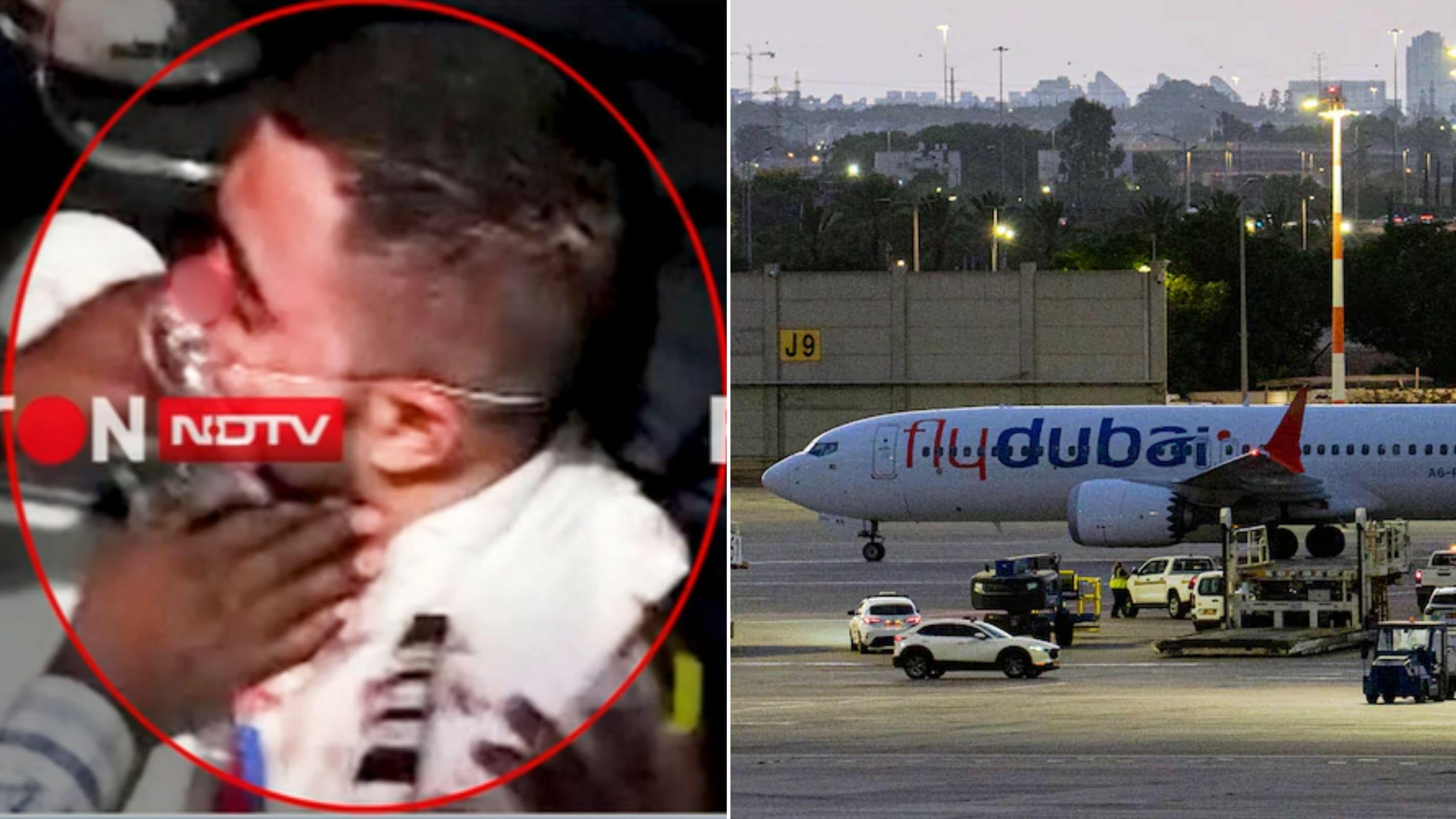
“It’s a classic thought to maybe put a wedge between Israel and the Emirates, which is not going to happen,” Barkat said. “We are certain that the Emirates had no intention. And this surprised them as much as anybody else. So we could unite together and collaborate.”
Turning to bilateral relations with New Delhi, Barkat highlighted ongoing negotiations with Union Commerce Minister Piyush Goyal regarding a proposed free-trade agreement expected early next year.
“Piyush Goyal, the Minister of Economy and I have been collaborating. And we have a free trade agreement in process. Hopefully, we’ll be able to finish it at the beginning of next year,” he said.
Underlining the strategic alignment between the two nations, Barkat described the India-Israel relationship as a complementary partnership built on shared counter-terrorism priorities and defense cooperation.
“Both countries are really complementing each other. We are innovators. But we don’t have scale. India is a huge scale, huge industrial giant, growing at a rapid pace,” Barkat said. “On the security side, we feel very comfortable with India. We have the same challenges.”


