



Want to bookmark your favourite articles and stories to read or reference later? Start your Independent Membership today.
Already a member?
Log in
El Nino has arrived, potentially altering global weather patterns and regional climates that could dictate where travellers are heading this winter.
This means a possibility of wet safaris in East Africa, drought in the Caribbean and unpredictable snowfall in the US that could halt holiday plans.
Professor Celeste Saulo, secretary general of the World Meteorological Organisation (WMO), has warned: “We need to prepare for a potentially strong El Nino event – which will exacerbate drought and heavy rainfall and increase the risk of heatwaves both on land and in the ocean.”
WMO’s Global Producing Centres indicate an “exceptionally high likelihood of nearly 100 per cent” that El Nino will persist through to February 2027.
The Met Office added that this is an “unprecedented event” for the worldwide climate, with Professor Adam Scaife, head of long-range forecasting, adding, “I have never seen an El Nino signal this intense in our forecasts”.
As holidaymakers are urged to prepare for the weather phenomenon before they take off, what will El Nino mean for travel trends this winter?
Read more: India warns of major ‘food crisis’ in coming months amid El Nino and global conflicts
What is El Nino?
El Nino is a naturally occurring climate pattern involving fluctuating ocean surface temperatures in the central and eastern equatorial Pacific Ocean, said WMO.
The unusually warm waters are capable of affecting weather patterns around the world – floods, droughts, storms, fires, and heat waves – and raising the baseline of global heat.
A sustained rise of 0.5C or more is the threshold for defining an El Nino event.
The widely used Nino 3.4 index, which measures sea surface temperature anomalies, measured +2.0C above normal in July, said WMO.
When will El Nino start?
A significant El Nino is likely to occur towards the end of 2026, with some forecasts predicting the “strongest event on record”, said the UK Government Office for Science.
The WMO adds that El Nino events can typically last up to 18 months.
In September, the WMO confirmed that an El Nino is firmly established and expected to “dominate global climate patterns” through September to November 2026, increasing above-average temperatures and driving significant rainfall.
The UK Government Office for Science added that the current El Nino event is forecast to peak in December 2026 and could continue until spring 2027.
Where will El Nino impact weather?
Not all regions of the world will be affected by the climate pattern, but instances of extreme weather are predicted to be seen in parts of India, East Asia, South America, parts of Africa and the West Pacific.
“Impacts of El Nino will likely be felt first with forecasted dry conditions in India and southern Asia, Central America, and the Sahel region in Africa from June through to October.
“Forecasts also predict a drought in the current summer monsoon season. As the El Nino event develops, impacts will next be seen in the West Pacific, East Africa, Australia and South America,” said the Government Office for Science.
The WMO added that increased rainfall over East Africa will see severe “short rains” between October and December.
Dr Ioana Colfescu, a principal research fellow in climate and machine learning at the National Centre for Atmospheric Science (NCAS), said: “Normally El Nino moves the tropical rain belts around with Indonesia and Australia drying out, East Africa and the coast of Peru get heavy rain, southern Africa and the Caribbean go dry, and the southern US has a wet, stormy winter. For the UK, the effect is weak.”
What weather conditions could El Nino cause?
The level of disruption caused by El Nino events will vary geographically. No two events will be the same. While extreme weather conditions may be more likely than usual, it is hard to predict exactly how the climate will respond.
The United Nations said the prospect of months of extreme heat, floods, drought, and disruptive weather around the globe has risen.
According to the United Nations Office for Disaster Risk Reduction (UNDRR), East Africa may experience increased flooding and landslide risks, while southern Africa is at risk of heightened drought and water stress.
In South and Southeast Asia, drought, extreme heat and wildfires could pose problems, with parts of Latin America and the Caribbean prone to flooding, landslides and disruptions to hydropower.
What will El Nino mean for travellers?
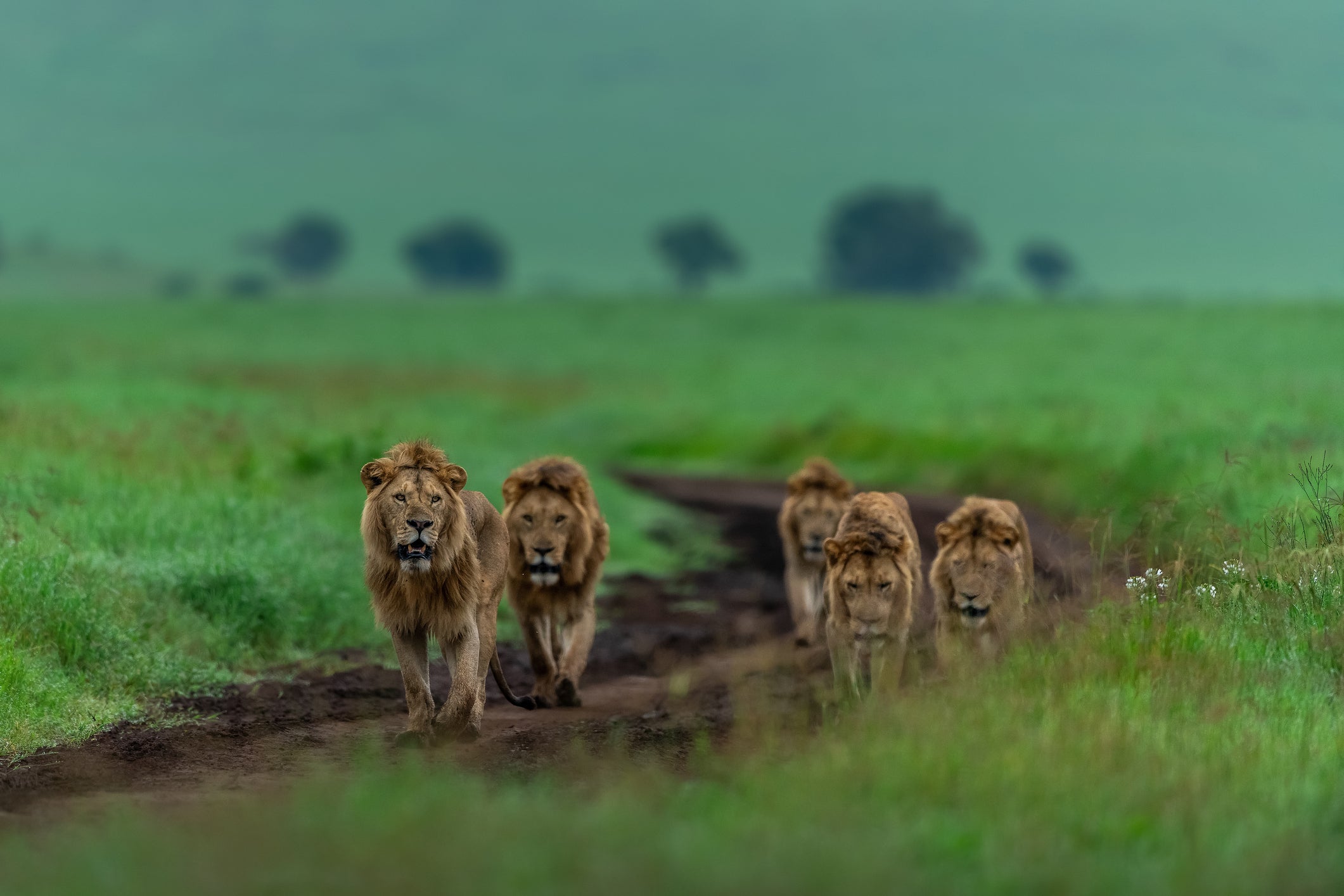
Safaris in East Africa are set to be “wetter than normal”. With heavy short rains from October to December, there is a risk of camps getting cut off in Kenya and Tanzania when rivers swell, said Dr Colfescu.
However, in southern Africa El Nino usually brings a hotter, drier summer – forecast for Botswana, Zimbabwe, Namibia, southern Zambia and much of South Africa through to March.
As for the Caribbean, Dr Colfescu said that although the region could see fewer hurricanes, drought is a concern for Caribbean forecasters as islands suffer from a lack of rain.
Could countries benefit from El Nino weather changes?
According to forecasts, the Caribbean looks set for sun following an autumn with fewer hurricanes, and Bali will experience similar before the wet season.
Although the Caribbean and southern Africa may see a drier winter, this presents a “real problem” for the farmers and families that live there year-round, added Dr Colfescu.
On the slopes, skiers may do well with above-average snowfall in the southern half of the American West; however, the National Oceanic and Atmospheric Administration (NOAA) predicts wet weather in California, the Southwest and the southern Rockies.
What is the expert advice for travellers?
“My advice would be to treat this El Nino a bit like we treat booking holidays in Scotland: you must build in flexibility,” warned Dr Colfescu.
She added: “Book refundable where you can, and check what your travel insurance says about weather disruption and be ready to change the timing.”
Travellers are advised to follow forecast updates and check cruise itineraries if drought affects the Panama Canal.
Dr Colfescu said: “If you’re going somewhere in drought, go easy on the water, because the locals will still be living with it after you fly home. If you dive or snorkel, be prepared for bleached coral on some reefs. El Nino raises the bleaching risk on the Great Barrier Reef, and that will probably happen next summer.”
What countries have issued El Nino travel warnings?
Ecuador
The Ecuadorean authorities have issued a red alert ahead of the forecast 2026 to 2027 El Nino weather event.
The UK Foreign Office (FCDO) warned about travel to Peru: “El Nino is expected to generate unusually heavy rainfall, possible flooding and landslides, and higher temperatures, which may disrupt travel and other services. Extreme weather may affect your travel plans.”
Japan
According to the Japan Meteorological Agency (JMA), El Nino conditions have persisted in the equatorial Pacific since spring 2026.
“They are virtually certain to continue until boreal winter,” the JMA said.
In August, the region’s sea surface temperature was above normal, with a deviation of +3.4C, it added.
India
India’s external affairs minister (foreign minister), S Jaishankar, has warned that the world faces a “major food crisis” in the coming months, as wars in Ukraine and the Middle East compound the effects of a “super” El Nino.
Peru
From late 2026 to April 2027, the El Nino weather event is expected to bring heavy rainfall, possible flooding, landslides, and mudslides to Peru’s northern and central coast.
“These could cause travel disruption, such as road closures, and affect access to essential services,” said the FCDO.
California, USA
Governor Gavin Newsom has declared a state of emergency to mobilise resources ahead of this winter’s El Nino storm season.
“We are preparing for this El Nino early because every Californian deserves to be safe in their home, connected to their community, and protected when severe weather comes,” said Newsom.
Read more: Experts give update on whether polar vortex could hit the UK this autumn


