


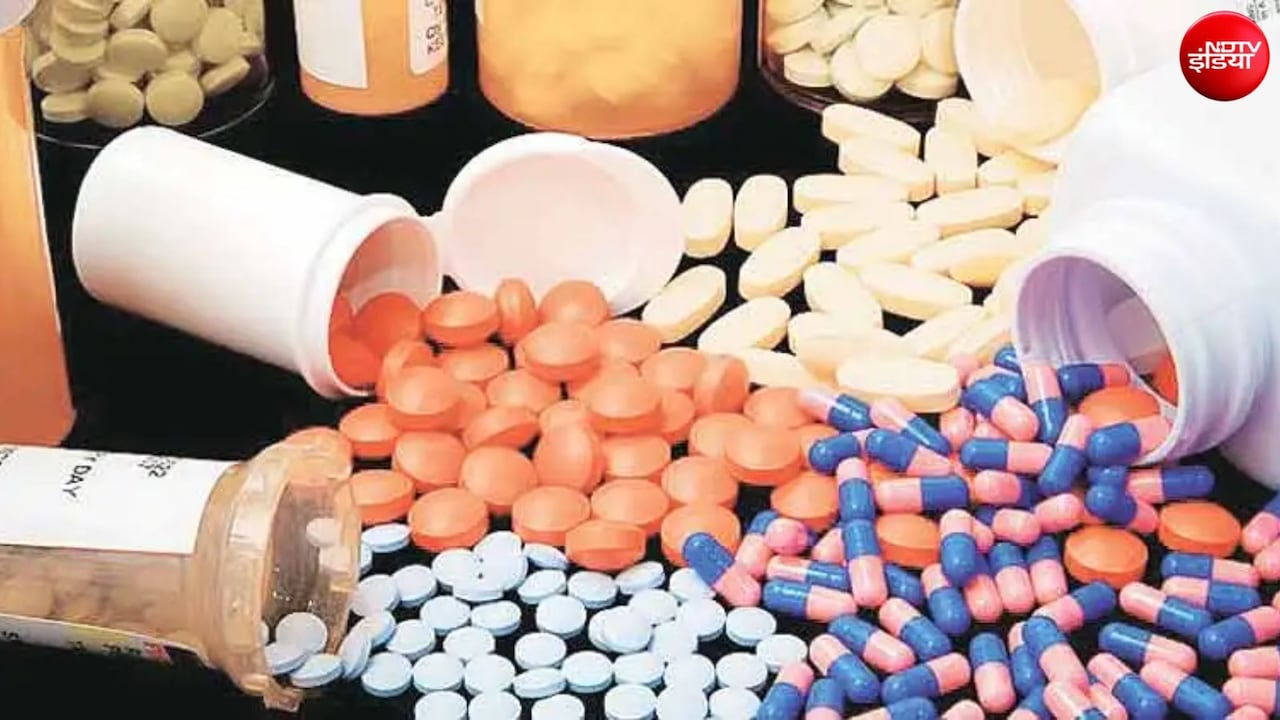
The Indian government’s 30% trade margin cap on non-scheduled cancer drugs may not affect HCG Group of Hospitals significantly, however, it may prevent new and patented oncology drugs from entering the Indian market. Chairman & Managing Director (CMD) Ajai Kumar informed NDTV Profit.
The government has approved the cap for cancer drugs that are not included in the price-controlled list under the Drugs (Prices Control) Order (DPCO). This action may reduce prices by as much as 70%. Analysts anticipate that this will only minimally affect the hospitals’ earnings before interest, tax, depreciation and amortisation (EBITDA) by 1% to 4%, as chemotherapy drugs are already subjected to price controls.
Additionally, this cap is less severe than the 16% that the market anticipated.
Also Read | Layoffs Are Rising In Tech, But These Skills Are Helping People Unlock Better Pay
As a result of this announcement, shares of multispecialty hospital companies were observed to rise. HCG was seen as more susceptible to this measure than Max Healthcare (where oncology represents approximately 24% of total revenue) and Apollo Hospitals and Fortis Healthcare (where oncology represents approximately 16% of total revenue). In comparison to other multispecialty hospital companies, HCG is more dependent upon oncology services, with approximately 89% of its total revenue attributable to oncology. Kumar stated that the impact on HCG will be minimal.
“I don’t think this will have a major impact on us, as most of the drugs are already under control,” he said. He added that the details on non-scheduled drugs still require further analysis. Kumar indicated that HCG had previously experienced price controls. “We have gone through a storm under DPCO in 2019, and it didn’t have a large impact on us. Therefore, I don’t believe it will have a significant impact,” he stated.
ALSO READ: TCS Expects To Recoup Margin As AI Investments Taper, Bench Strength Gets Deployed
When questioned if HCG can maintain its return on capital (RoC) over the next three years even if there is an adverse effect, Kumar replied: “It definitely can be maintained. I don’t envision any problems.” He estimated HCG’s EBITDA margin to be approximately 20% and its RoC to be in the middle range of the teenage percentages. ‘My Concerns Differ’ Kumar expressed that his concerns lie elsewhere. “I don’t perceive a long-term negative effect on us, however my concerns differ from others, particularly concerning bringing new drugs to the country,” he stated.
According to Kumar, the current low prices are causing medicines to be unavailable in India. “As we know, hundreds of drugs are unavailable in India due to the low costs,” he stated. “As an oncologist, my concern is that I lack access to new drugs in India due to the low costs.” He cited examples of cisplatin and Taxol, both essential cancer drugs, indicating that Indian manufacturers are hesitant to produce them due to their low costs.
Regarding pricing, Kumar stated that the government has discretion regarding maximum retail price (MRP). “You manipulate MRP. You state I will lower MRP. Do whatever you wish to do,” he stated. “Why are you concerned about what price they purchase at?” He indicated that hospitals incur expenses such as cold-chain storage and clinical pharmacologists. According to Kumar, the line is new drugs. “You wish to reduce the price, reduce MRP, that is fine. However, do not interfere with new drugs entering India, patented drugs, and also provide us with an opportunity to innovate in drugs. I believe this is what will be adversely affected by this thoughtless intervention.” Kumar questioned what this cap signifies for research.
“Why would pharmaceutical companies invest in new drug discovery?” he inquired. “People must consider the long-term ramifications rather than short-term ramifications, because Indian oncology has matured. We are now competing with the rest of the world.” Kumar stated that India offers cancer care at a fraction of the expense of similar care in other nations. He additionally stated that identical care costs ten to twenty times more in other nations.
He indicated that patient outcomes are absent from the discussion. “While we are tampering with it, no one discusses the outcomes of cancer patients. How it affects patients who do not have access to new drugs,” he stated.
The Rs 27,000 Question
Varun Singh, managing partner at Foresight Law Offices, referenced an instance cited during court proceedings whereby a drug costing Rs 2,700 to manufacture reaches Rs 27,000 upon sale via a hospital pharmacy. Singh stated that patients under Ayushman Bharat who are required to acquire drugs from their respective hospitals’ pharmacies ultimately pay a higher price; consequently, the government’s subsidy bill increases.
Kumar challenged this amount. “I don’t know where this 27,000 originates. I have verified this. We don’t have such occurrences at HCG,” he stated. Regarding Ayushman Bharat, Kumar stated that patients do not acquire drugs independently. “There is a package.
Consequently, patients don’t need to acquire drugs separately.” Kumar focused on hospital margins instead. “Please examine the margin of the hospital. Is that acceptable or not?” he inquired, noting that HCG’s EBITDA margin is 20%. Singh stated that Director General of Competition Commission of India (CCI) is also examining practices related to requiring patients to acquire drugs exclusively from their respective hospitals’ pharmacies.
“That is indeed the primary challenge where consumers would benefit most if they were informed they can acquire drugs from any establishment,” he stated. Singh indicated that this cap applies solely to trade margins and that manufacturer pricing has not yet been capped. Singh agreed with Kumar on the requirement for research and development (R&D) support; however, he suggested that subsidies for R&D should be addressed as a distinct matter from pricing.
Industry To Make Its Case
Kumar stated that HCG and the industry association will analyze the details and present their arguments to policy makers. “I am confident that they are all rational individuals. We must reason with them and ascertain how this affects us. They must comprehend the long-term repercussions of this action. That will be our plea.”
ALSO READ: Three More RBI Repo Rate Hikes Ahead, But 7% Growth Intact: Goldman Sachs
Essential Business Intelligence,
Sharp Market Insights,
Practical Personal Finance Advice, Daily Fuel, Gold and Silver Prices and Latest Stories — On NDTV Profit.


