


Navratri has begun and during these 9 auspicious days, our regular diet usually changes. From our dal-chawal, we usually switch to vrat-friendly foods like sabudana khichdi, kutti rotis, potatoes, fruits and dairy products.
But with so much attention on what is allowed during a fast, it is easy to forget whether your meals are giving you enough protein or not. Vrat-friendly food is often carb-heavy, which means other food groups take a back seat. To address this, lifestyle coach Luke Cutinho has shared a day-long meal plan with many breakfast, lunch and dinner options that can help you plan meals more thoughtfully instead of cutting down on nutrition.
ALSO READ | Can You Have Coffee If You’re Fasting During Navratri?
Start Your Morning With One Of These Drinks
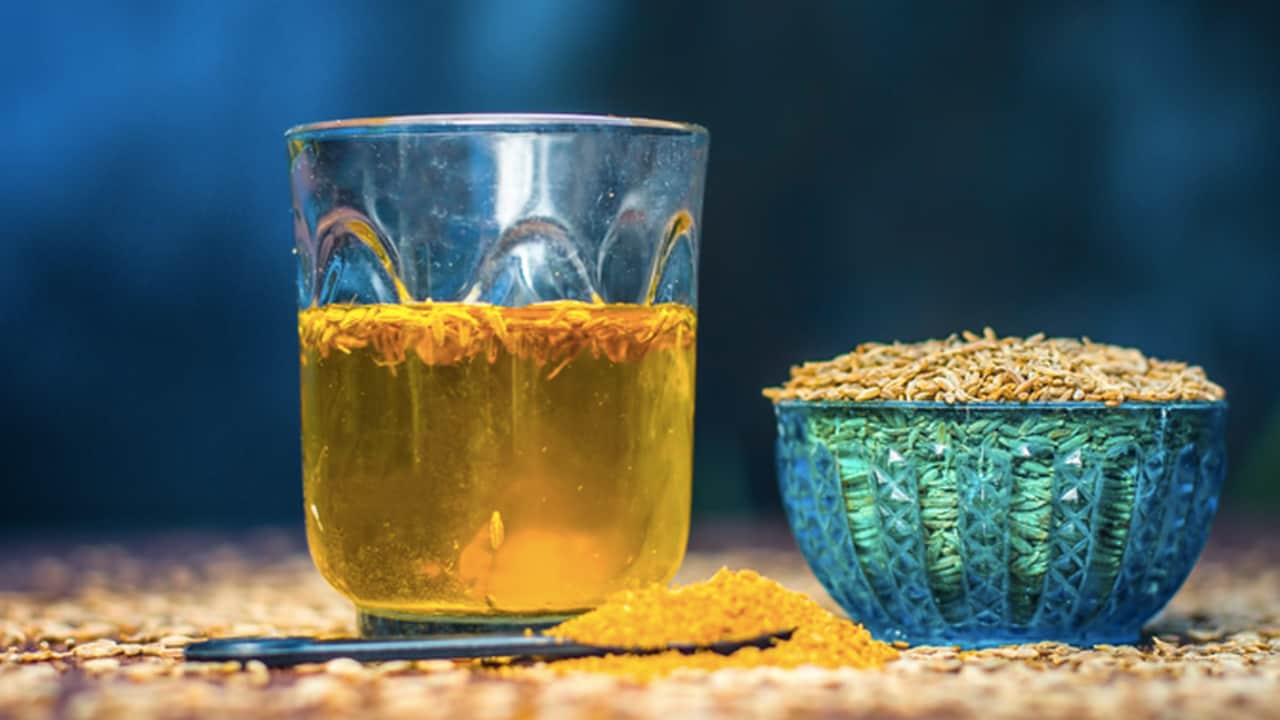
Coutinho suggests choosing one of the following drinks early in the morning:
- Warm jeera and lemon water
- Ginger and lemon water
- Sabja seed-infused water
These are simple options to start the day with. They are not substitutes for breakfast, though, and do not provide much protein on their own.
Breakfast Options To Try During Navratri
Breakfast is where you can have curd, chia seeds, fruit and nuts. Here are the three combinations he suggests:
Option 1: Thick yoghurt bowl
- 200 g thick yoghurt
- 1 tablespoon chia seeds
- 1 serving of fruit, such as banana, apple or papaya
- 15 g mixed almonds, walnuts and pistachios
Option 2: Overnight chia and almond milk
- Chia seeds soaked overnight in unsweetened almond milk
- 150-200 g thick yoghurt
- Fruit
- 15 g mixed nuts and seeds
- Cinnamon or cardamom powder
Option 3: Rajgira and chia pancakes
- 2 small rajgira and chia pancakes
- 150 g thick yoghurt
- Fruit
- 10 g nuts or seeds
The idea is to include a protein source along with fruit, seeds or nuts rather than relying on a breakfast made up entirely of starch. The exact protein content will depend on the ingredients and quantities used.
What To Have Between Breakfast And Lunch
For mid-morning, Coutinho suggests either lemon water with jeera powder and a quarter teaspoon of sabja seeds, or coconut water with a quarter teaspoon of sabja seeds.
These can add variety to your fluid intake. Remember that coconut water also provides carbohydrates, so it is best considered a drink rather than a replacement for a meal.
Lunch Options For Navratri Vrat
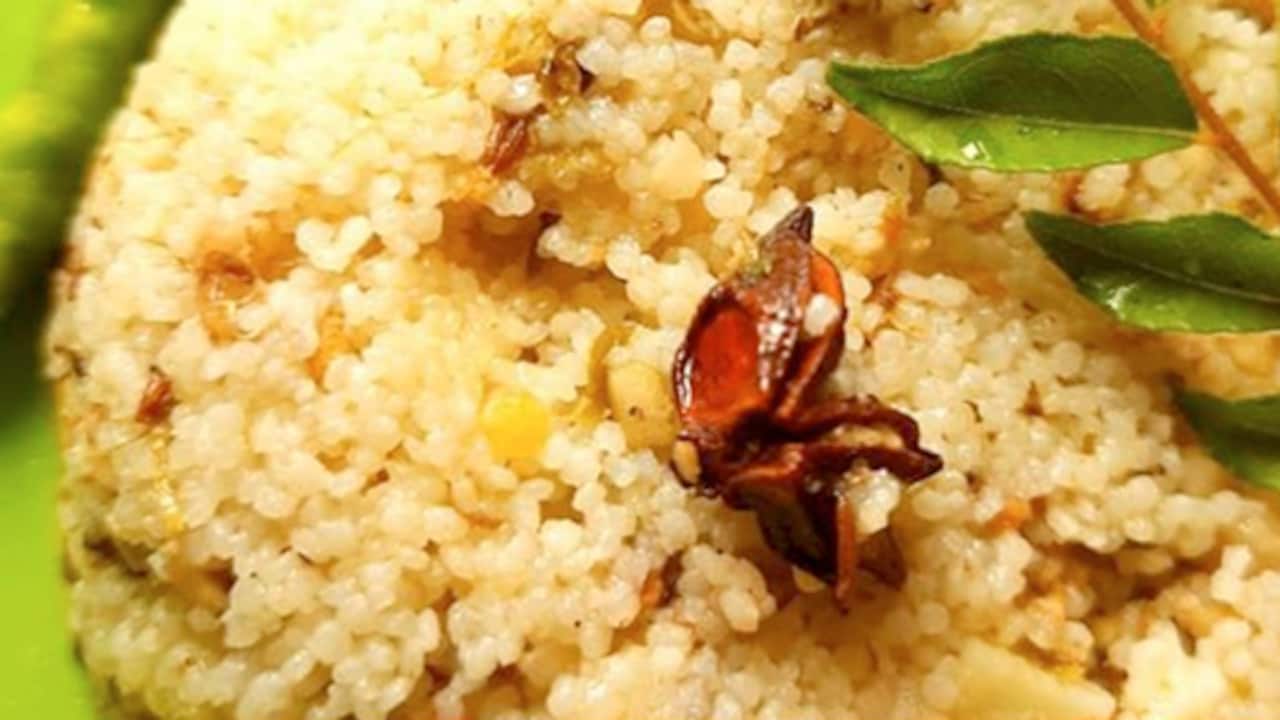
Lunch offers more substantial options, with sama rice, rajgira, paneer and tofu featuring in the plan.
Option 1: Sama vegetable khichdi and paneer
- 1 bowl of sama vegetable khichdi
- 100 g paneer sauteed with vegetables
- Cucumber sticks with coriander chutneey
- 1 cup of kadhi made with rajgira flour
- 10 g roasted pumpkin-seed powder
Option 2: Rajgira rotis with tofu
- 1-2 rajgira rotis
- 100-120 g tofu sauteed with vegetables
- Cucumber raita made with thick yoghurt
- Vrat-permitted vegetables such as bottle gourd or pumpkin
- 10 g roasted pumpkin-seed powder
Option 3: Sama, paneer and curd
- Sama khichdi, sama idli, sama dosa or makhana chilla
- 100 g paneer sauteed with vegetables
- Curd with jeera tadka
- Coriander and peanut chutney
- 10 g roasted pumpkin-seed powder
Paneer, tofu and curd are the main protein sources in these meals, while the vegetables, seeds and other accompaniments add variety. You can choose the combination that suits your fasting rules and food preferences.
Evening Snack Options
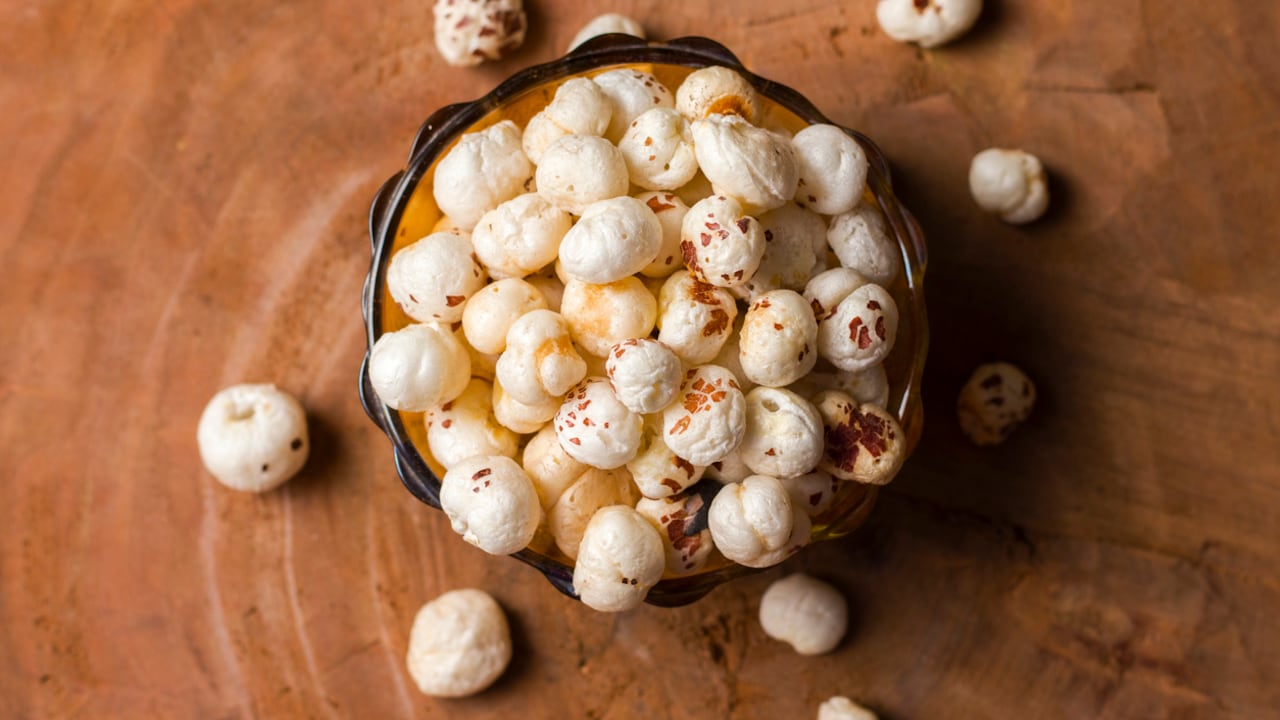
For the evening, Coutinho suggests combining a drink with a couple of small snacks:
- 1 cup of chaas with roasted jeera
- Half a cup of roasted makhana
- 10 g roasted seed mix
This gives you a few options to rotate through the evening rather than reaching only for fried vrat snacks. The quantities matter, especially if you are trying to keep your overall intake balanced.
ALSO READ | Navratri 2026: Which Spices Are Not Allowed During Fasting?
Dinner Options To Finish The Day
Coutinho recommends keeping dinner early and light. His plan includes three alternatives.
Option 1: Soup, sweet potato and paneer
- Lauki or pumpkin soup
- 150 g grilled sweet potato
- 80-100 g paneer sauteed with bell peppers
- Cucumber salad
Option 2: Sama rice with tofu or paneer
- 1 bowl of sama rice sauteed with vegetables
- Cucumber, thick curd and jeera dip
- 80-100 g sauteed tofu or paneer
Option 3: Paneer tikka meal
- 100 g paneer tikka
- Pumpkin or lauki vegetables
- 150 g sweet potato
- Thick curd dip
The dinner options include a protein source alongside vegetables and a carbohydrate source. The aim is to have a complete meal without making dinner unnecessarily heavy.
Keep Sipping Fluids Through The Day
Coutinho also recommends sipping jeera-saunf water between meals. Along with the morning and mid-morning drinks, this is a reminder not to neglect fluids during the fast.
His suggested daily protein target is approximately 75-85 g, spread across breakfast, lunch, snacks and dinner. Yoghurt or curd, chia seeds, paneer, tofu and other seeds are the main protein sources in the plan.
This target is not a fixed requirement for everyone. Protein needs vary according to factors such as body weight, age, activity and health status. People with conditions that affect protein intake should check with their healthcare professional before following a high-protein plan.
One thing to remember is that fasting rules change from family to family and traditions. Check that ingredients such as chia seeds, tofu, rajgira flour and vegetables used in this plan with your own vrat practices before consuming anything.


