


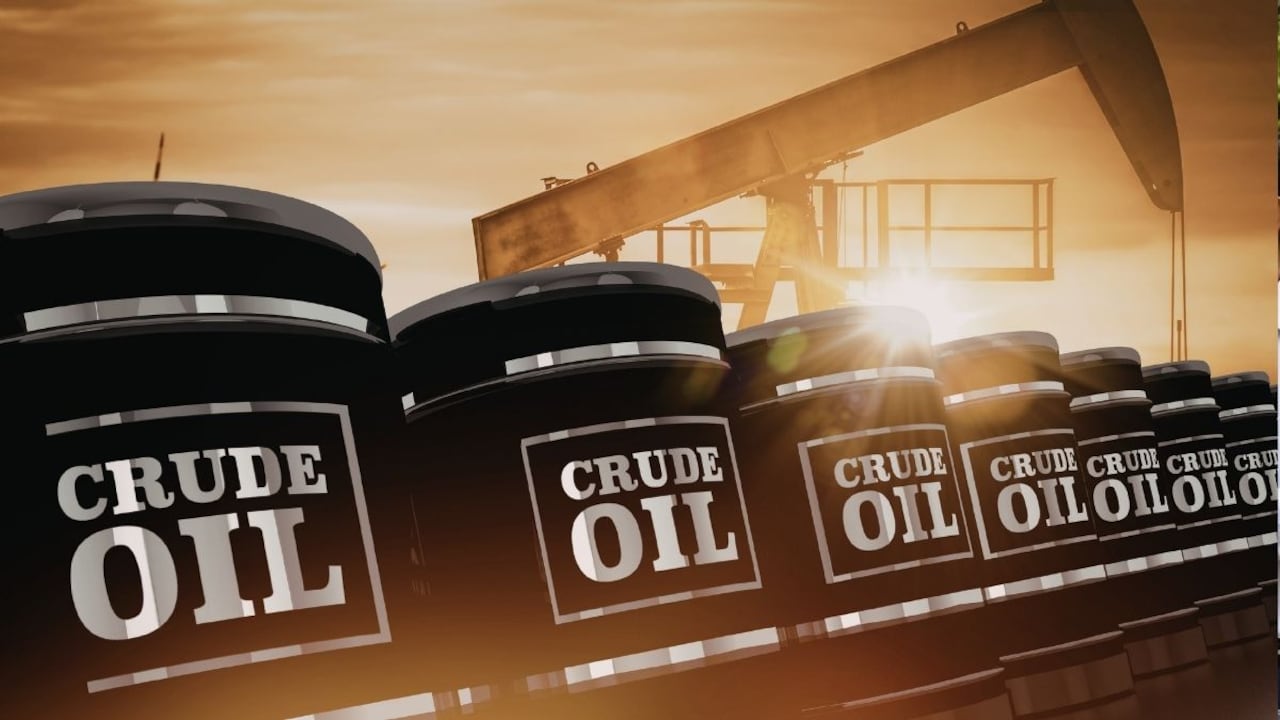
Oil prices remained above $100 a barrel as escalating Iranian attacks around the Strait of Hormuz and uncertainty over Russian fuel supplies heightened concerns about global energy markets. West Texas Intermediate (WTI) crude for November delivery rose 3% to $100.63 a barrel, but remained up around 9% for the week. Brent crude, the global benchmark, traded above $109 a barrel, gaining around 4% this week.
Supply disruptions stretching from the Persian Gulf to the Black Sea have kept traders on edge, with uncertainty surrounding the flow of crude oil and refined products adding to inflation concerns. Higher energy costs have also raised fears of persistent inflationary pressures, weighing on US Treasuries.
Oil prices have been supported by growing doubts over US President Donald Trump’s plan to release several hundred million barrels of Russian diesel into global markets. US lawmakers introduced a bill on Friday to block the proposed transaction, amid opposition to measures that could help Russia generate revenue to fund its war in Ukraine.
Also Read | Layoffs Are Rising In Tech, But These Skills Are Helping People Unlock Better Pay
A reduction in Russian diesel supplies could tighten global fuel markets further. Refineries elsewhere may need to increase crude processing to compensate for the shortfall and meet demand, potentially supporting crude oil prices.
READ | Crude Oil Heads For Weekly Gain: Brent Rises 2% To Hit $108/Barrel As Ship Attacks Disrupt Flows
Supply concerns have also intensified following reports that Russia’s Ryazan oil refinery suspended operations at one of its main crude-processing units after a drone attack on Thursday, Reuters reported, citing unidentified sources.
The escalating conflict in the Middle East has added another layer of uncertainty for oil markets. Iran has stepped up attacks on tankers, while US Central Command confirmed on Thursday that a container ship sank in the Strait of Hormuz following an Iranian bombardment.
The strait is a critical route for global energy shipments, and any sustained disruption could restrict supplies and push prices higher. Market participants are closely monitoring developments in the Persian Gulf for signs that the conflict could intensify further.
Brent crude has traded within a relatively narrow range this week despite worsening security concerns. However, crude prices have risen more than 70% this year as the wars in the Middle East and Russia disrupt energy supplies. Physical markets are signalling tighter conditions, with refined products such as diesel recording even sharper gains. European diesel futures have more than doubled this year.
The US has sought to contain rising energy costs by drawing on emergency stockpiles and encouraging other countries to release oil. On Friday, Washington offered up to 17 million barrels from the Strategic Petroleum Reserve.
Following lobbying by US officials, member countries of the International Energy Agency also pledged to release the remaining 100 million barrels from an emergency intervention launched in March.
The Trump administration is additionally considering easing sanctions on certain vessels that have transported Iranian, Russian or Venezuelan oil, according to reports. However, shipping analysts have cautioned that relaxing restrictions on blacklisted tankers is unlikely to make a substantial difference to sharply elevated freight rates.
Despite the sharp rise in prices this year, traders have remained wary of sudden market swings. Open interest in Brent crude futures touched its lowest level since March 2025 earlier this month, suggesting investors are cautious about positioning themselves amid heightened geopolitical uncertainty.
The latest rally also poses a challenge for Trump, who has been seeking to bring down domestic fuel prices ahead of the November 3 midterm elections. Sustained increases in crude and refined-product prices could add to inflationary pressures and raise fuel costs for consumers and businesses.
Geopolitical risks remain central to the outlook. Trump has declined to rule out using a powerful weapon known as the “Mother of All Bombs” against Iran after the November 3 election, according to an interview with Newsmax. CNN also reported earlier this week that the US had developed strike plans that could include the GBU-43/B Massive Ordnance Air Blast bomb.
Essential Business Intelligence,
Sharp Market Insights,
Practical Personal Finance Advice, Daily Fuel, Gold and Silver Prices and Latest Stories — On NDTV Profit.


