


India is turning 80 this Independence Day and while the country has changed dramatically since 1947, some of its oldest food establishments have managed to stay right where they were. From Mughlai food in Old Delhi and galouti kebabs in Lucknow to Irani cafes in Mumbai and tiffin in Bengaluru, these eateries have been around since before Independence and continue to serve customers even today. If you want to experience a little bit of India’s food history, these are some of the places worth knowing about.
Also Read: What Is Dal Ki Dulhan? A Beautiful Bihari Dish That Is The Ultimate Comfort Food
Here Are 11 Pre-Independence-Era Restaurants In India That Are Still Serving Food Today
1. Pancham Puriwala, Mumbai
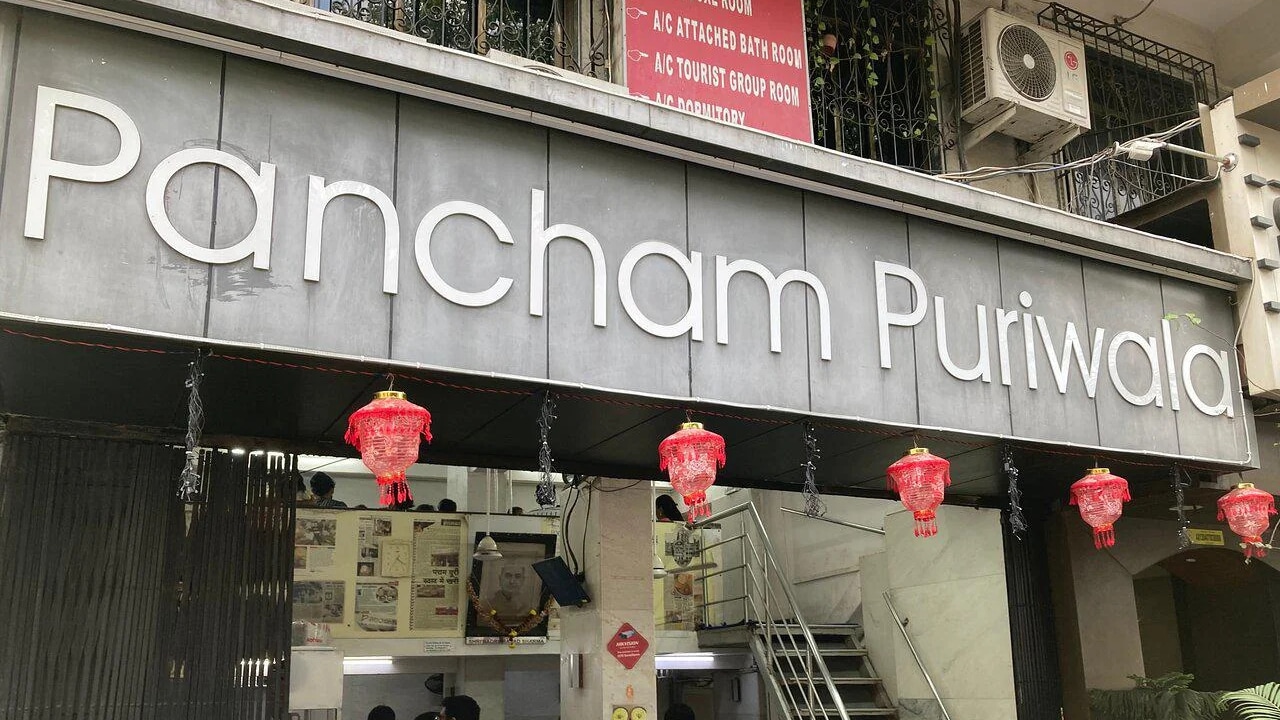
Photo: Reddit
If you are looking for one of Mumbai’s oldest surviving eateries, Pancham Puriwala is hard to miss. The Fort establishment traces its origins to around 1848, when Pancham Das Sharma, who had come to Bombay from Agra, started serving puri-bhaji. More than a century later, puri-bhaji remains at the heart of the menu. The restaurant has added more dishes over the years, but the simple combination that started it all continues to bring in generations of diners.
2. Dorabjee & Sons, Pune
Pune’s Dorabjee & Sons dates back to 1878, when Sorabjee Dorabjee began by selling tea to tonga drivers in the Camp area. Within months, he started serving Parsi food, turning the establishment into the restaurant it is known as today.
The restaurant still has its old-school character and is known for Parsi favourites such as mutton biryani, dhansak and caramel custard. It is now run by the fourth generation of the family.
3. Mambally’s Royal Biscuit Factory, Thalassery
Thalassery’s Mambally’s Royal Biscuit Factory has been baking since 1880, when Mambally Bapu, who had learnt biscuit-making in Burma, returned to Kerala and established the bakery. It began by making biscuits, rusks, bread and buns. The bakery is also associated with one of India’s best-known food-history stories. In 1883, Bapu was asked by British planter Murdoch Brown to recreate a plum cake he had brought from England. The resulting cake is widely regarded as one of India’s earliest documented cakes.
4. Shaikh Brothers, Guwahati
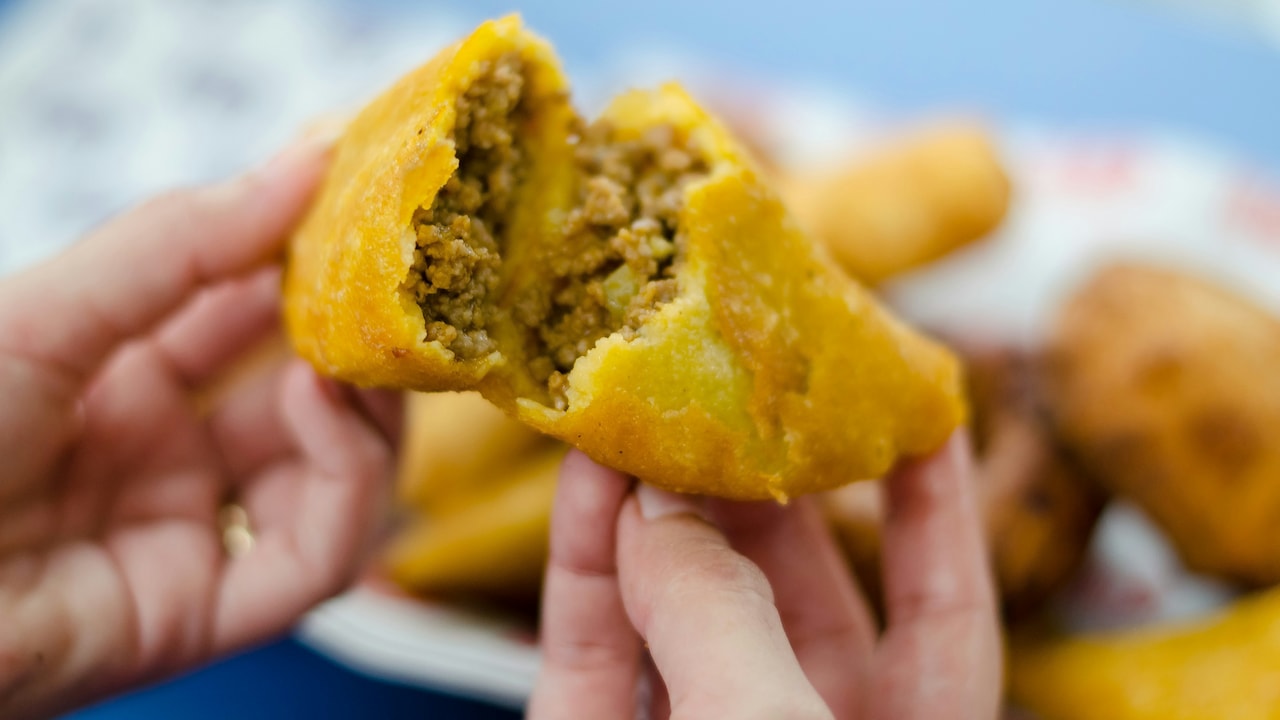
Photo: Unsplash
Established in 1885, Shaikh Brothers is one of Guwahati’s oldest surviving bakeries. Shaikh Ghulam Ibrahim and his brother started the business at a time when bakery products were still relatively new to Assam. The bakery became known for its breads, cakes, biscuits and cheese straws. Its old connection with India’s political history is interesting too: Jawaharlal Nehru was reportedly fond of its cheese straws, while special orders were prepared for him during his visits to the Northeast.
5. Tunday Kababi, Lucknow
A trip to Lucknow’s food lanes is hardly complete without talking about Tunday Kababi. The establishment traces its origins to 1905, when Haji Murad Ali, popularly known as Tunday Miyan, began selling his famous melt-in-the-mouth kebabs in the city’s Chowk area. The family has continued to guard the recipe across generations, and the galouti kebab remains the star of the menu. The brand has since expanded beyond its original Lucknow base, but its story still begins in the city’s old lanes.
6. Karim’s, Delhi
Karim’s has been a part of Old Delhi’s food scene since 1913, when Haji Karimuddin established the restaurant in Gali Kababian near Jama Masjid. The idea was simple: bring the flavours of the Mughal royal kitchens to ordinary diners. The original establishment remains a popular stop for Mughlai food, with dishes such as seekh kebabs, mutton korma, nihari and khamiri roti among its well-known offerings.
7. Kesar Da Dhaba, Amritsar
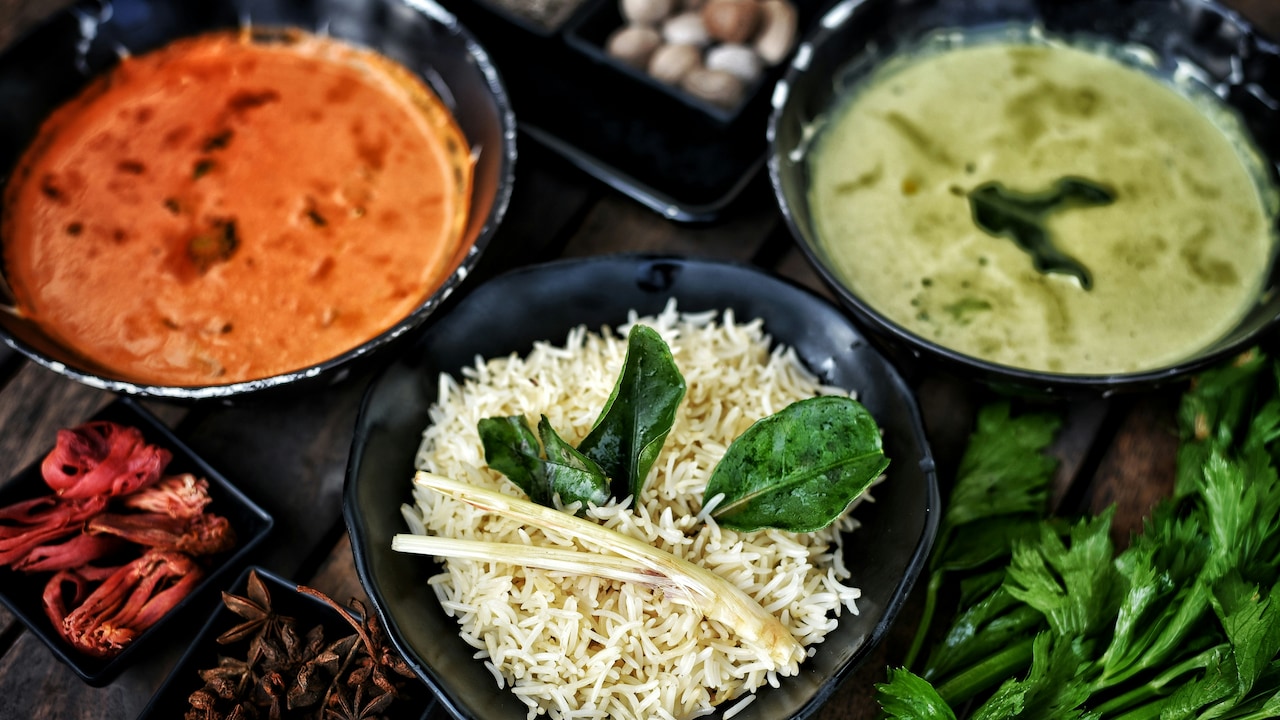
Photo: Unsplash
Kesar Da Dhaba traces its history to 1916, when it was founded in Sheikhupura, which is now in Pakistan. Following Partition, the establishment moved to Amritsar, where it continues to operate today. The restaurant is known for traditional Punjabi food and dishes such as dal, palak paneer, baingan bhartha and its thali. Its cooking continues to rely on traditional recipes and desi ghee, keeping its old-school Punjabi character intact.
Also Read: What Is Front-Of-Pack Warning Label That Prompted A Supreme Court Ultimatum To The Centre
8. Britannia & Co., Mumbai
Mumbai’s Irani cafe culture has produced several legendary names, and Britannia & Co. is among the most enduring. Established in 1923 by Rashid Kohinoor in Ballard Estate, the restaurant became known for its Parsi-Irani food and old-world setting. Its berry pulao is perhaps its most recognisable dish, while salli boti, dhansak and caramel custard also remain popular choices. More than a century after it opened, Britannia & Co. continues to operate from Ballard Estate.
9. Mavalli Tiffin Rooms (MTR), Bengaluru
Bengaluru’s Mavalli Tiffin Rooms, better known as MTR, began in 1924 as the Brahmin Coffee Club on Lalbagh Road. The restaurant later became Mavalli Tiffin Rooms and grew into one of the city’s best-known names for South Indian food. MTR is also widely credited with the invention of rava idli. During World War II, when rice was in short supply, the kitchen experimented with semolina and came up with the steamed snack that is now a South Indian staple.
10. Wenger’s, Delhi
Wenger’s has been part of Delhi’s food scene since the 1920s. The establishment says it began in 1924 as a catering outfit serving British troops in Delhi, while its tea room and confectionery were inaugurated in 1926 at Kashmere Gate. It later moved to Connaught Place, where it remains today. The bakery is known for its breads, cakes, pastries, patties and other confectionery, with several old favourites continuing to feature on the menu. Its Connaught Place outlet remains one of the area’s best-known heritage food destinations
11. Flurys, Kolkata
On Kolkata’s Park Street, Flurys has been serving European-style confections since 1927. The tearoom was founded by Swiss expatriates Mr and Mrs J Flury and soon became a popular meeting place for both British residents and affluent Indians. Today, Flurys is still associated with its cakes, pastries, chocolates and other confectionery, while the original Park Street address remains one of Kolkata’s most recognisable heritage food spots.
So, this Independence Day, if you are in the mood to eat your way through a little bit of India’s past, you know where to start. Which of these historic eateries would you want to visit first? Let us know in the comments below.


