


New Delhi:
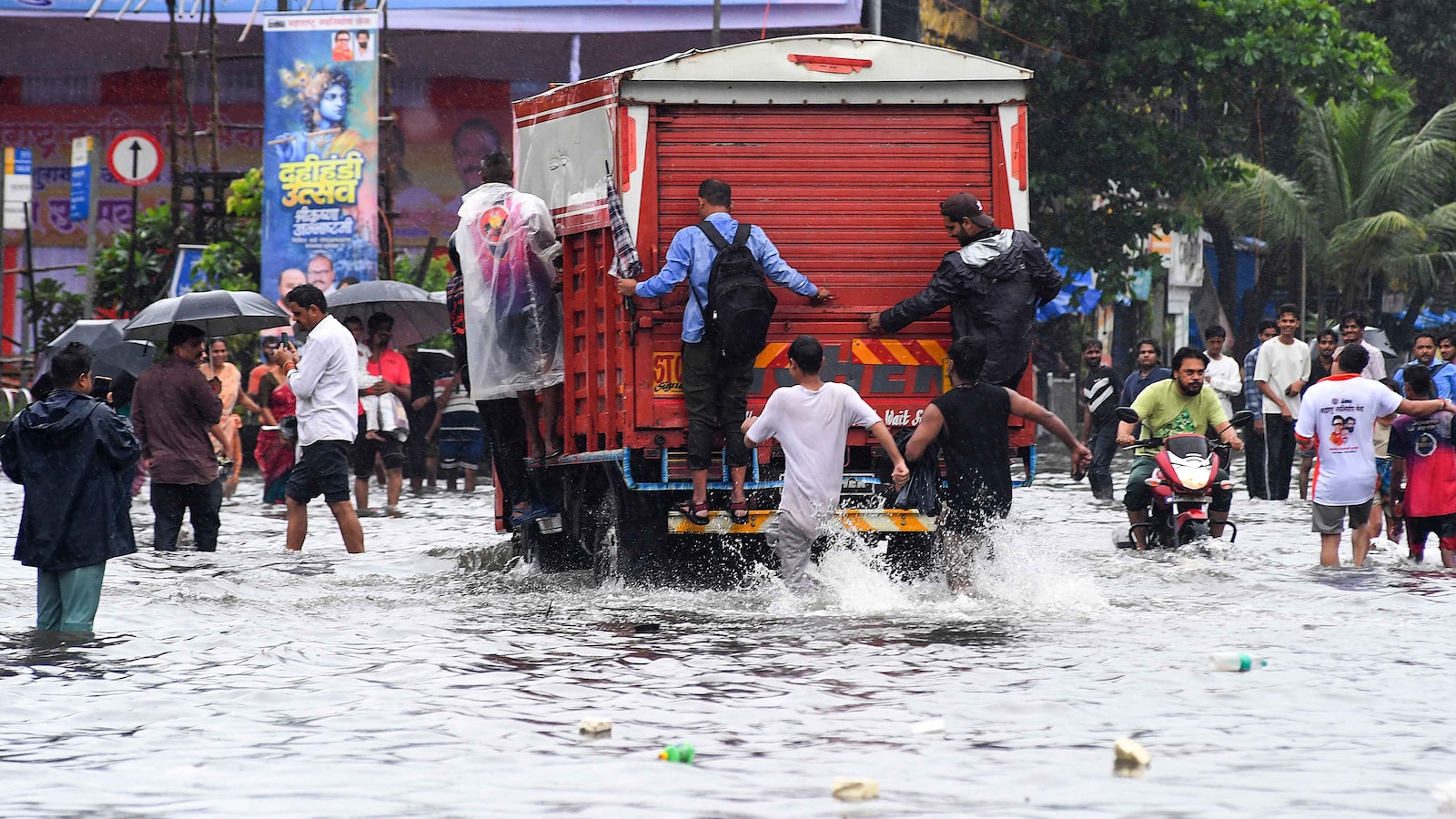
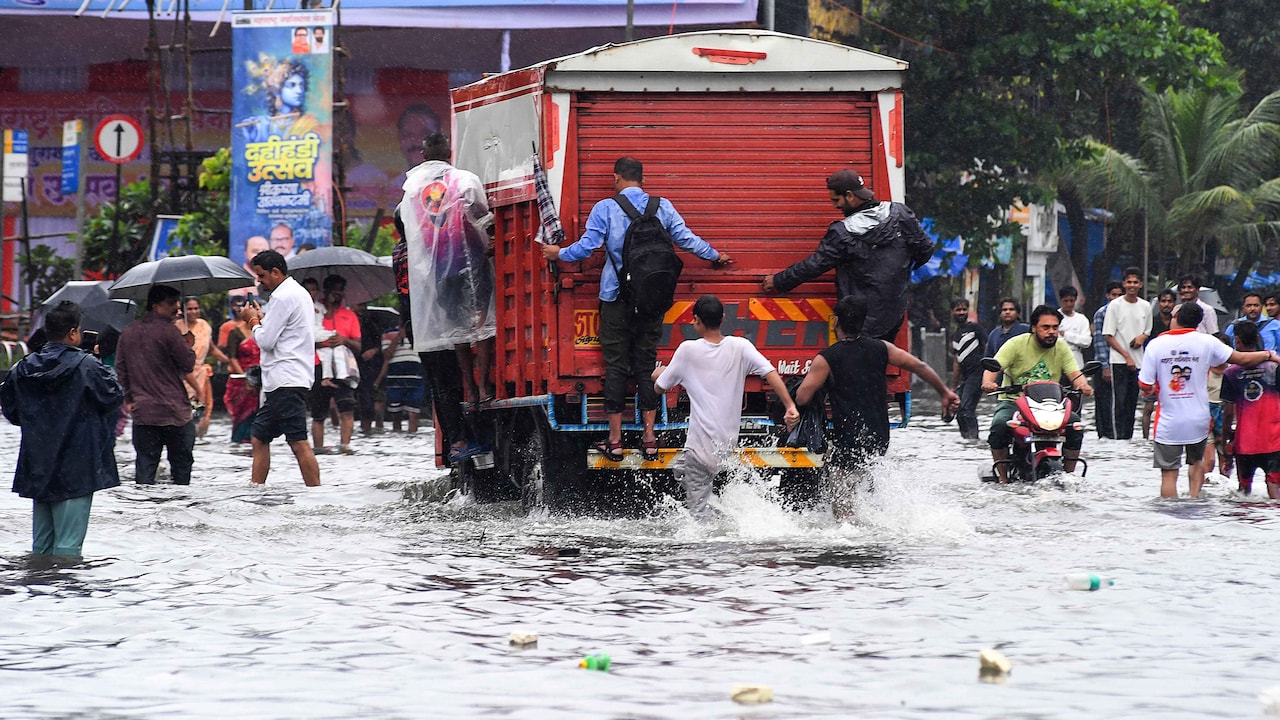
At least 16 people were killed on Sunday in rain-related incidents as southwest monsoon remained active in northern and eastern India, triggering landslides and flash floods.
The India Meteorological Department forecast active monsoon conditions in north, east and northeast India for the next 6-7 days, and predicted a subdued rainfall activity over west-central and south Peninsular India for the next 7 days.
Jammu and Kashmir was the worst hit, with at least 11 people killed and several others missing after torrential rains triggered landslides and flash floods in the twin border districts of Poonch and Rajouri, prompting a multi-agency rescue operation.
The worst devastation was reported from Surankote tehsil in Poonch district, where most of the fatalities occurred. Rescue teams raced against time to trace the missing amid continuing rain and damaged roads, the officials said.
Chief Minister Omar Abdullah, who was in Delhi for the proposed statehood protest, decided to cut short his stay in the national capital and return to Jammu in the afternoon.
Lieutenant Governor Manoj Sinha reviewed the situation in the rain- and flash flood-hit districts and directed officials to ensure immediate relief and assistance to the affected families.
Moreover, authorities temporarily suspended the Amarnath Yatra in the Pahalgam and Baltal routes as the Met department predicted widespread rainfall across Jammu and Kashmir over the next few days.
Officials prohibited onward movement from the Baltal and Nunwan/Chandanwari base camps in the Kashmir region, and the Bhagwati Nagar Yatri Niwas in Jammu.
The rain began early Sunday with cloudbursts taking place in the forests of Kashmir.
The weather department has forecast moderate to widespread rainfall from July 19 to 23 in Jammu and Kashmir.
In Uttarakhand, two people died after being struck by lightning in Haridwar district as continuous rainfall affected most parts of the state. The administration has issued red and orange alerts for 10 districts.
According to the State Emergency Operation Centre (SEOC), landslides triggered by incessant rains have blocked 84 roads, including two national highways, at various locations across the state.
The Meteorological Department issued warnings of heavy to extremely heavy rainfall in several parts of the state from Sunday for the next few days.
An ‘orange alert’ was issued for Dehradun, Tehri, Pauri, Uttarkashi, Rudraprayag, Haridwar and Bageshwar districts, while a yellow alert is in place for Chamoli, Almora and Pithoragarh districts.
In Nagaland’s Kohima, at least three people lost their lives in flash floods, which washed away houses, blocked roads and trapped several people underneath debris, officials said.
Extensive damage to homes, roads and public infrastructure was reported in Mon town, with several areas inundated and major routes blocked by landslides following hours of heavy rainfall.
Authorities have not ruled out the possibility of the death count rising as several people are still reportedly trapped under the debris brought in by flash floods and landslides.
Incessant rainfall since early Sunday caused flash floods and waterlogging in the low-lying areas, while landslides along hill slopes blocked key roads, disrupting traffic, said Johnny Ruangmei, the joint CEO of Nagaland State Disaster Management Authority.
In West Bengal, the Indian Meteorological Department (IMD) has predicted heavy rainfall in the northern districts over the next two days, warning of possible landslides in the hilly areas and flash floods in low-lying areas of the region.
The IMD said that water levels may rise in some rivers in the region, including Teesta, Torsa, Jaldhaka and Raidak, as incessant rain continued to batter the north Bengal districts of Darjeeling, Kalimpong, Jalpaiguri, Alipurduar and Cooch Behar since Saturday.
According to the IMD, extremely heavy rain is likely in the districts of Jalpaiguri and Alipurduar, and very heavy rain in the other sub-Himalayan districts.
(Except for the headline, this story has not been edited by NDTV staff and is published from a syndicated feed.)



