


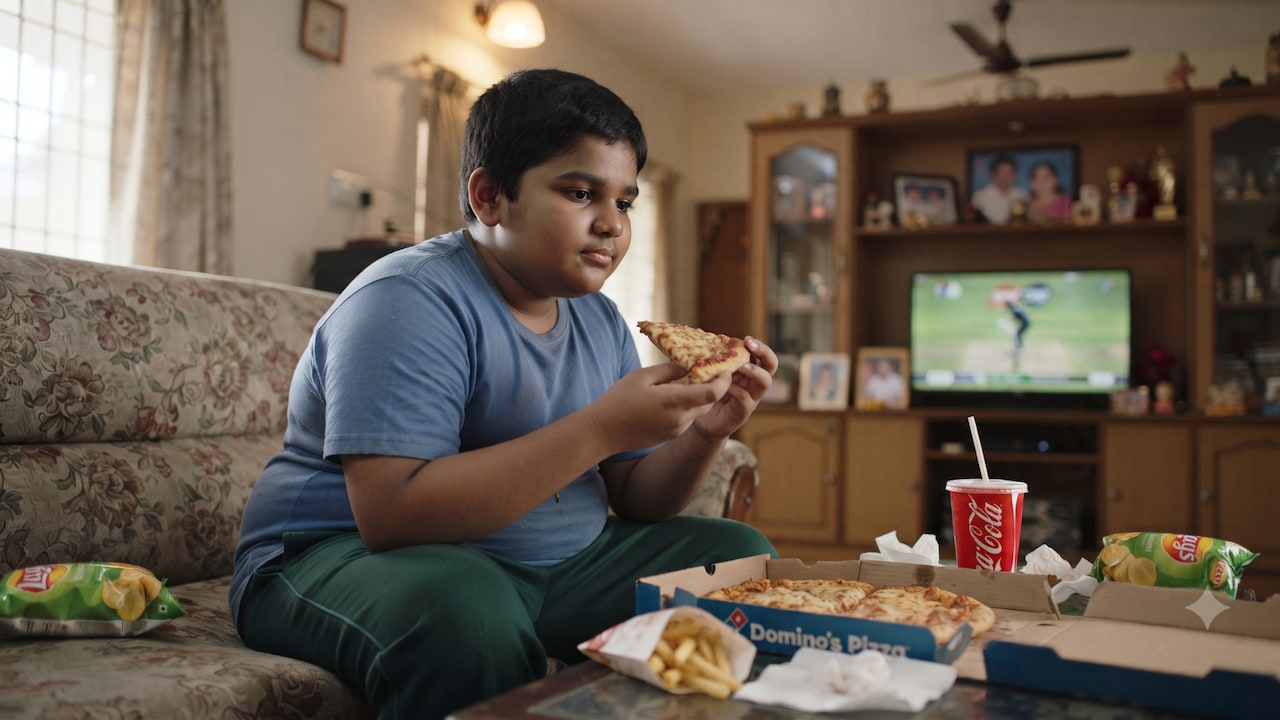
The World Health Organization (WHO) issued its first global guidelines on childhood obesity on October 7, 2026, calling for a comprehensive approach that combines healthy eating, physical activity and behavioural support.
The problem is significant. In 2024, around 170 million children and adolescents aged 5–19 were living with obesity worldwide, with prevalence rising fourfold since 1990, from 2% to 8%. WHO also emphasises that treatment must address mental health, stigma and bullying alongside physical health.
What Causes Childhood Obesity?
Obesity is not simply the result of overeating. Genetics, biological factors, food environments, limited opportunities for physical activity, inadequate sleep and psychological distress can all play a role. Anxiety, depression and low self-esteem may also affect eating habits and activity levels.
Also Read: These Students Turned A Campus Sandwich Pop-Up Into A Rs 1 Crore Venture
No single symptom confirms obesity. Parents should consult a paediatrician if they are concerned about a child’s growth pattern or weight trajectory, rather than relying on appearance alone.
What Should Children Eat?
A balanced, varied diet supports healthy growth. WHO’s healthy diet guidance recommends prioritising minimally processed foods.
Fruits and vegetables: Include seasonal fruits, carrots, spinach and other vegetables for fibre, vitamins and minerals.
Whole grains: Choose oats, whole-wheat roti, millets and brown rice for fibre and sustained energy.
Protein-rich foods: Add dal, beans, chickpeas, eggs, curd or other suitable protein sources to support growth and muscle development.
Healthy fats: Include age-appropriate portions of nuts and seeds, where safe, for essential nutrients.
Limit sugary drinks, frequent packaged snacks and foods high in salt, sugar and unhealthy fats. Avoid restrictive diets or labelling foods as forbidden without professional guidance.
Which Activities Can Help?
Encourage children to enjoy movement rather than treating exercise as punishment. Walking, cycling, dancing, swimming, outdoor games and age-appropriate sports can help build an active routine. Parents can also encourage regular sleep, breaks from prolonged sitting and shared family activities.
Also Read: Stay Full And Energised During Navratri With This Beetroot-Makhana Raita
Why Mental Health Matters
WHO stresses that obesity care must also protect emotional well-being. Weight-based teasing, bullying and social isolation can affect a child’s confidence and behaviour. Parents should avoid shaming children about their bodies, listen to their concerns and seek professional support if anxiety, low mood or eating-related distress persists.


