


Japan is working on something it has not had since the end of the Second World War: a single, centralised intelligence agency. To get there, Tokyo has been seeking advice from allies including the United States, Australia and Germany, as per a report by The New York Times.
The roots of this gap sit in the aftermath of World War II, when the American forces took apart Japan’s security network almost entirely. From that point on, Japan leaned heavily on the US whenever it needed intelligence from beyond its borders.
Even decades later, the country’s intelligence effort remains scattered. Defence staff, diplomats, police units and other bodies each collect and study information on their own, rarely comparing notes with one another. That lack of coordination has left Japan open to spying and outside meddling.
The New York Times reported on Sunday that Russia has turned Japan into something of a hotspot for its spies, using the country to help source parts for weapons, get them shipped home, and dodge sanctions along the way. Other governments have flagged this to Japan directly.
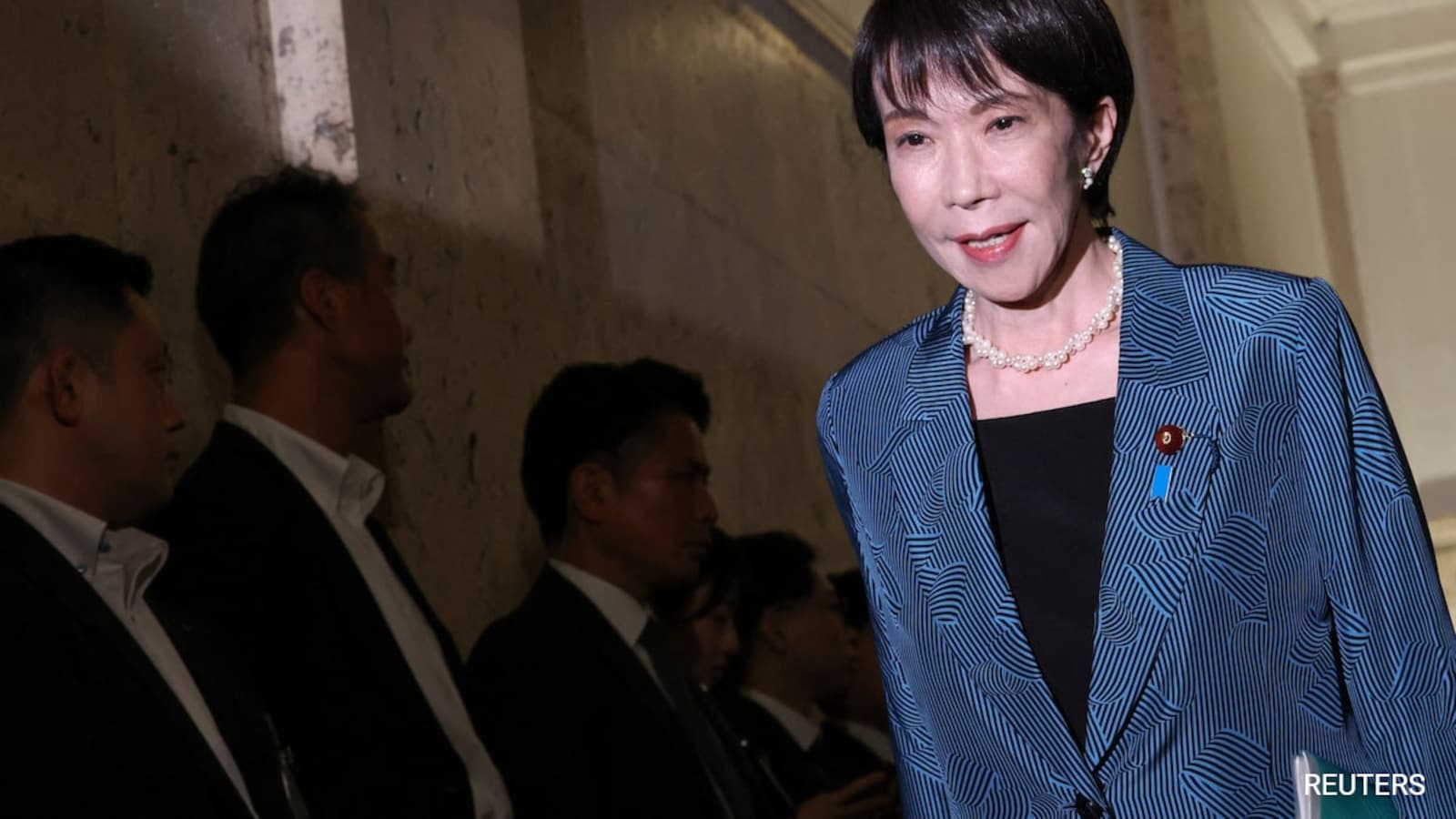
At the heart of it all is Prime Minister Sanae Takaichi, who sees a new domestic agency as central to her broader ambition of freeing Japan from the security constraints it has carried since the war, at a time when China, Russia and North Korea are all applying pressure in different ways.
Takaichi is also working to sharpen Japan’s laws against espionage, and has voiced support for setting up a standalone foreign intelligence body along the lines of the CIA.
Allies Lend A Hand
American intelligence officials, given the depth of the security relationship between the two countries, have shared their thinking on cyberdefence and on tackling industrial espionage, the report says. They have also weighed in on how Japan might keep closer tabs on foreign investment and on agents working inside the country.
Germany has played its part as well. The chief of the BND, its foreign intelligence agency, made a recent trip to Tokyo, in part to talk through Japan’s new agency and ways the two nations could swap intelligence more effectively, the newspaper reported.
Australia has also offered pointers on technology, along with advice on how to get Japan’s various ministries pulling in the same direction instead of working in isolation from one another.
But not everyone is pleased with the plan. China has pushed back, accusing Takaichi of stoking militarism.
What The New Agency Will Look Like
Backed by a budget of roughly $407 million, the agency is on track to be up and running by December. Its early workforce is expected to run into the hundreds, drawing in software engineers, cybersecurity specialists and liaison staff posted overseas. Entrance exams for new recruits are planned for next year, Japanese media outlets report.
Once operational, the agency is meant to sit at the centre of Japan’s intelligence work, pulling together the roughly 33,000 people already doing this kind of work across government, spanning the police, the defence ministry and the foreign affairs ministry.
At present, the Cabinet Office is meant to handle this coordination, but it has no real power to make other agencies hand over what they know. Takaichi’s overhaul will also bring in a separate intelligence council, effectively a command centre, with the prime minister himself at the helm.
Much of this builds on the work of Takaichi’s political mentor, Shinzo Abe, Japan’s longest-serving prime minister. Under Abe, many of the restrictions on defence and intelligence work dating back to the post-war era began to be rolled back.
It was Abe who created a National Security Council and secretariat modelled on the American system, and who pushed through a national secrets law meant to shore up Japan’s reputation for leaking sensitive information.



