

























The Indian rupee is under pressure, oil is stubbornly above $100 a barrel, and people are humming the Melody jingle. These three things have more in common than you might think. They are all, in their own way, telling Indian investors and policymakers the same thing: the time for complacency is over.
The Rupee Problem Has No Easy Answer
The Reserve Bank of India has started shoring up the rupee’s defences, as it typically does when the currency comes under sustained stress. Selling dollars from the foreign exchange reserve chest is the first tool off the shelf – familiar, visible, and reassuring in the short run. But it has limits. Reserves are finite, and burning through them to defend a level is a strategy, not a solution.
Interest rate hikes, the other blunt instrument, are an unlikely first choice at this juncture. The RBI is not going to tighten its way out of a currency problem when growth remains the priority on the other side of the ledger.
What remains? FCNR deposits and NRI deposit schemes have been deployed before – most memorably in 2013 – and could be revived. But these are high-cost options. You are essentially paying a premium to borrow confidence. They work, but they leave a bill.
The more provocative argument comes from 16th Finance Commission Chairman Arvind Panagariya, who has made the case for simply letting the rupee depreciate. It is not a fringe view. A weaker rupee, left to find its own floor, could correct external imbalances more organically than repeated intervention. The counter-argument – imported inflation, fuel subsidy blowouts, and corporate debt stress on unhedged books — is equally compelling. There is no clean answer here. But the debate needs to happen in the open, not just in RBI corridors.
Are We Ready For When The Crisis Ends?
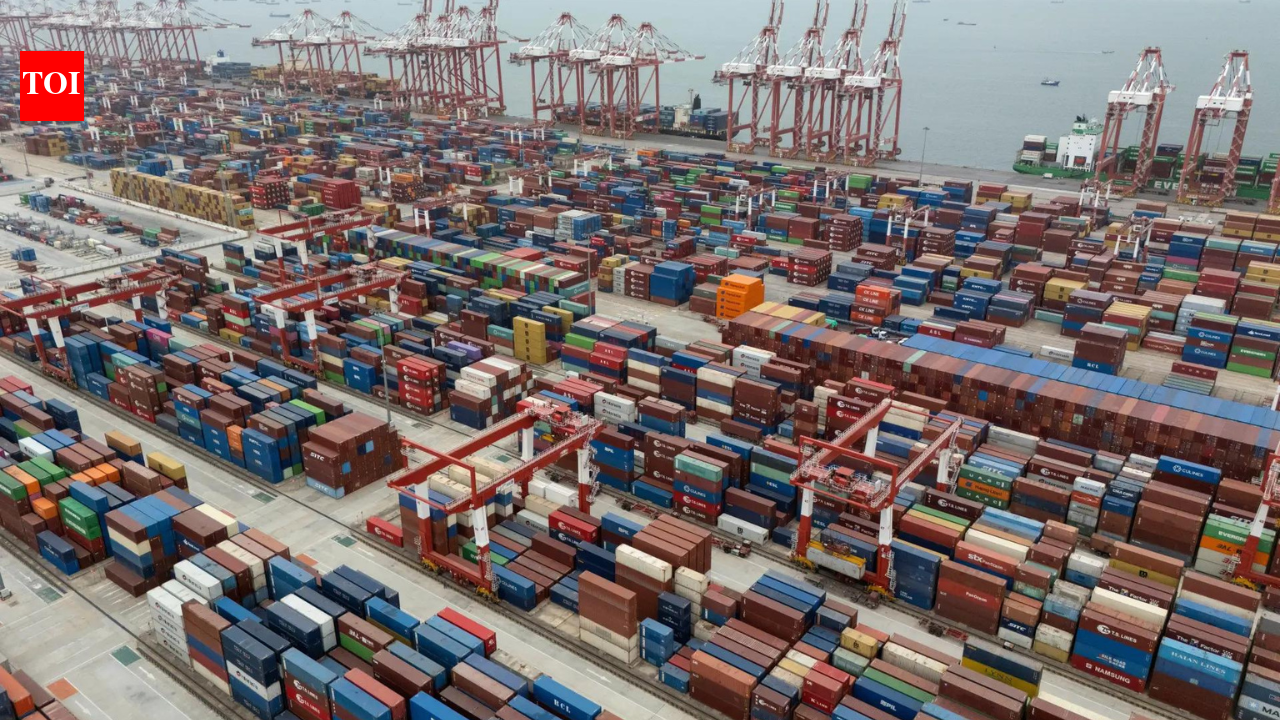
Markets have developed a peculiar immunity to the noise coming out of Washington and Tehran. The constant commentary on the West Asia conflict — the threats, the back-channel diplomacy, the ceasefire rumours — has been almost entirely priced out by a street that has heard it all before. What has not been priced out is oil at $100-plus, because that is not rhetoric. That is a hard number showing up on every import bill.
The real question is not when the conflict ends. It is what ends first – the war, or the world’s dependence on the Strait of Hormuz. Alternative shipping corridors, accelerated investment in energy diversification, and strategic reserve policies are all quietly advancing. When the crisis does ease – and it will – the unwind could be sharp. Oil reverting towards $75-80 would be disinflationary, positive for India’s current account, and a relief for the RBI.
The question every portfolio manager should be asking right now is not whether the crisis continues. It is whether they are positioned for when it does not.
The Melody Moment And What It Is Really Saying
And then there is Melody. The resurgent love for a decades-old toffee brand is not just a nostalgia story, it is a signal. This week, Melody made a comeback in public conversation when Narendra Modi gifted a packet of the toffees to Giorgia Meloni. Comically, the stock market reacted by pushing micro-cap Parle Industries to an upper circuit, despite the company having nothing to do with the confectionery maker.
In times of uncertainty, consumers retreat to the familiar. Trusted names, proven products, and brands with genuine recall do not need to reinvent themselves. They just need to survive long enough for the cycle to turn in their favour.
For equity investors, the Melody moment is worth pausing on. This is perhaps a good time to look past the noise and revisit solid, steady businesses – companies with clear profitability visibility, manageable debt, and no requirement for a macro miracle to justify their valuations. Infrastructure plays with locked-in order books, solar energy companies riding a structural policy tailwind, FMCG names with pricing power, and pharma businesses with domestic formulation strength all fit this description.
The glamour trade — the high-beta, high-promise names — has had its run. The market may now be in the mood for something a little more like Melody: unpretentious, consistent, and quietly indispensable.
The rupee needs defending, the oil risk needs hedging, and portfolios need rebalancing towards value. Old playbooks, it turns out, still work.
This Week On Disruptors
Wealth management is nothing new in India. So what makes Dezerv a disruptor? Three IIFL executives spotted what much of the industry missed: India’s new and emerging rich had nowhere to invest. Conventional wealth managers were still chasing HNIs and generational family businesses.
So, in 2021, locked down by Covid and backed by initial funding from their wives, friends and colleagues Sandeep Jethwani, Vaibhav Porwal and Sahil Contractor launched Dezerv. Today, the company manages assets worth more than Rs 10,000 crore and was valued at about $300 million in its latest Series C funding round.
Watch the full conversation here:
Essential Business Intelligence,
Continuous LIVE TV,
Sharp Market Insights,
Practical Personal Finance Advice and
Latest Stories — On NDTV Profit.



