


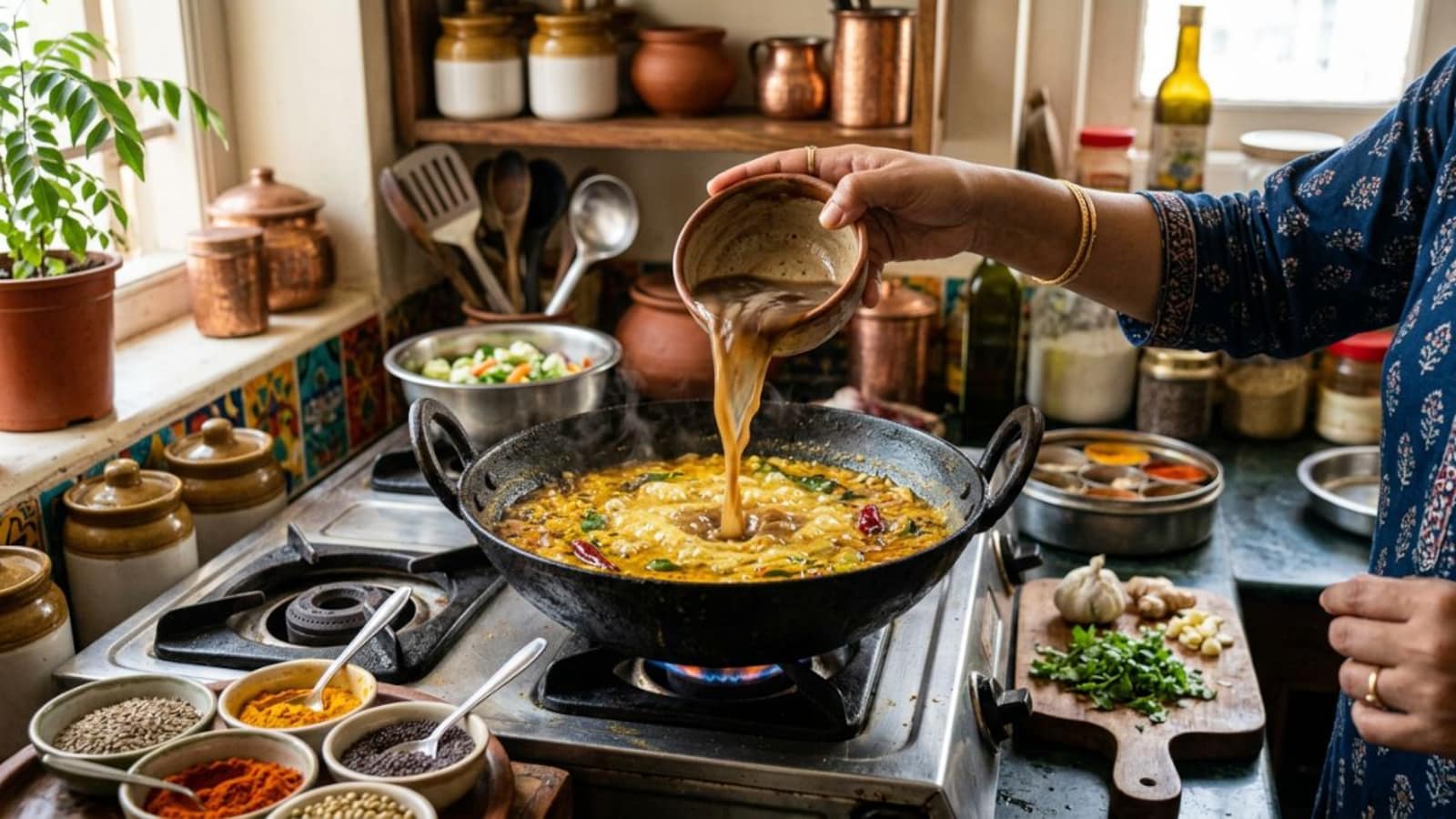
Tamarind is one of those ingredients that can completely transform a dal. It adds tanginess, depth, and that signature comforting flavour found in many Indian dishes. But if you have ever followed a traditional dal recipe closely, you may have noticed one common instruction – add tamarind only after the dal is fully cooked. It may seem like a small detail, but this step quietly influences how the dal cooks, absorbs water, and develops its final texture. Here’s why this timing matters more than it seems.
Also Read: How Dahi Lauki Keeps Your Body Cool And Your Gut Healthy
What Happens When Tamarind Is Added Too Early?
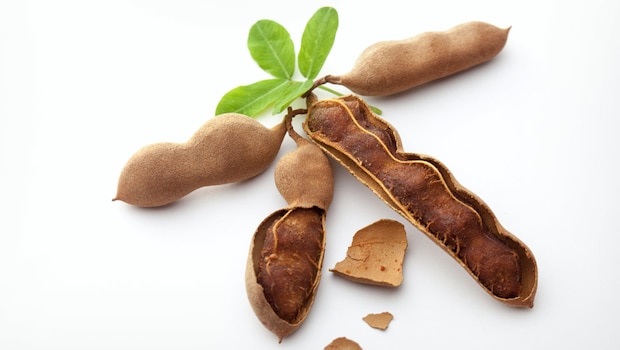
Tamarind is acidic in nature. When acidic ingredients are added to lentils before they have cooked properly, they interfere with the softening process. Lentils absorb water and break down gradually, but the presence of acid slows this process significantly. As a result, the dal may take much longer to cook and can still remain slightly firm or grainy instead of turning soft and smooth. This is why early addition often leads to uneven texture even after prolonged cooking.
Why Tamarind Is Added After Cooking
1. Acid Slows Down Softening
Lentils rely on steady hydration to soften while cooking. Acidic ingredients like tamarind disrupt this process by slowing water absorption, making it harder for the dal to break down properly. This is why adding it too early can interfere with the cooking process.
2. Helps Maintain A Creamy Texture
Adding tamarind later ensures the dal reaches its ideal consistency first. Once the lentils are fully softened, the tamarind can be mixed in without affecting the texture, keeping the dish smooth and well-balanced.
3. Balances Flavour Better
When tamarind is added towards the end, its tangy flavour remains fresh and bright. Cooking it for too long can dull its sharpness, making the overall taste less vibrant and slightly flat.
4. Prevents Unnecessary Overcooking
If tamarind is introduced too early, you may find yourself cooking the dal longer to achieve softness. This can lead to overcooking, which can affect both the structure of the lentils and the overall flavour of the dish.
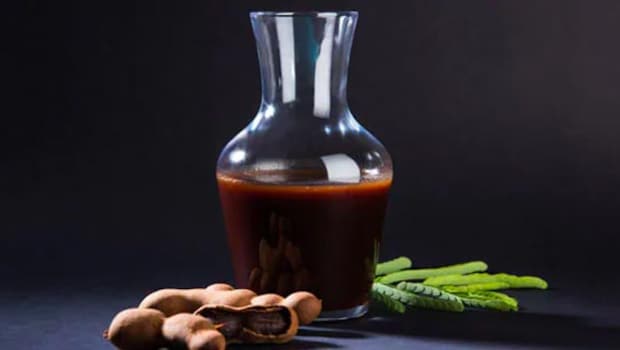
Tamarind is best added once the dal has completely softened. Typically, it is stirred in during the final simmering stage, allowing it to blend without interfering with the cooking process. Let the dal cook for a few more minutes after adding it so the tanginess distributes evenly and integrates well with the other flavours.
Also Read: 8 Litchi Recipes To Make The Most Of India’s Sweetest Summer Fruit
Common Mistakes To Avoid
- Do not add tamarind directly to uncooked lentils before pressure cooking.
- Avoid using too much tamarind at once, as it can overpower the dish.
- Always strain tamarind pulp properly to remove fibres and seeds for a smoother consistency.
Which Dals Commonly Use Tamarind?
This technique is especially common in:
- Sambar
- Rasam
- South Indian-style dal preparations
- Tangy toor dal recipes
Small cooking details often make the biggest difference, and this is one of them. Getting the timing right ensures better texture, more balanced flavour, and a more satisfying bowl of dal every time you cook.



