


New Delhi:
The National Investigation Agency (NIA) has uncovered how the main suspect in the Red Fort car blast obtained materials for explosives by using a false identity and established a small-scale laboratory in his home. The anti-terror agency has found that Dr Umar Un Nabi, who was driving the explosives-laden car and died in the blast, bought chemicals and specialist equipment using a fake name.
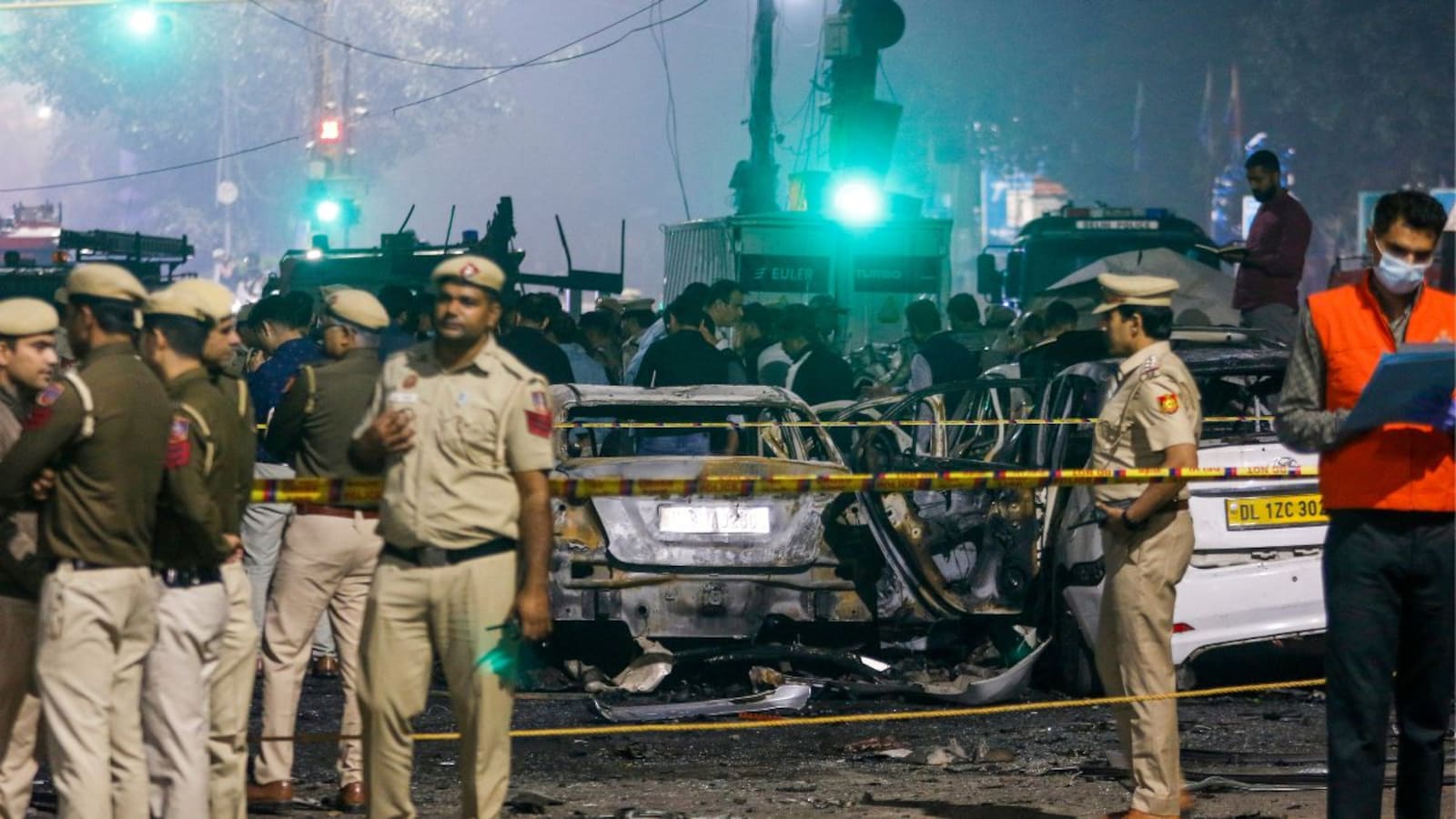
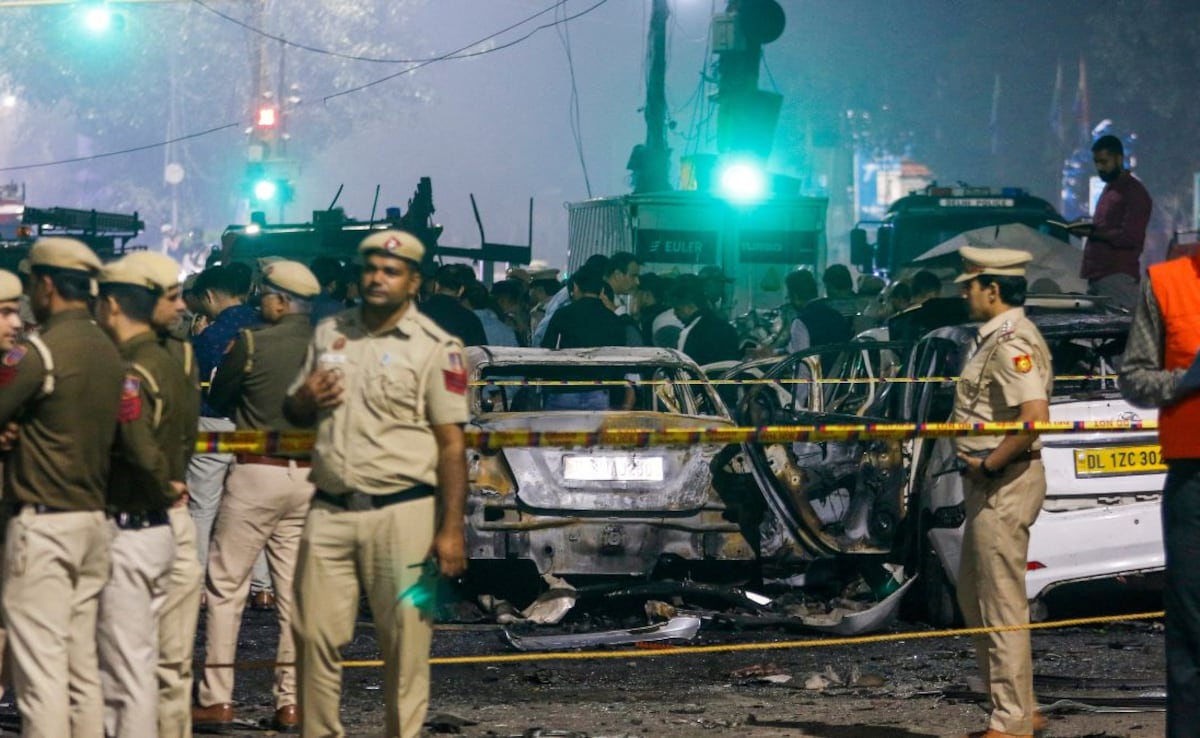
The high-intensity vehicle-borne IED blast that rocked the national capital on November 10 last year left at least 11 people dead and injured several others.
Umar un Nabi gathered information on bomb-making from both online and offline sources and set up a makeshift laboratory in his flat in Haryana’s Faridabad near Al Falah University. According to the NIA, Umar had researched various chemicals and methods for making explosives over an extended period. He carried out experiments in the flat with the aim of producing a prototype explosive material.
A delivery challan dated September 25, 2024, issued by a small trader in Mumbai, provided key evidence about the supply of materials. It recorded the purchase of a mixed metal oxide (MMO)-coated titanium anode, a specialised electrode required for an electrolysis process.
Interrogation of the accused revealed that this electrolysis was conducted in Umar’s flat to produce chlorates and perchlorates from a solution of common salt, a technique he had learned during his research. Chlorates and perchlorates are substances commonly used in fireworks and explosives.
Although Umar was the actual buyer of the anode, the challan listed the buyer’s name and mobile number as belonging to another person. The NIA states that he created a fake identity under the name Rahul Bhat (also referred to as Rahul Bhatt) and set up an account on the IndiaMART platform. Under this name, he expressed interest in items including fertiliser bags, acetone solvent, anodes and chemicals.
In August 2024, Umar contacted a shopkeeper in Mumbai and transferred approximately Rs 25,000 via the PhonePe digital payment platform. The shopkeeper dispatched the goods by courier to an address just outside Al Falah University, where Umar collected them in person.
Using the same false identity, Umar later negotiated the purchase of ten additional anodes. The transaction was not completed because security agencies disrupted the alleged terrorist module. The NIA has linked the module to Ansar Ghazwat-ul-Hind (AGuH), a group affiliated with the banned organisation Al-Qaeda in the Indian Subcontinent (AQIS).
The investigation also established that Umar, together with co-accused Dr Muzammil Shakeel, travelled to Ahmedabad in Gujarat on April 12 last year. The purpose of the visit was to obtain chemicals needed for manufacturing explosives. The pair offered prayers at a mosque in the area and returned to Al Falah the following day.
Officers recovered radical jihadist literature and documents related to the manufacture of explosives from the mobile phones of the accused. These materials had inspired their experiments.
The NIA filed a chargesheet running to approximately 7,500 pages on May 14, naming a total of ten accused.



