


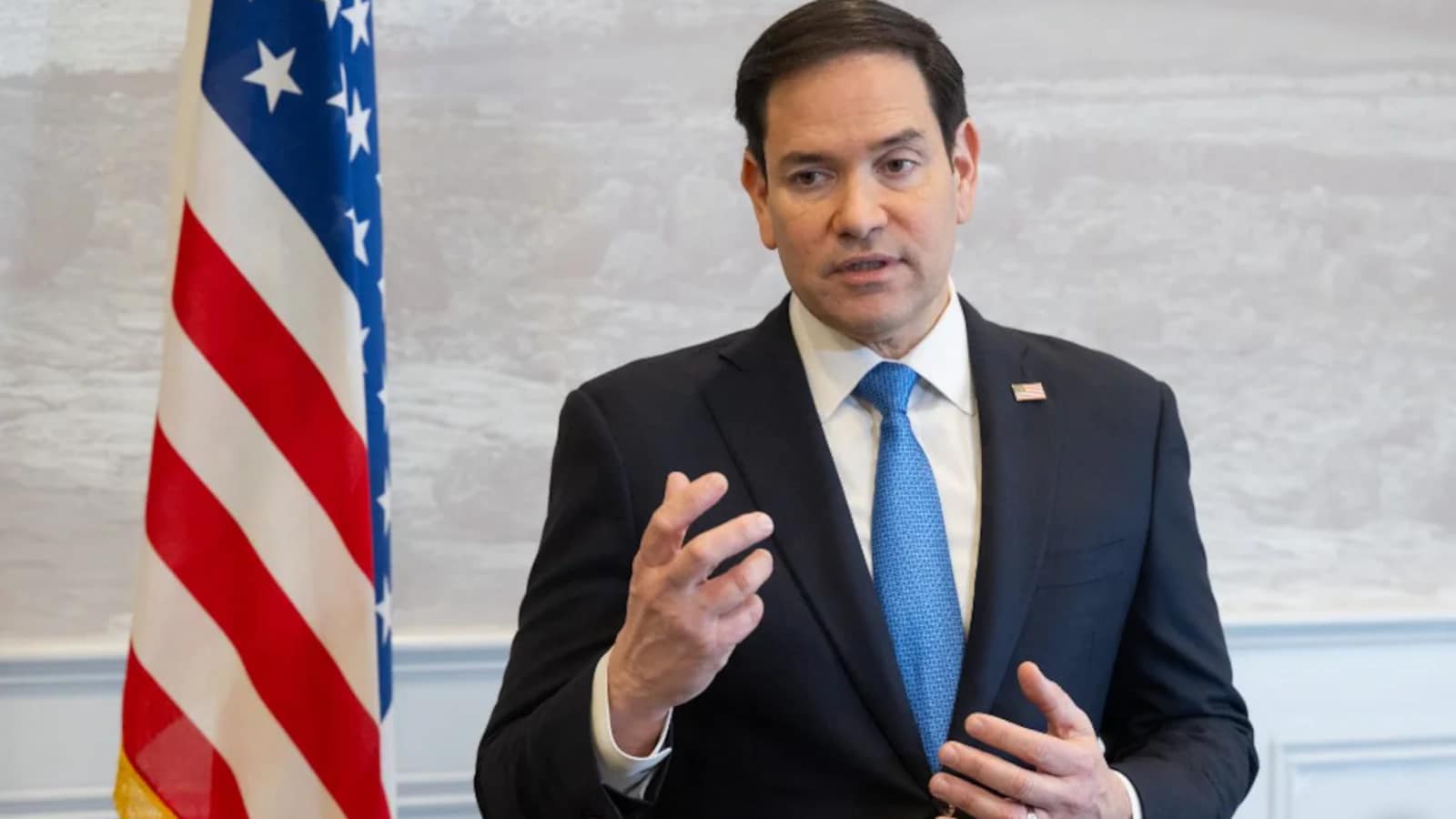

US Secretary of State Marco Rubio’s visit to India has yielded a raft of high-stakes agreements spanning critical minerals, energy security, digital infrastructure, and defence technology, prompting the US-India Business Council (USIBC) to declare the visit a landmark moment in one of the world’s most consequential bilateral relationships.
The centrepiece of the visit was the signing of the US-India Framework on Critical Minerals and Rare Earths – a structured agreement designed to build joint investment pipelines, off-take agreements, and co-development partnerships across the full value chain, from mining and processing to the manufacture of rare earth magnets. The timing is pointed: as China tightens its grip over global rare earth supply chains, Washington and New Delhi are signalling a coordinated push to build alternative networks anchored in democratic partnerships.
The announcement was further reinforced at the multilateral level, where the Quad – comprising the United States, India, Japan, and Australia – unveiled its own Critical Minerals Framework on the sidelines of the New Delhi meeting. By stacking bilateral and Quad-level commitments simultaneously, both governments appear determined to give these frameworks structural durability rather than leaving them as diplomatic window dressing.
Energy security emerged as the other defining pillar of the visit. With mounting instability around key maritime chokepoints – including the Strait of Hormuz – driving fuel and fertiliser price volatility across the Indo-Pacific, the Rubio visit produced two significant energy initiatives: the Quad Fuel Security Forum and the Quad Initiative on Indo-Pacific Energy Security. For India, the world’s third-largest oil consumer and one of its fastest-growing clean energy markets, these frameworks position New Delhi as a load-bearing pillar of regional energy resilience – and a natural destination for American energy investment.
USIBC President Ambassador (ret.) Atul Keshap welcomed the breadth of outcomes. “This week’s announcements on energy security, critical minerals, and maritime ports demonstrate there is a lot of life and logic to the Quad,” he said, adding that hosting the Quad meeting in New Delhi “reinforces India’s role as a vital global partner.”
Beyond minerals and energy, the visit advanced cooperation on trusted digital infrastructure, undersea cable connectivity, next-generation communications standards, and bio-manufacturing and pharmaceutical supply chain resilience – sectors the USIBC views as concrete commercial openings for American and Indian businesses across the region.
At the bilateral level, the TRUST framework for strategic technology cooperation, progress on civilian nuclear power and data centers, defense co-production initiatives, and renewed momentum toward a long-delayed bilateral trade framework collectively signal what the USIBC called the “full depth of ambition” of the US-India partnership.
The visit arrives at a moment when global supply chains are under stress, geopolitical competition is intensifying, and both Washington and New Delhi are actively seeking to reduce dependence on adversarial powers for critical technologies and commodities. Rubio’s New Delhi trip appears calibrated to accelerate that strategic convergence – and translate diplomatic goodwill into binding commercial architecture.
The USIBC said it would work with industry partners to support implementation across all priority areas, framing the moment plainly: the world’s leading democracies, it noted, are at their best when they lead together.



