


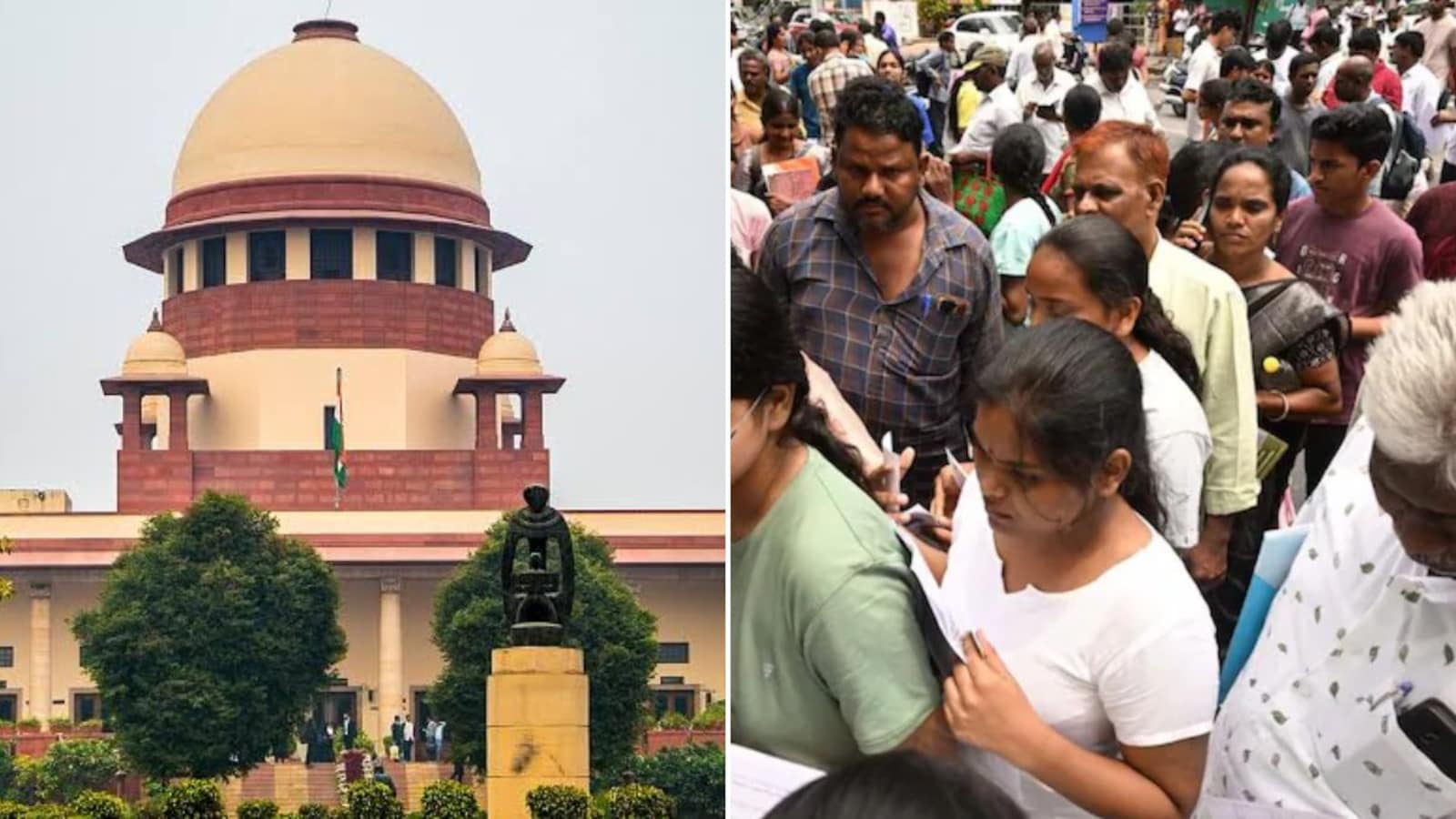
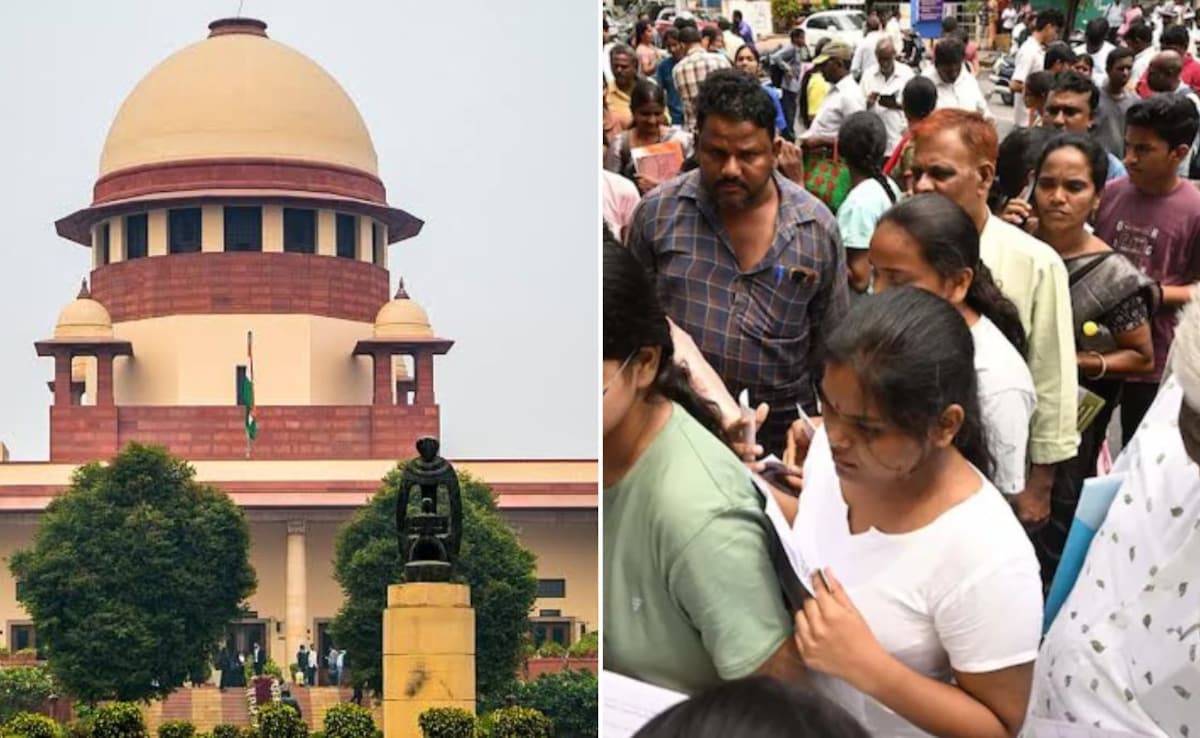
The Supreme Court said Friday it will “monitor for some time” the investigation into the leak of the question paper for the 2026 NEET-UG test, i.e., the qualifying examination that lakhs of young men and women take for admission to undergraduate medical courses in the country.
The court stressed the need to establish accountability for the lapses; “The real problem won’t stop till actual accountability arises,” a bench of Justice PS Narasimha and Justice Alok Aradhe said, as it heard pleas by various stakeholders seeking a range of corrective measures.
These measures include shifting the NEET-UG exam to a fully computer-based test.
Last week the court criticised the National Testing Agency – which administers competitive entrance tests like NEET – for not having learned lessons from previous leaks. In this hearing it demanded to know how leaks could happen despite monitoring and oversight mechanisms.
The court compared the holding of NEET exams with those of the UPSC, or Union Public Service Commission, and observed such incidents, i.e., question paper leaks, did not occur in the latter.
“How did this failure occur?” the court demanded of the NTA.
“It is very traumatic if this is happening. We cannot disappoint our students. It is not merely the student… it is the family too. It is so much of emotion, love, time…” Justice PS Narasimha said.
The court asked Dr K Radhakrishnan, the ex-ISRO Chairperson who was earlier on the high-powered committee (HPC) and then appointed to the monitoring committee (MC), how much of the former committee’s recommendations had actually been implemented.
The court noted that pursuant to its direction the Director of the NTA had filed an affidavit indicating the process by which recommendations of the HPC had been implemented. The court further noted that Dr Radhakrishnan had also filed an affidavit on the implementation.
“… despite a high-powered committee if this incident happened, (then) there is something wrong with the original recommendation, or there is no proper implementation,” he said.
Dr Radhakrishnan noted that over 100 recommendations had been made, of which 60 were short-term measures designed specifically for the 2025/26 examination cycle. Most of these, he said, had already been implemented and the rest were in the process of being implemented.
“In 2025 the NEET-UG was conducted satisfactorily. There were incidents of power failures in some centres… otherwise recommendations were implemented and worked,” he pointed out.
Pressed on how the leak then happened, he indicated problems at the level of setting the question paper, and assured the court this gap had now also been plugged.
The court then asked the government to file an affidavit and posted the matter for the second week of July.



