


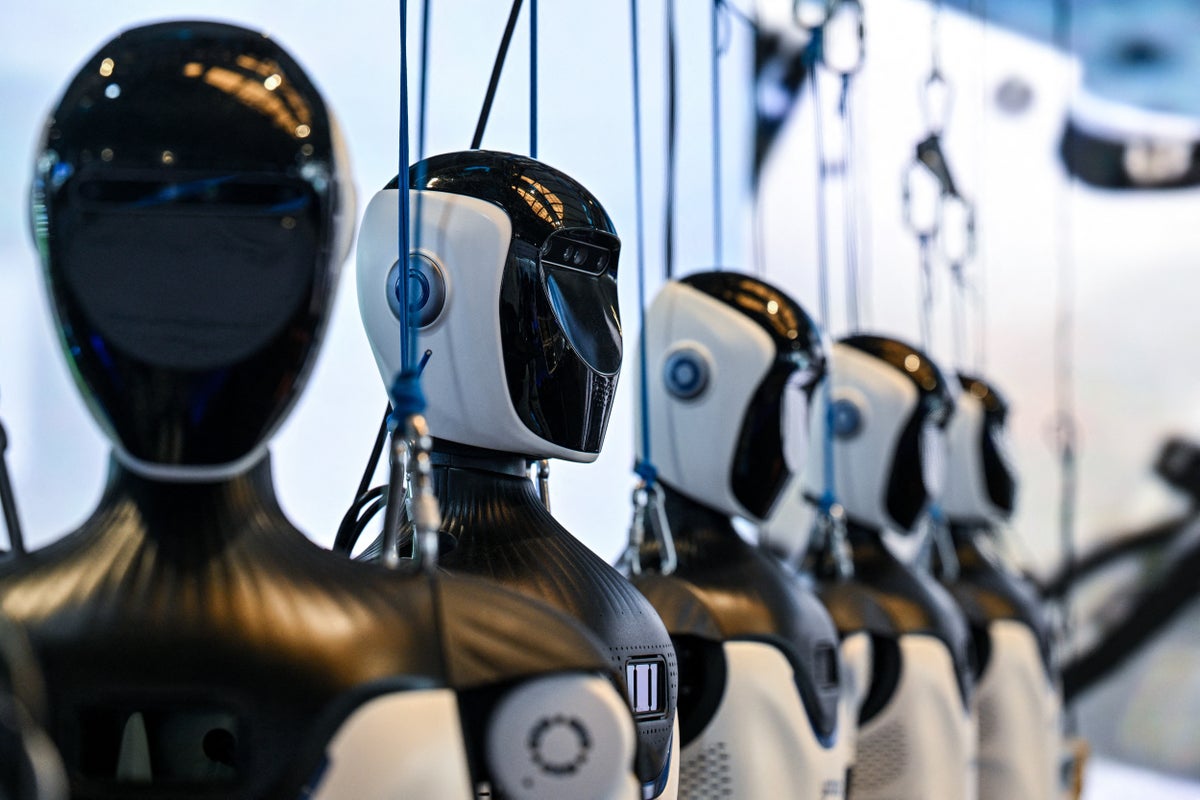
Major American carriers are expanding restrictions on high-tech travel companions, with Delta Air Lines and United Airlines becoming the latest companies to prohibit humanoid and animal-like robots from aircraft cabins and checked baggage.
The decisions follow a similar move by Southwest Airlines in May, which introduced its ban after a passenger boarded a flight with a robotic companion earlier this year. Airlines have cited general safety and operational concerns as carriers act to set boundaries around the emerging technology.
United instituted its restriction on July 23 as a proactive measure, noting that the policy was not prompted by a specific incident on its flights.
“We believe this change will help further ensure the safety of our customers and crews,” an airline spokesperson told The Independent, adding that lifelike robots often relied on heavy-duty batteries that were already prohibited on flights. The carrier will still allow other automated devices and select toys on board, as long as they adhere to existing baggage limits and battery safety protocols.
Delta implemented a similar policy on June 18, banning any devices built to imitate humans or animals in size, movement, appearance or behavior from both passenger areas and cargo compartments.
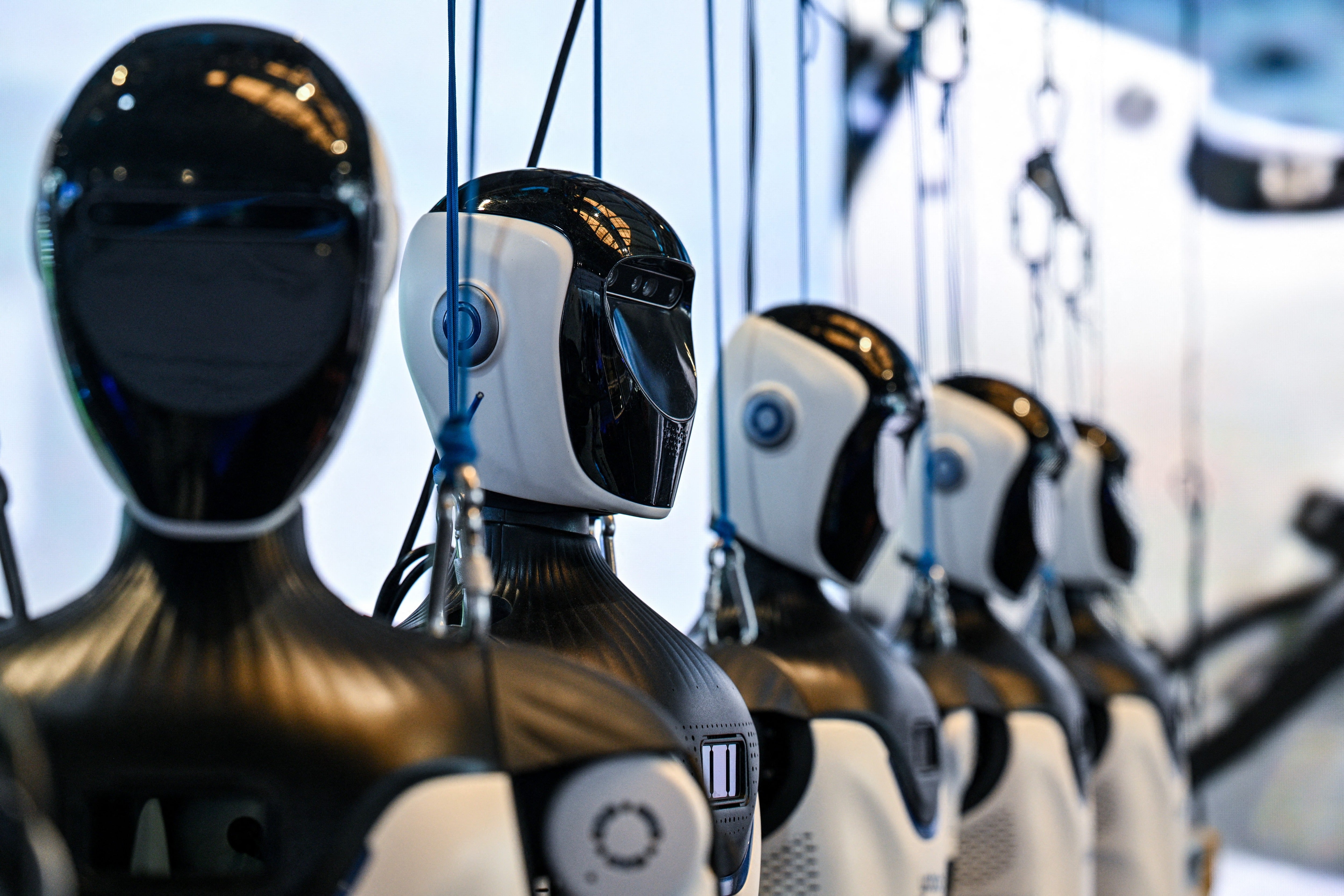
“Delta does not permit human- or animal-like robotic devices to be transported in the aircraft cabin or as checked baggage,” the airline said in a statement to The Independent. “We continually review emerging technologies and update our policies to maintain the highest safety standards.”
Delta noted that the prohibition applied specifically to devices powered by lithium batteries exceeding standard Federal Aviation Administration watt-hour limits. The carrier also clarified that these devices did not qualify for medical or accessibility exemptions.
“These items are not classified as assistive devices and do not meet the definition of a trained service animal under applicable regulations,” the airline’s statement said.
Standard toy robots remain permitted on Delta flights, provided they meet size limits for carry-on baggage, fit within FAA-approved storage areas and adhere to existing battery guidelines, according to the airline’s restricted items page.
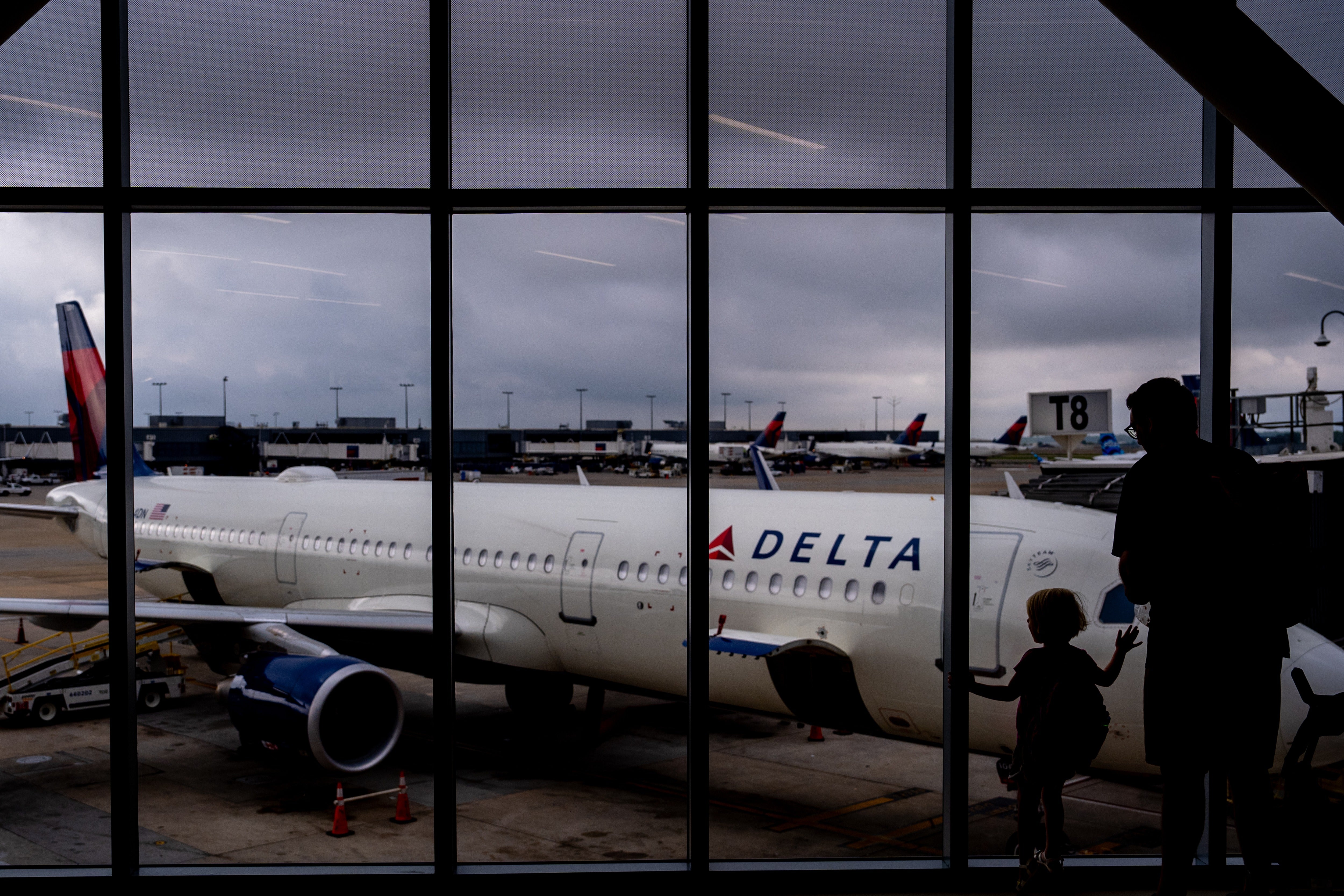
Though humanoid robotics remain rare outside research laboratories and industrial facilities, tech companies continue to invest heavily in the sector. However, the requirement to transport these systems presents practical challenges for academics and engineers.
Ravinder Dahiya, a professor and roboticist at Northeastern University’s College of Engineering, told CBS News that large lithium-ion batteries posed genuine fire hazards if mishandled or damaged, but noted the complications the bans presented for fieldwork.
“When it comes to safety, I’m not opposed to the bans at all. But as a researcher, you desire to carry out your research freely, without hindrance,” Dahiya said, adding that “sometimes you have to take robots along with you for demonstrations.”



